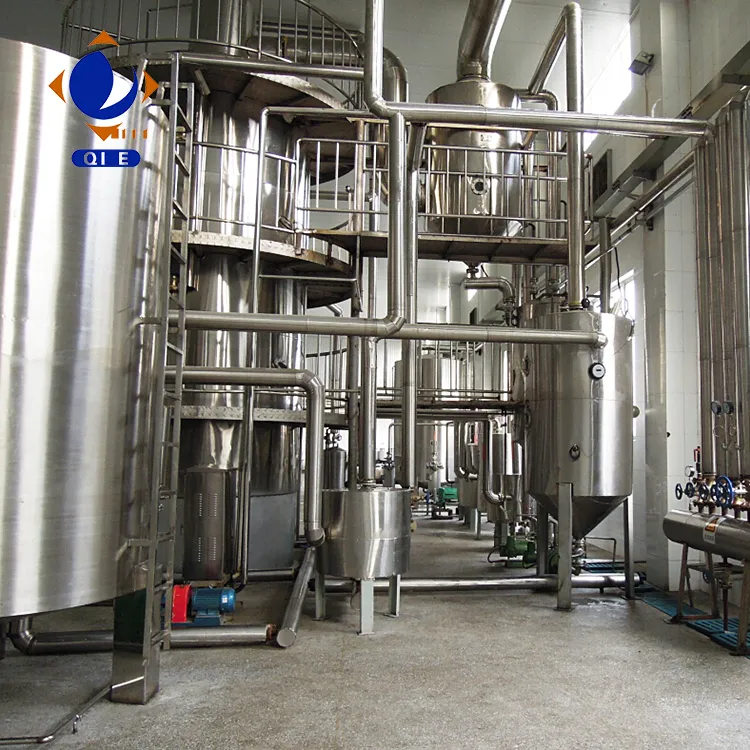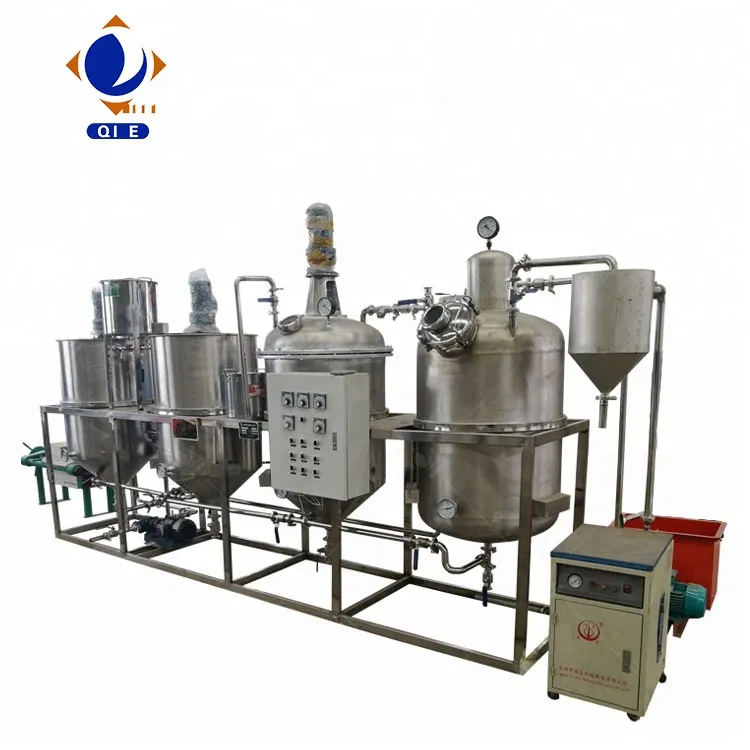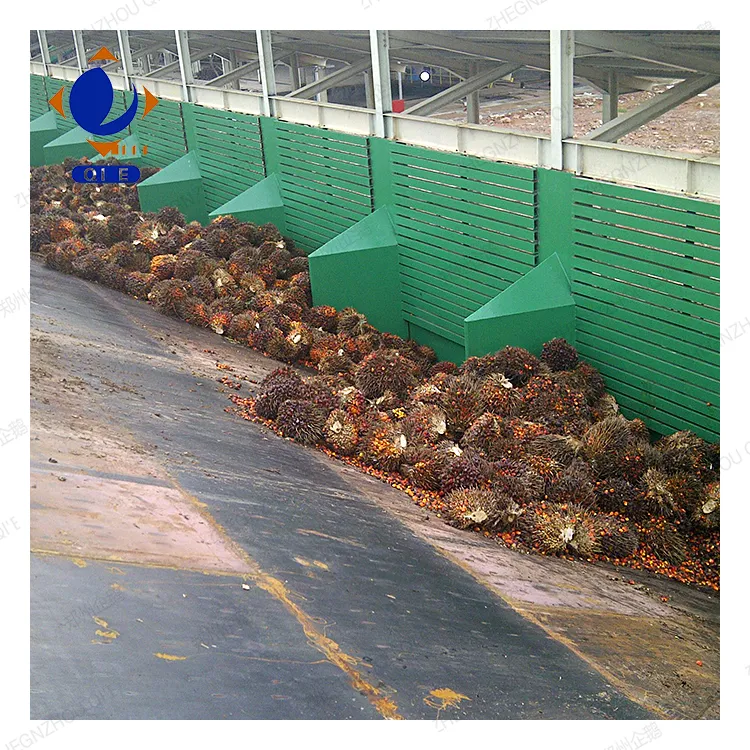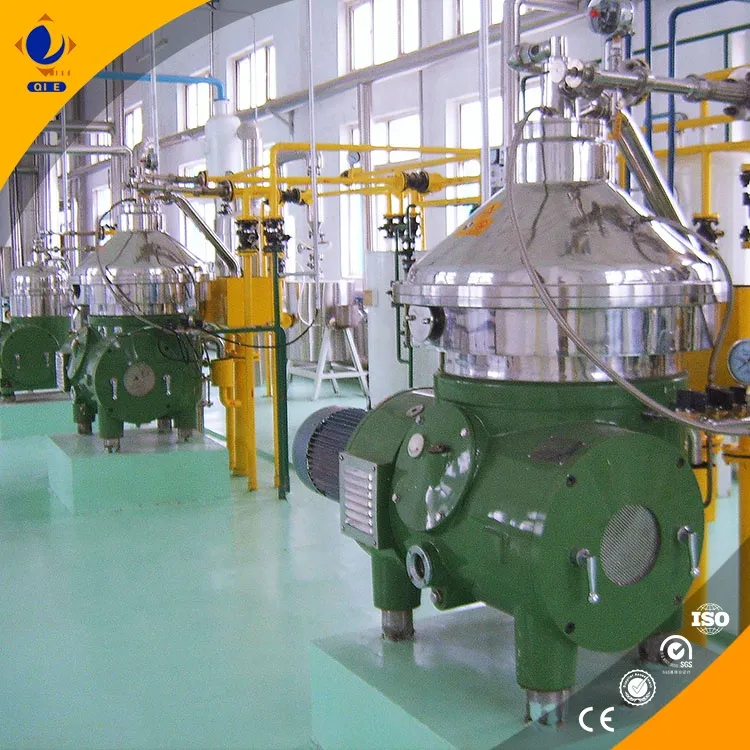
In the competitive palm oil industry, minimizing energy consumption while maximizing output is paramount. Penguin Group’s intelligent palm oil processing production line exemplifies this balance by integrating proprietary patented technologies that deliver both high efficiency and substantial energy savings. This article delves into the critical innovations behind their palm fruit pressing machines, revealing how cutting-edge advancements harmonize to elevate production capacity, boost oil yield, and reduce operational costs.
A standout feature of the Penguin Group's solution is the heat energy recovery system, designed to capture residual thermal energy from the pressing process and reutilize it effectively. Conventional palm fruit pressing machines often lose significant heat, leading to unnecessary fuel consumption and increased costs. By implementing an advanced heat exchanger with a closed-loop thermal circuit, this system recycles up to 25% of the waste heat, reducing fuel demand substantially.
The recovered heat supports pre-heating of incoming palm fruits and auxiliary equipment, maintaining an optimized thermal environment. Field data from mid-sized processing plants utilizing Penguin Group’s equipment indicates an average reduction of 18%-22% in overall energy expenditure, confirming the practical efficiency gains conferred by this technology.
The core motor system of palm fruit pressing machines is pivotal to energy consumption. Penguin Group’s intelligent motor control module employs sensor-driven feedback loops and variable frequency drive (VFD) technology to dynamically adjust motor speed and torque aligned with real-time pressing demands.
Unlike fixed-speed motors which waste energy during low-load conditions, this smart module optimizes power draw, leading to up to a 30% reduction in electrical energy usage. Precision control not only avoids excessive exertion on mechanical components but also stabilizes the pressing process, contributing to improved output consistency.

The pressing chamber design is fundamental to oil extraction efficiency. Penguin Group’s R&D team has engineered an optimized pressing chamber with improved geometry, employing a refined screw press mechanism that minimizes friction and maximizes oil expulsion.
This design innovation directly correlates with enhanced oil yields, with measured improvements ranging from 8% to 12% higher compared to traditional chambers. Additionally, by reducing mechanical resistance, the optimized chamber reduces motor load, complementing energy-saving strategies.
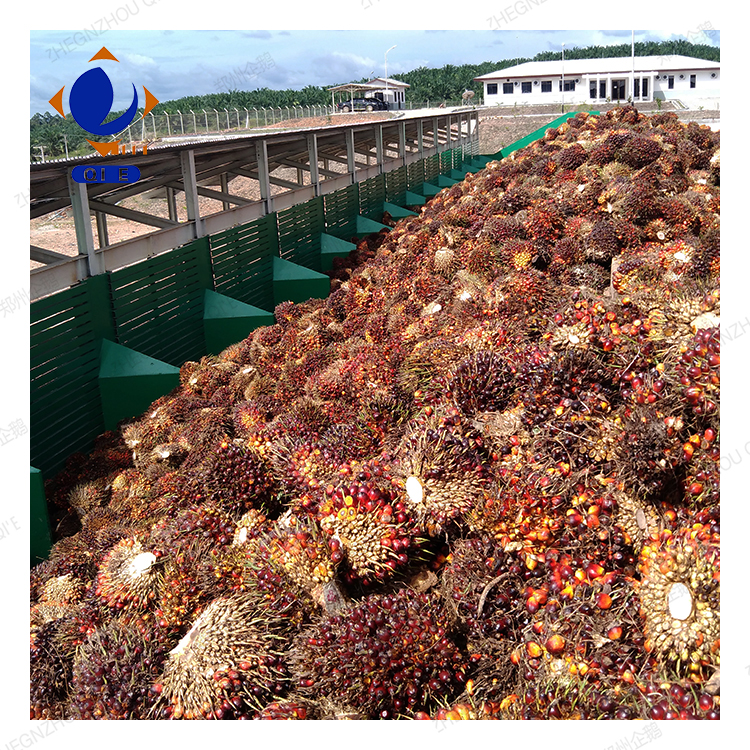
Beyond mechanical and thermal advances, the automated control system serves as the operational backbone. Penguin Group integrates a comprehensive PLC-based automation platform with remote monitoring capabilities, minimizing the need for manual adjustments and reducing human inclusion errors that often cause inefficiencies or equipment downtime.
Real-time data acquisition and intelligent alarms allow for proactive maintenance and optimization, sustaining stable throughput over extended periods. For small to medium enterprises, this translates to consistent product quality and significant reduction of unscheduled downtime by 20%-25%.
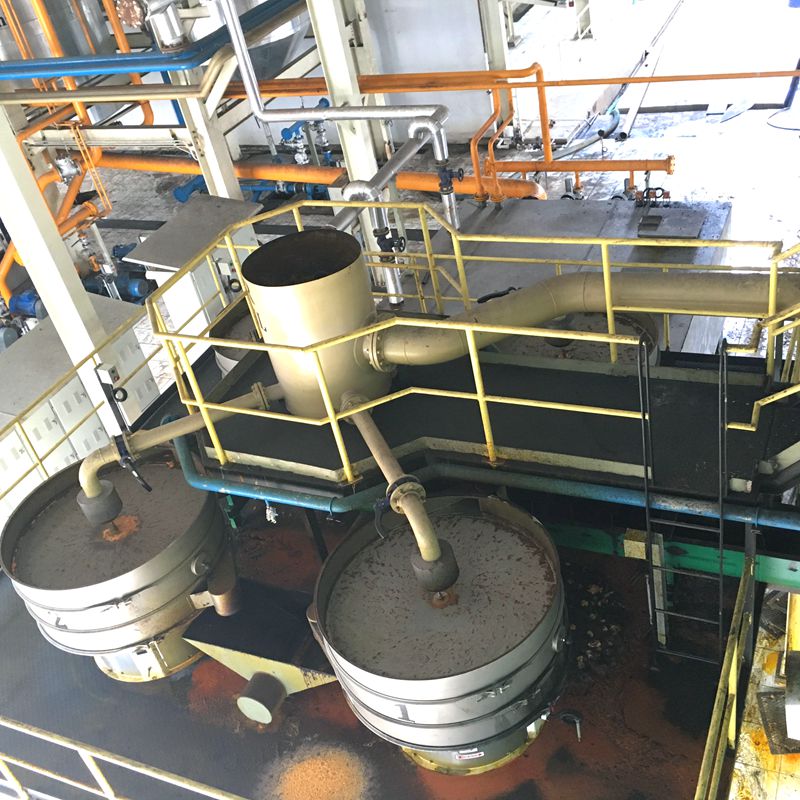
A representative mid-scale enterprise employing Penguin Group’s intelligent palm oil processing line reported remarkable results within the first 12 months of implementation:
These quantifiable benefits highlight the tangible return on investment achievable with integrated energy-saving technologies, reinforcing the Penguin Group’s position as an innovative leader in the palm oil machinery sector.
 small-scale edible oil refining equipment
high-temperature humid environment operation
automated control system
spiral pressing technology
ISO9001 food safety standards
small-scale palm kernel oil refining equipment
energy-efficient edible oil refining
automated control system
ISO food safety standards
edible oil production in emerging markets
cold press palm oil refining
hot press palm oil extraction
palm oil quality stability
small oil mill optimization
palm oil refining process
PLC automation for palm oil mills
small-scale oil refining automation
Nigerian agro-processing technology
automated palm oil production
oil refining process optimization
palm oil refining
cold press vs hot press
oil yield optimization
palm oil quality improvement
small scale oil processing
small-scale edible oil refining equipment
high-temperature humid environment operation
automated control system
spiral pressing technology
ISO9001 food safety standards
small-scale palm kernel oil refining equipment
energy-efficient edible oil refining
automated control system
ISO food safety standards
edible oil production in emerging markets
cold press palm oil refining
hot press palm oil extraction
palm oil quality stability
small oil mill optimization
palm oil refining process
PLC automation for palm oil mills
small-scale oil refining automation
Nigerian agro-processing technology
automated palm oil production
oil refining process optimization
palm oil refining
cold press vs hot press
oil yield optimization
palm oil quality improvement
small scale oil processing


.png?x-oss-process=image/resize,h_100,m_lfit/format,webp)
.png?x-oss-process=image/resize,h_100,m_lfit/format,webp)
.png?x-oss-process=image/resize,h_100,m_lfit/format,webp)