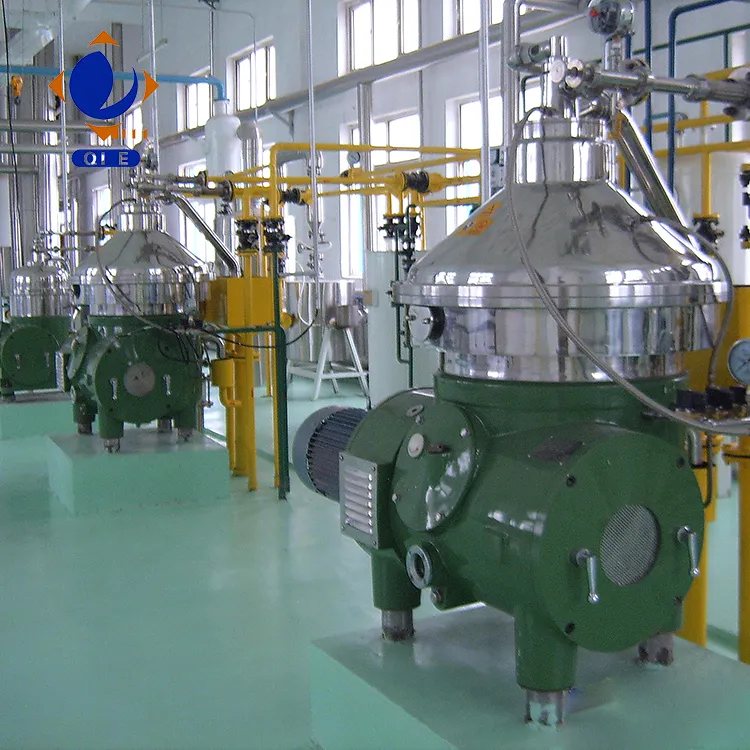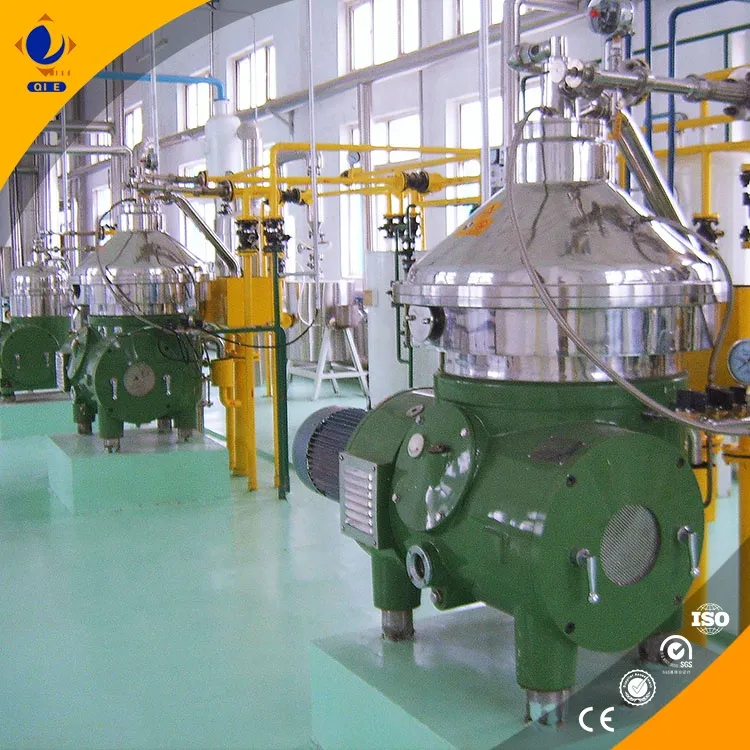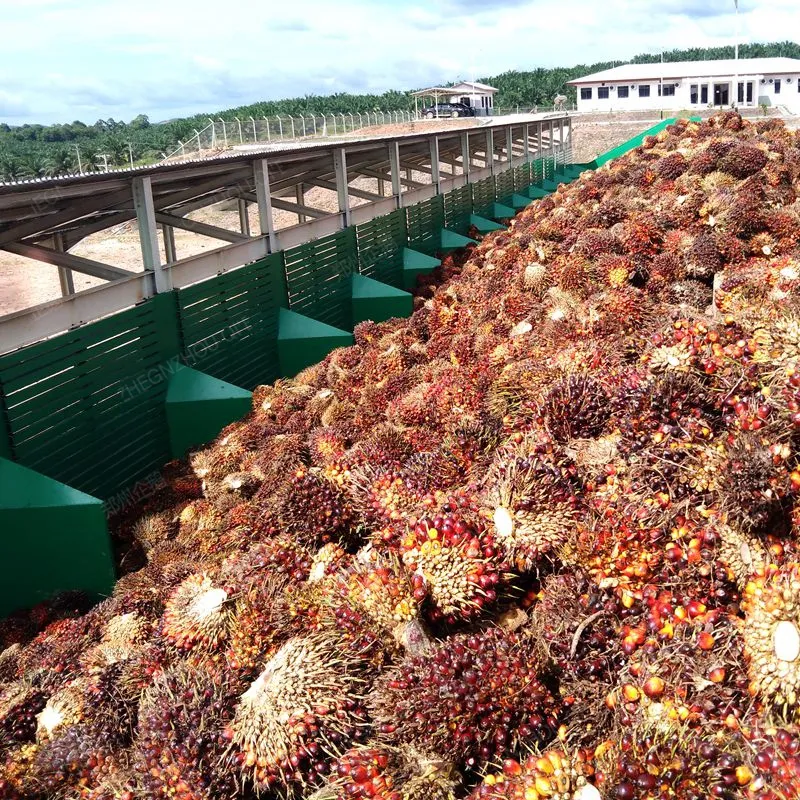
Small to medium-sized palm oil producers face unique challenges in balancing product quality, yield, and operational safety. Modernization through automation becomes essential to meet market demand and stay competitive. This article explores the practical application of high-efficiency Programmable Logic Controller (PLC) systems in mini palm oil refining equipment, focusing on intelligent process control, critical parameter management, and essential maintenance tactics. By advancing automation and operational precision, processors can significantly elevate production intelligence while reducing downtime and errors.
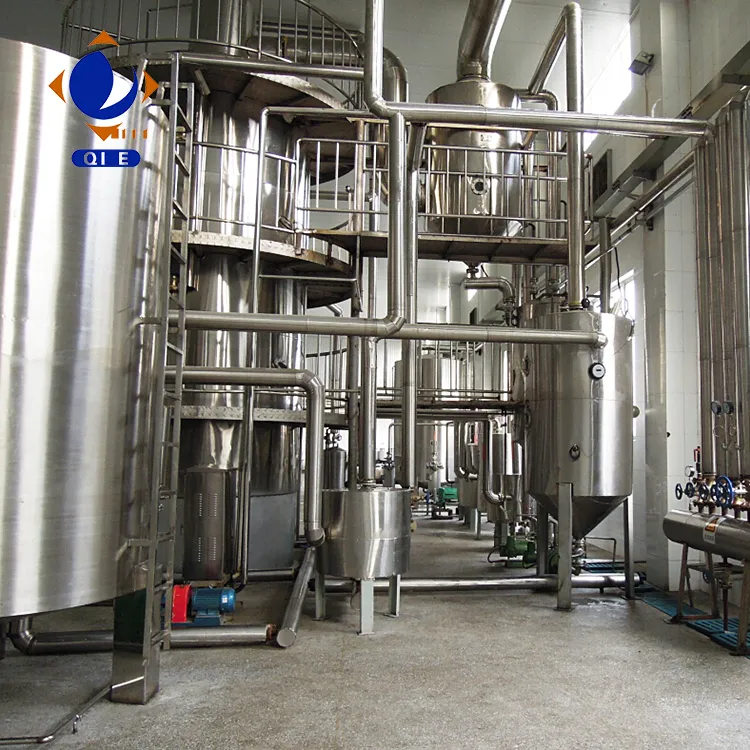
Palm oil refining involves five main steps: pre-treatment, degumming, neutralization, bleaching, and deodorization. Each step critically affects both the production efficiency and the final oil quality. Precise control of temperature, pressure, and processing time governs chemical reactions and physical separations essential for removing impurities and undesirable compounds.
| Refining Stage | Critical Parameters | Recommended Range | Impact |
|---|---|---|---|
| Pre-treatment | Temperature, agitation time | 50-60°C, 20-30 min | Improves oil separation efficiency |
| Degumming | Water ratio, temperature, mixing time | 3-5%, 70-75°C, 30-40 min | Removes phospholipids, improves clarity |
| Neutralization (Deacidification) | Caustic concentration, temperature | 2-3% NaOH, 70-80°C | Reduces free fatty acids, enhances shelf life |
| Bleaching | Adsorbent dosage, temperature, vacuum level | 1-2%, 90-110°C, 650-750 mmHg | Removes pigments, heavy metals for color improvement |
| Deodorization | Temperature, vacuum time | 220-250°C, 60-90 min | Eliminates odors, refines taste |
PLC control systems enable automated monitoring and adjustment of critical operational parameters throughout the refining process. Their programmable nature allows setup for temperature regulation, pressure control, timing sequences, and emergency safety protocols. Integration of sensors and actuators ensures real-time feedback loops, minimizing human error while improving throughput consistency.
Key advantages of employing a high-efficiency PLC system in palm oil refining include:
A leading mini palm oil production plant saw a reduction in downtime by 30% after implementing a PLC control system for its refining line. Precise temperature controls at each stage optimized the degumming and deodorization efficiency, boosting overall product quality.
Despite automation, operators new to PLC systems may encounter frequent issues such as sensor calibration drift, actuator response delays, or software misconfigurations. Awareness of common pitfalls and prompt corrective actions are vital:
| Issue | Symptoms | Recommended Solution |
|---|---|---|
| Temperature Sensor Drift | Inconsistent temperature readings causing over/under processing | Regular sensor recalibration every 30 days; install redundancy sensors |
| Delayed Actuator Response | Slow valve or pump actuation leading to parameter deviation | Routine actuator maintenance; verify wiring and firmware updates |
| Software Configuration Errors | Unexpected stops or parameter conflicts | Perform detailed software audits quarterly; involve trained technicians |
Maintaining PLC-controlled refining systems encompasses both mechanical upkeep and control system integrity. Key recommendations include:
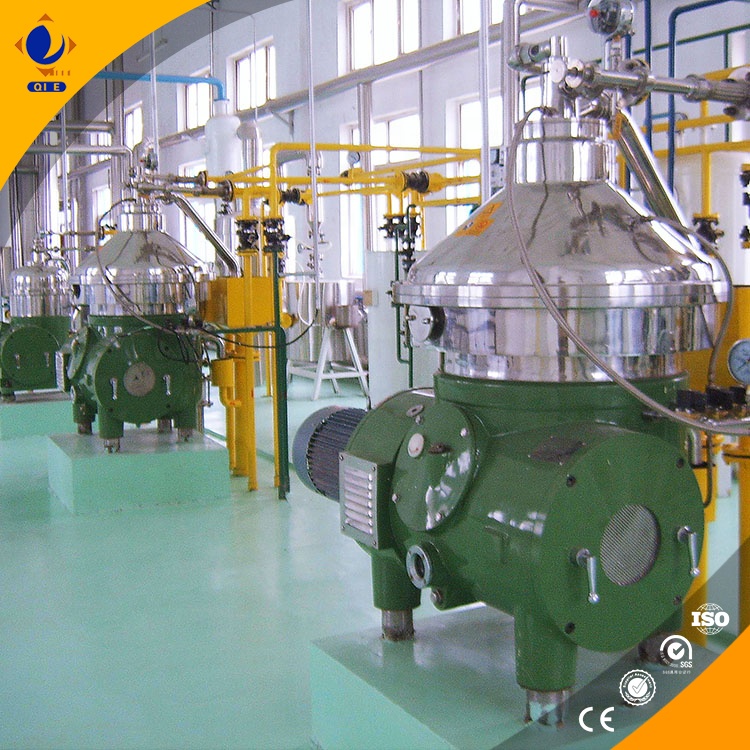
Investing in advanced PLC solutions tailored to mini-scale palm oil equipment enables producers to leapfrog operational inefficiencies while safeguarding product integrity. The convergence of precise parameter control, automated safety protocols, and structured maintenance routines forms the backbone of a smart refining infrastructure.
For entrepreneurs and new operators, mastering the intricacies of palm oil refining is simplified by visual aids. Integration of flowcharts, step-by-step video tutorials, and annotated sensor data dashboards can shorten the learning curve and reduce errors substantially. Providing such resources alongside the PLC system accelerates operational autonomy and boosts confidence among production teams.
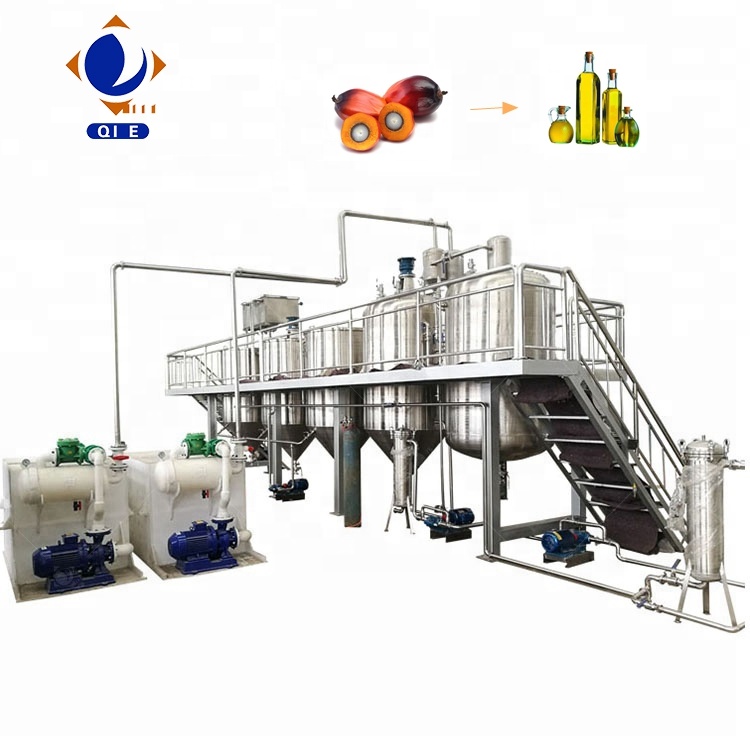
 Economical palm oil refining machine
Palm oil refining process
Small - scale palm oil production line
Refining equipment maintenance
Operation of grain and oil processing equipment
Small - scale palm oil refining production line
PLC control system
Equipment stability enhancement
Economical grain and oil equipment
Full - process automation of palm oil
small medium palm oil refining equipment
energy-efficient refining machinery
PLC control systems
energy consumption benchmarks
palm oil equipment selection
small palm oil refining plant
tropical vs temperate palm oil processing
automated palm oil refining system
degumming and bleaching optimization
PLC control in oil refining
small-scale palm oil refining
palm oil processing
palm oil degumming
palm oil deodorization
PLC control system in palm oil
Economical palm oil refining machine
Palm oil refining process
Small - scale palm oil production line
Refining equipment maintenance
Operation of grain and oil processing equipment
Small - scale palm oil refining production line
PLC control system
Equipment stability enhancement
Economical grain and oil equipment
Full - process automation of palm oil
small medium palm oil refining equipment
energy-efficient refining machinery
PLC control systems
energy consumption benchmarks
palm oil equipment selection
small palm oil refining plant
tropical vs temperate palm oil processing
automated palm oil refining system
degumming and bleaching optimization
PLC control in oil refining
small-scale palm oil refining
palm oil processing
palm oil degumming
palm oil deodorization
PLC control system in palm oil


.png?x-oss-process=image/resize,h_100,m_lfit/format,webp)
.png?x-oss-process=image/resize,h_100,m_lfit/format,webp)
.png?x-oss-process=image/resize,h_100,m_lfit/format,webp)