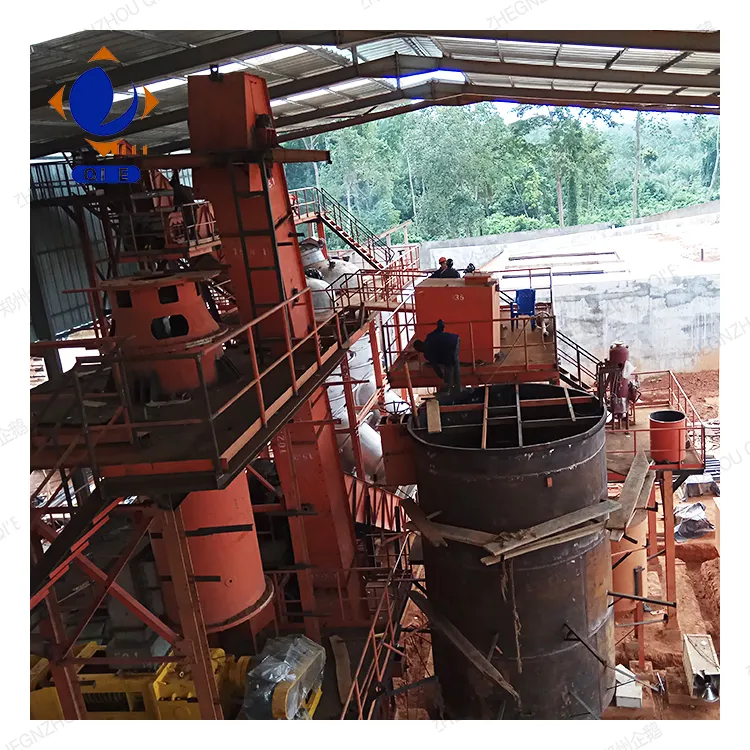
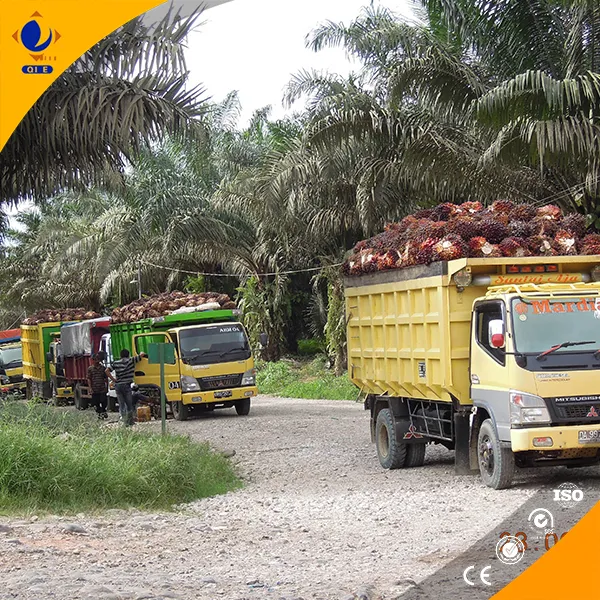
The global demand for refined palm oil continues to surge, driven by industries ranging from food manufacturing to cosmetics. Achieving high-quality palm oil that meets stringent international safety and environmental standards requires sophisticated refining equipment and processes. Employing a dual cold and hot press (冷热压双工艺) approach enhances oil purity, yield, and nutrient retention, optimally serving small to medium-sized palm oil mills worldwide.
The cold press technique processes palm fruit at controlled temperatures below 50℃, preserving sensitive bioactive components such as tocopherols and carotenoids. This ensures a nutritionally richer oil but usually yields less oil volume.
In contrast, the hot press method involves heating the palm fruit up to approximately 90-100℃ before pressing. This increases oil extraction efficiency by 10-15%, facilitating higher throughput for production lines focused on volume.
Integrating these processes allows producers to leverage the nutritional benefits of cold pressing while capturing the enhanced yield of hot pressing, resulting in a refined palm oil that is both nutrient-dense and produced efficiently.
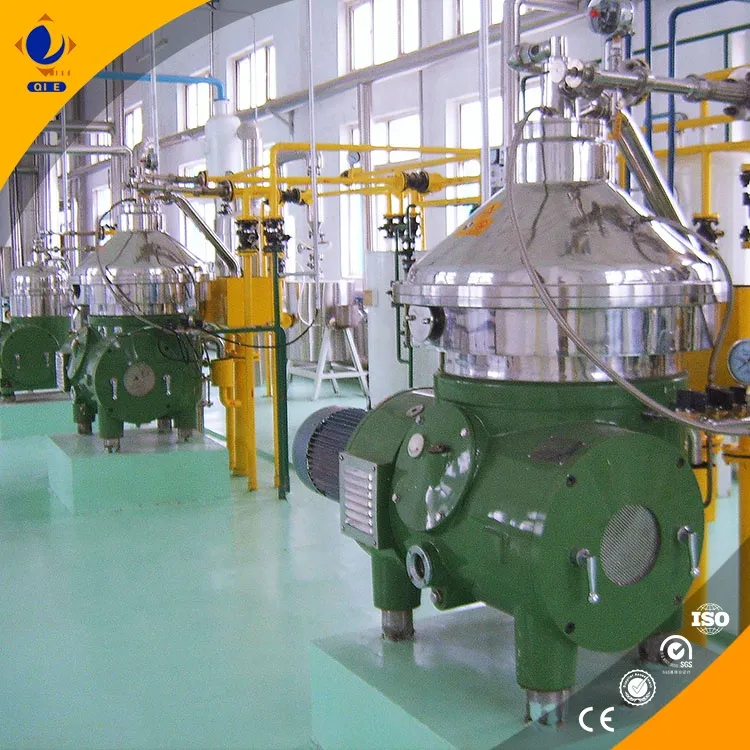
When operated in concert, cold-hot dual pressing improves overall oil purity by ensuring lower free fatty acid (FFA) content—typically achieving levels below 0.2%—and reduces impurities through optimized degumming and bleaching stages.
Moreover, this synergy significantly enhances product stability, extending shelf life by up to 15%, and guarantees compliance with international standards such as ISO 22000 for food safety and RSPO for sustainable palm oil.
For mid-scale operations processing 1-50 tons daily, precise temperature regulation is critical. Maintaining cold press temperatures below 50℃ prevents nutrient degradation, whereas the hot press zone must sustain 90-100℃ to optimize yield without compromising oil quality.
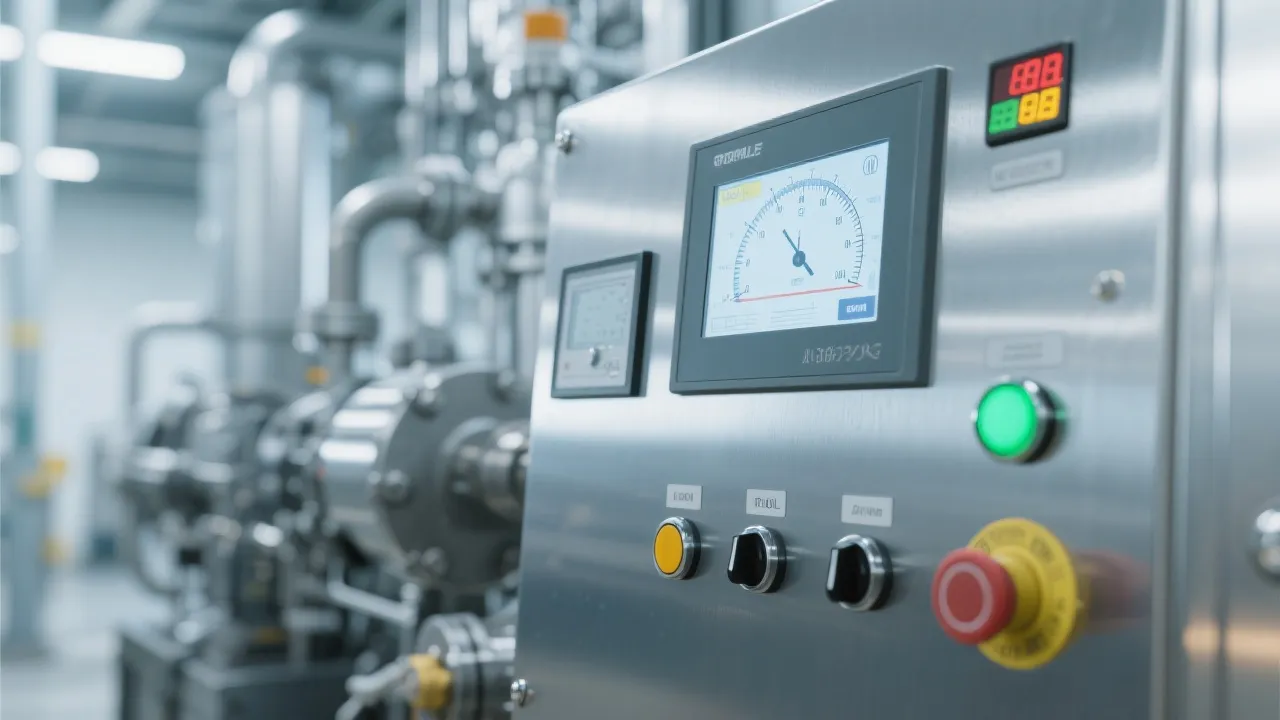
Enhancing degumming efficiency—targeting >98% phospholipid removal—requires controlling water-to-oil ratios and residence times meticulously. The implementation of continuous monitoring sensors integrated with automated control systems minimizes process deviations and equipment downtime.
Furthermore, prompt troubleshooting protocols for common faults such as hydraulic press pressure fluctuations and filter clogging significantly reduce unplanned stoppages, improving asset utilization by up to 12%.
QIE Group’s palm oil refining equipment features state-of-the-art fully automated intelligent control systems. This includes real-time data analytics, temperature and pressure sensors, and adaptive process adjustments that enhance energy efficiency by approximately 18% compared to conventional systems.
In-built energy-saving features and eco-friendly designs lower carbon footprints, aligning with global environmental compliance mandates and promoting green manufacturing practices.
Common challenges include inconsistent oil quality, high maintenance costs, and environmental regulation compliance complexity. The dual cold and hot press solution mitigates these by:
QIE Group’s palm oil refining systems have been successfully deployed across 120+ countries, demonstrating adaptability and robustness in diverse market conditions. Our tailored solutions empower small and mid-scale mills to elevate product quality while optimizing operational costs.
Interested manufacturers and processors are encouraged to explore our high-performance refining technologies that harmonize efficiency, sustainability, and compliance.
 small to medium palm oil refining line
energy-saving technology in palm oil refining
palm oil refining equipment optimization
PLC control system in oil processing
grain and oil processing automation
small-scale palm oil refining line solutions
cost-effective palm oil refining equipment
fully automated palm oil processing line
palm oil machinery for SMEs
integrated palm fruit pressing and refining
Economy palm oil refining machine
Palm oil refining process
Small - scale palm oil production line
Refining machine maintenance skills
Operation of grain and oil machinery
small palm oil refining line
PLC control system
automated palm oil production
economic palm oil equipment
palm oil processing case study
Palm oil refining machine
PLC control system
Small - scale refining production line
Palm oil processing equipment
Equipment maintenance skills
small to medium palm oil refining line
energy-saving technology in palm oil refining
palm oil refining equipment optimization
PLC control system in oil processing
grain and oil processing automation
small-scale palm oil refining line solutions
cost-effective palm oil refining equipment
fully automated palm oil processing line
palm oil machinery for SMEs
integrated palm fruit pressing and refining
Economy palm oil refining machine
Palm oil refining process
Small - scale palm oil production line
Refining machine maintenance skills
Operation of grain and oil machinery
small palm oil refining line
PLC control system
automated palm oil production
economic palm oil equipment
palm oil processing case study
Palm oil refining machine
PLC control system
Small - scale refining production line
Palm oil processing equipment
Equipment maintenance skills






.png?x-oss-process=image/resize,h_100,m_lfit/format,webp)
.png?x-oss-process=image/resize,h_100,m_lfit/format,webp)
.png?x-oss-process=image/resize,h_100,m_lfit/format,webp)