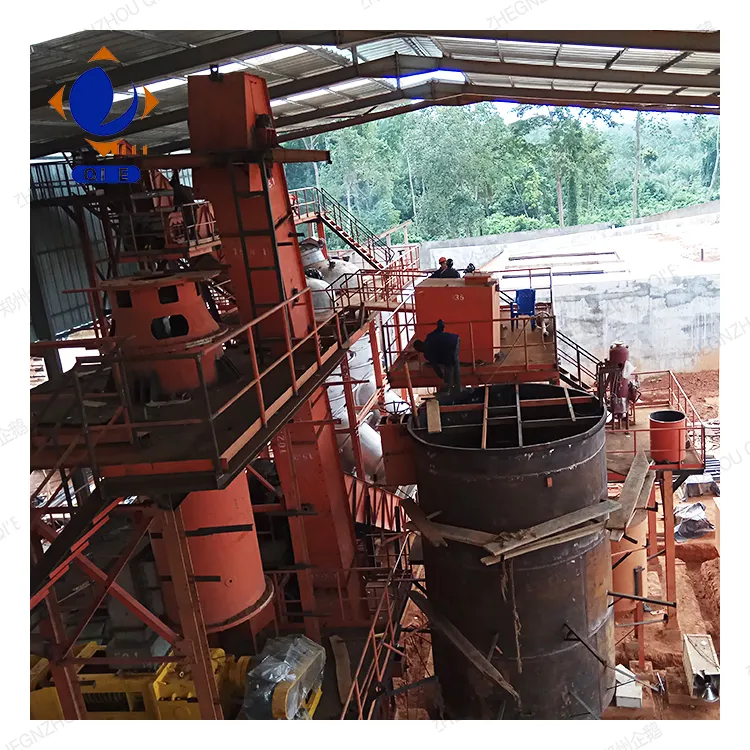
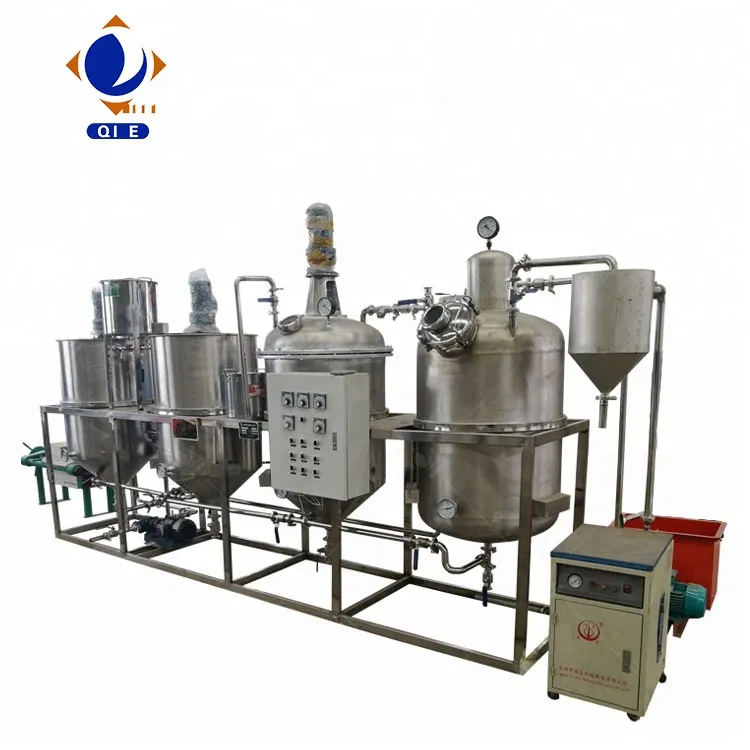
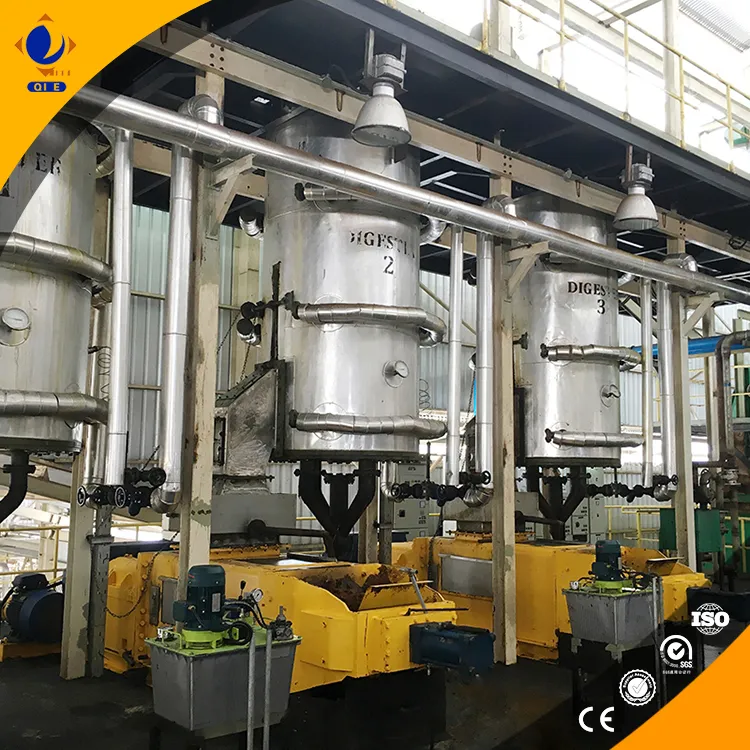
As demand for edible oils surges across Asia, Africa, and South America, emerging market producers face operational and technological challenges that require reliable, cost-effective solutions. QIE Group’s 10-ton-per-day small-scale palm kernel oil refining equipment offers a well-engineered answer, tailored to mid-sized enterprises seeking modernization. Through advanced automation, spiral pressing, and innovative phospholipid extraction technologies, this equipment elevates production efficiency while ensuring compliance with international quality standards such as ISO 9001 and HACCP.
Emerging market food processors often struggle with inconsistent ingredient quality, fluctuating power supply, and limited technical expertise. QIE Group’s equipment addresses these realities by integrating a robust automated control system that maintains stable operations across diverse climate conditions—ranging from humid tropics in Southeast Asia to arid regions in Africa and humidity-variable zones in South America. Designed with modular components and low maintenance requirements, it minimizes downtime and operational costs, increasing annual throughput by approximately 15-20% compared to conventional systems.
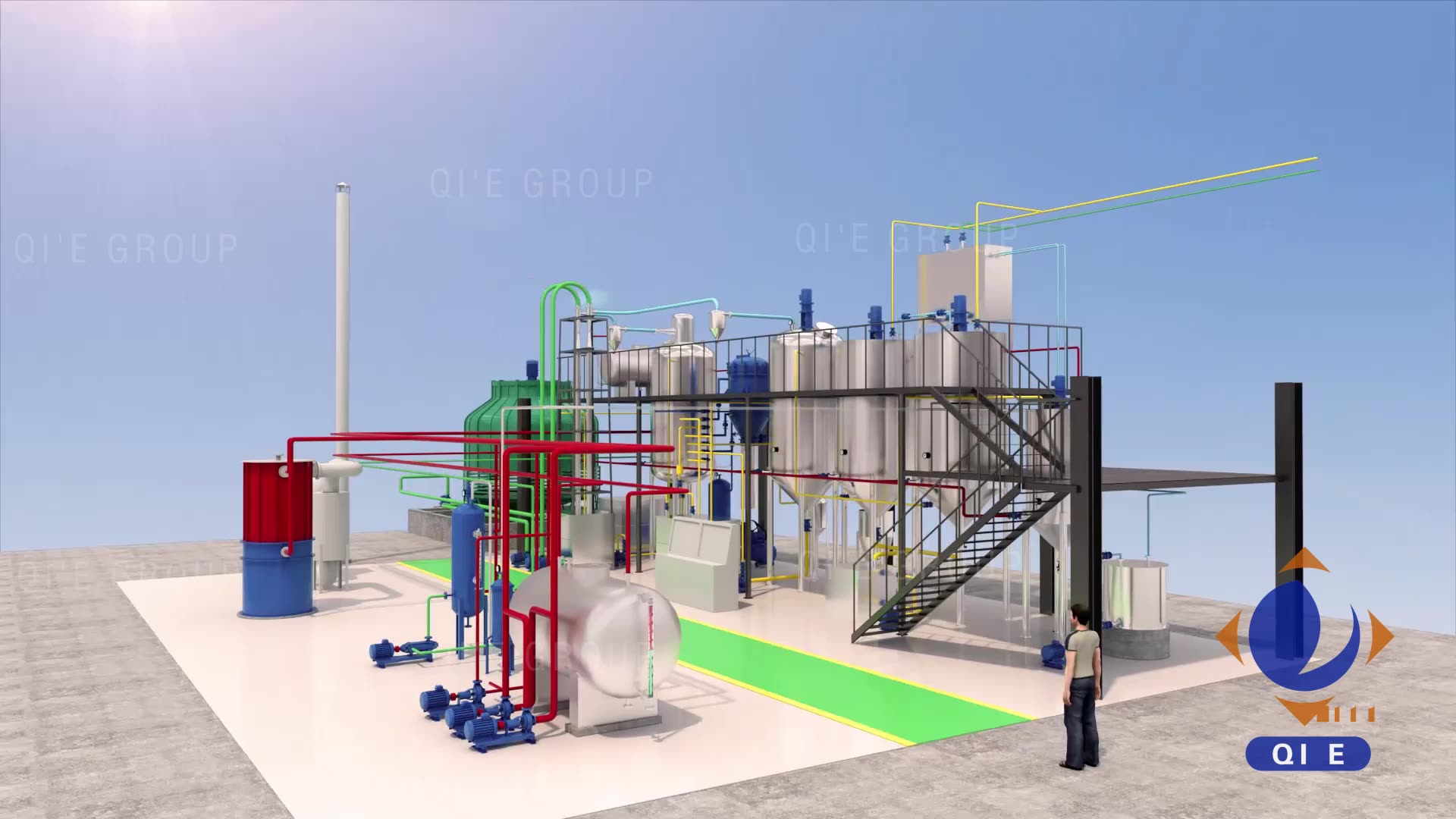
At the heart of the equipment lies a sophisticated spiral pressing mechanism optimized for palm kernel oil extraction, achieving extraction rates exceeding 80%, which surpasses traditional screw presses by 10%. Complementing this is a state-of-the-art phospholipid extraction system that effectively removes impurities, delivering refined oil with free fatty acid contents below 0.2%. These technical innovations ensure that the final product adheres strictly to ISO and HACCP food safety certifications, making it highly competitive on the international stage.
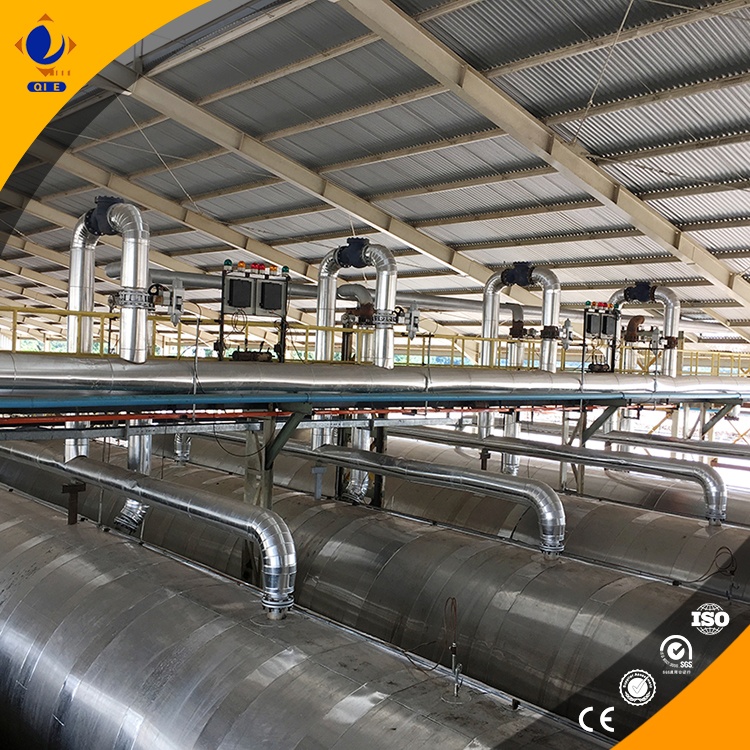
The equipment’s energy consumption averages 0.75 kWh per kilogram of processed oil, representing a 25% reduction compared to similar capacity models. This is achieved through integrated heat recovery systems and optimized power regulation algorithms embedded within the automated control platform. Such energy efficiency directly translates into lower operating expenses and a reduced carbon footprint—an increasingly important criterion for buyers and regulators in global markets.
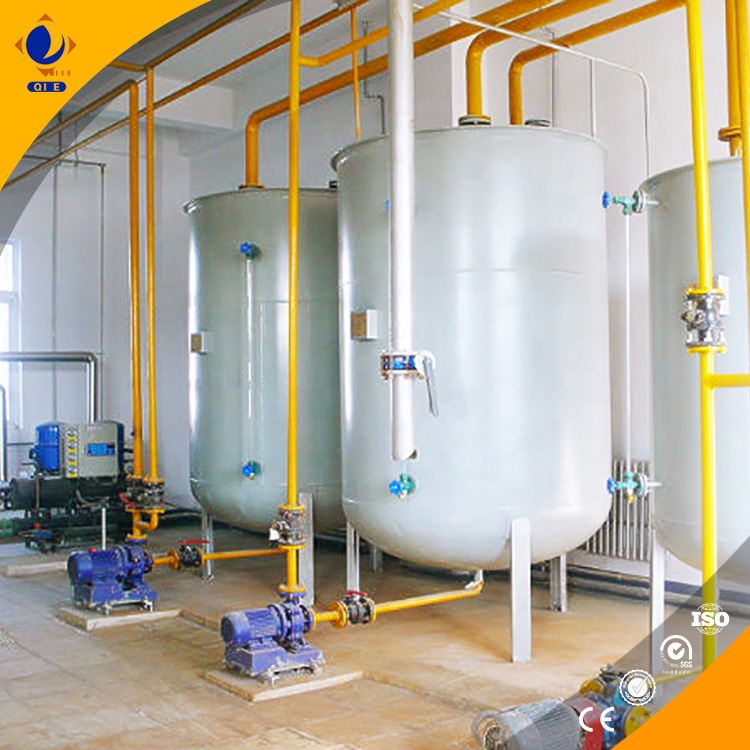
Case studies from pilot installations in Nigeria and Brazil indicate that payback periods can be as short as 18 months due to improved yield, enhanced oil quality, and lower labor costs. Additionally, QIE Group’s comprehensive after-sales support, including remote diagnostics and spare parts supply, ensures sustained uptime and scalability aligned with business growth. Understanding local regulations related to food safety, environmental compliance, and export permits is embedded into the service offering, enabling producers to navigate complex market requirements with confidence.
 small-scale palm oil refining
mini palm oil refining equipment
equipment maintenance and safety
PLC control system
palm oil production process
palm oil refining equipment maintenance
small palm oil refinery operations
daily maintenance for oil processing machines
PLC system care in palm oil plants
extending lifespan of industrial refining equipment
Palm oil refining equipment
PLC automatic control system
Cold and hot pressing processes
Small oil mill automation
Intelligent oil refining
Small-scale palm oil refining process
Palm oil degumming and deacidification process
PLC-controlled refining equipment
Practical guide for small oil mills
Palm oil refining parameter settings
Carbon steel modular refining equipment
Palm oil refining equipment
Equipment selection for SMEs
Energy - efficient palm oil equipment
Advantages of modular design
small-scale palm oil refining
mini palm oil refining equipment
equipment maintenance and safety
PLC control system
palm oil production process
palm oil refining equipment maintenance
small palm oil refinery operations
daily maintenance for oil processing machines
PLC system care in palm oil plants
extending lifespan of industrial refining equipment
Palm oil refining equipment
PLC automatic control system
Cold and hot pressing processes
Small oil mill automation
Intelligent oil refining
Small-scale palm oil refining process
Palm oil degumming and deacidification process
PLC-controlled refining equipment
Practical guide for small oil mills
Palm oil refining parameter settings
Carbon steel modular refining equipment
Palm oil refining equipment
Equipment selection for SMEs
Energy - efficient palm oil equipment
Advantages of modular design


.png?x-oss-process=image/resize,h_100,m_lfit/format,webp)
.png?x-oss-process=image/resize,h_100,m_lfit/format,webp)
.png?x-oss-process=image/resize,h_100,m_lfit/format,webp)