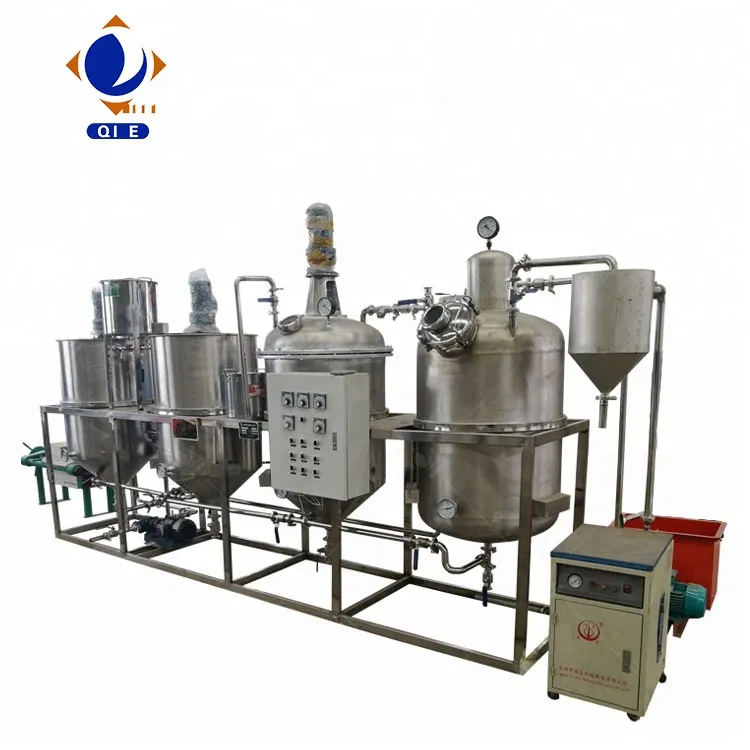
If you're running a small to mid-sized palm oil processing plant, you know the pressure: balancing efficiency, uptime, and cost control—especially when margins are tight. According to industry data from FAO (2023), over 60% of small-scale refiners report production delays due to equipment downtime or improper operation. The good news? With the right approach to operating and maintaining your economic-grade palm oil refining machine, you can boost output by up to 25% while reducing maintenance costs by nearly 40%.
Whether you’re an operator or a manager, understanding this workflow ensures consistent quality and fewer surprises:
This structured process minimizes waste and maximizes yield—a key factor in improving ROI quickly.
| Component | Role | Maintenance Tip |
|---|---|---|
| High-Efficiency Motor | Drives pumps and agitators consistently under load. | Check bearings monthly; clean air vents every 2 weeks. |
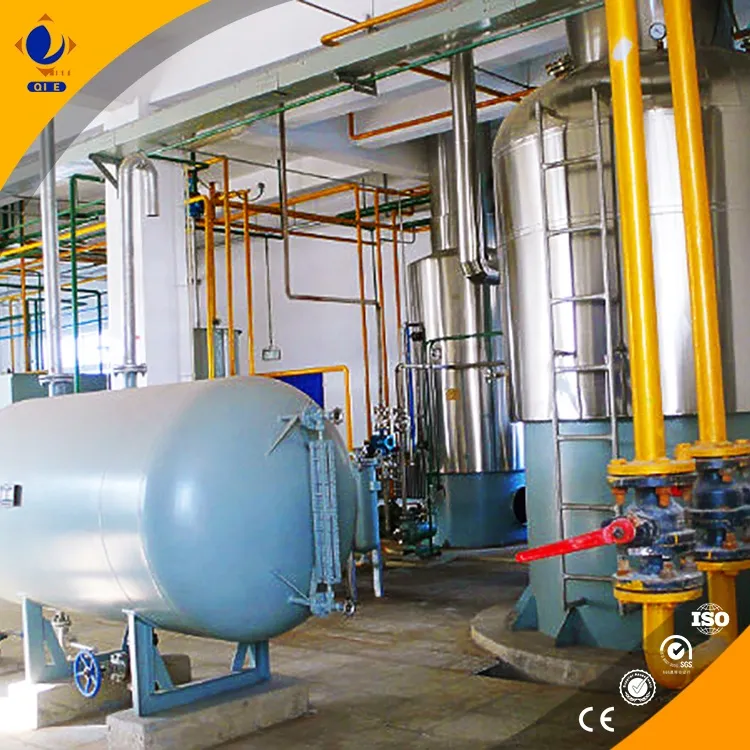
| Pressure Vessel | Holds degumming and neutralization stages safely. | Inspect welds quarterly; test safety valves biannually. |
| PLC Control System | Automates temperature, flow, and timing settings. | Back up programs weekly; update firmware quarterly. |
“We reduced unplanned downtime by 35% after implementing a simple daily checklist based on our machine’s components.” — Mr. Ali Hassan, Plant Manager, Indonesia
A well-maintained system lasts 8–10 years—up to 3x longer than neglected ones. Here’s how:
Pro tip: Keep a digital logbook (like Google Sheets or Excel) to track each task—this helps identify patterns early and prevents recurring issues.
Ready to take control of your palm oil refining process—not just manage it?
 small to medium palm oil refining line
energy-saving technology in palm oil refining
palm oil refining equipment optimization
PLC control system in oil processing
grain and oil processing automation
Palm oil refining production line
Equipment selection guide
Small and medium - sized enterprises
Palm fruit pressing
Process flow analysis
Palm oil refining production line
Palm oil equipment selection
Palm oil process analysis
Small and medium - sized palm oil production lines
Grain and oil processing solutions
palm oil refining process
PLC control system in oil processing
automated oil refining plant
palm oil refining equipment maintenance
industrial automation for edible oil production
palm oil refining machine maintenance
economical oil refining equipment care
PLC system保养 in palm oil processing
pressure vessel inspection checklist
oil refining process optimization
small to medium palm oil refining line
energy-saving technology in palm oil refining
palm oil refining equipment optimization
PLC control system in oil processing
grain and oil processing automation
Palm oil refining production line
Equipment selection guide
Small and medium - sized enterprises
Palm fruit pressing
Process flow analysis
Palm oil refining production line
Palm oil equipment selection
Palm oil process analysis
Small and medium - sized palm oil production lines
Grain and oil processing solutions
palm oil refining process
PLC control system in oil processing
automated oil refining plant
palm oil refining equipment maintenance
industrial automation for edible oil production
palm oil refining machine maintenance
economical oil refining equipment care
PLC system保养 in palm oil processing
pressure vessel inspection checklist
oil refining process optimization





.png?x-oss-process=image/resize,h_100,m_lfit/format,webp)
.png?x-oss-process=image/resize,h_100,m_lfit/format,webp)
.png?x-oss-process=image/resize,h_100,m_lfit/format,webp)