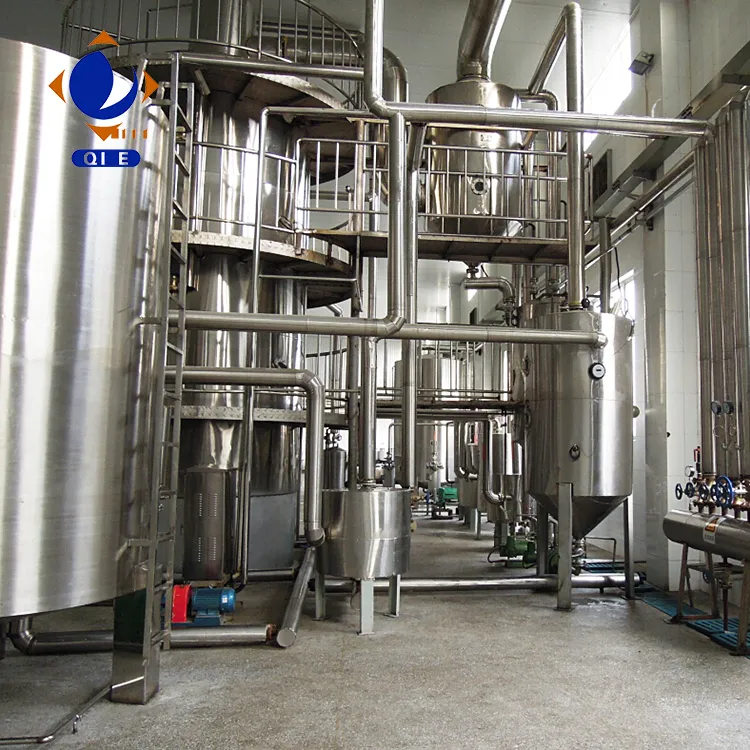
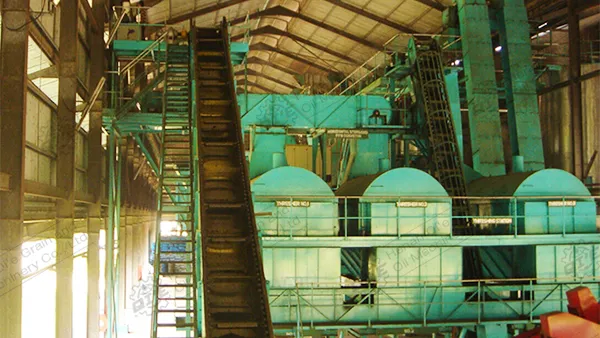
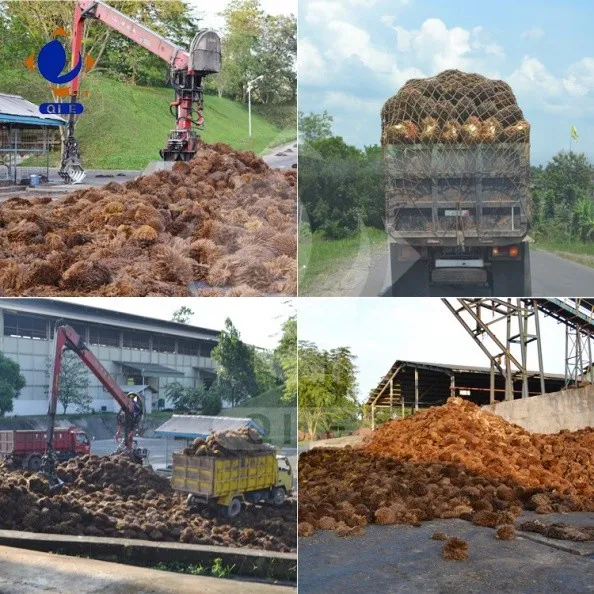
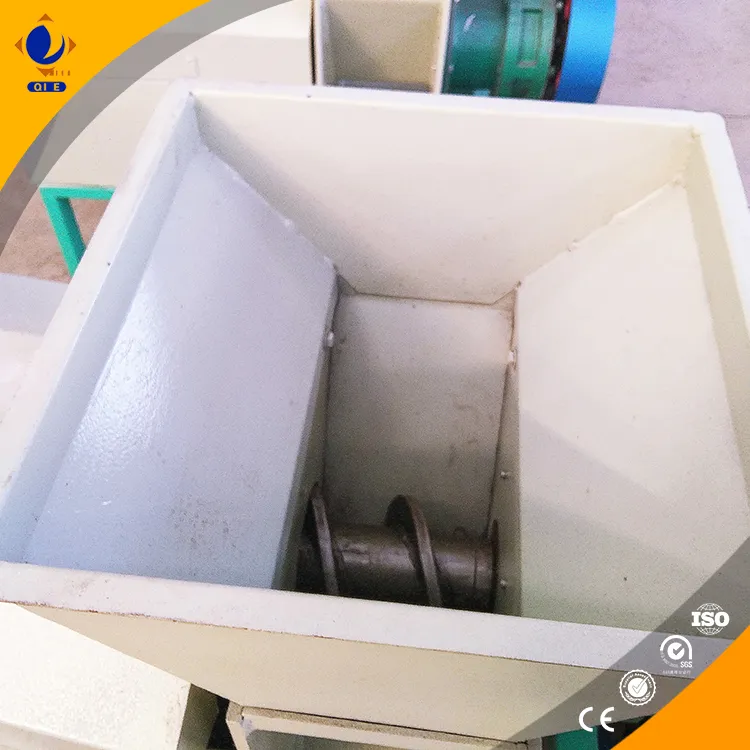
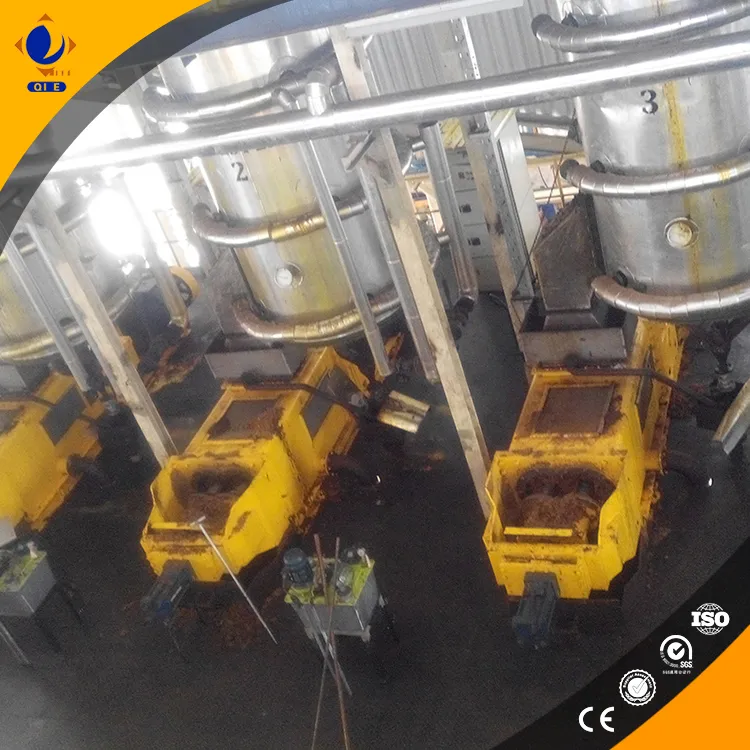
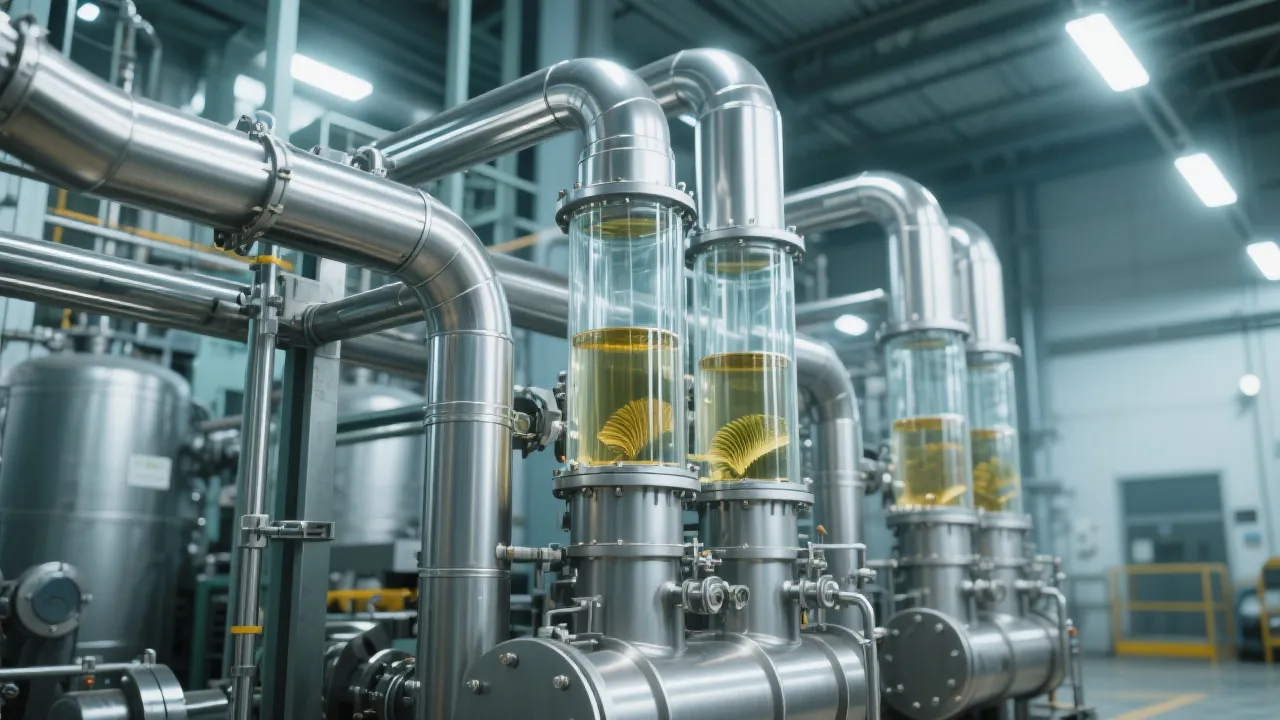
For small to mid-sized palm oil processors in emerging markets, operational efficiency isn’t just a goal—it’s a survival strategy. With global demand rising and margins tightening, investing in reliable, easy-to-maintain refining equipment is no longer optional. This article breaks down the standard operating procedures (SOPs) and maintenance best practices for economic-grade palm oil refiners—designed specifically for real-world conditions.
According to a 2023 study by the International Palm Oil Council, over 60% of SMEs report downtime due to improper startup or mismanagement during the first hour of operation. Here's how to avoid it:
| Component | Maintenance Frequency | Key Metric |
|---|---|---|
| Motor Bearing | Weekly | Vibration amplitude < 2 mm/s |
| Pressure Vessel | Monthly | Wall thickness ≥ 8mm (ultrasonic testing) |
| PLC System | Quarterly | No error codes logged in last 30 days |
Operators who follow this schedule report an average reduction of 35% in unplanned stoppages—a finding supported by data from Indonesia’s Ministry of Industry (2022). Regular cleaning of heat exchangers and calibration of flow meters also extend component life by up to 40%, per case studies from Malaysia-based refineries.
Here are three issues most frequently reported by users—and their solutions:
These steps aren’t just technical—they build confidence. When operators feel empowered with knowledge, they reduce errors and increase uptime. In fact, one Nigerian processor saw a 27% productivity gain after implementing structured training based on these protocols.
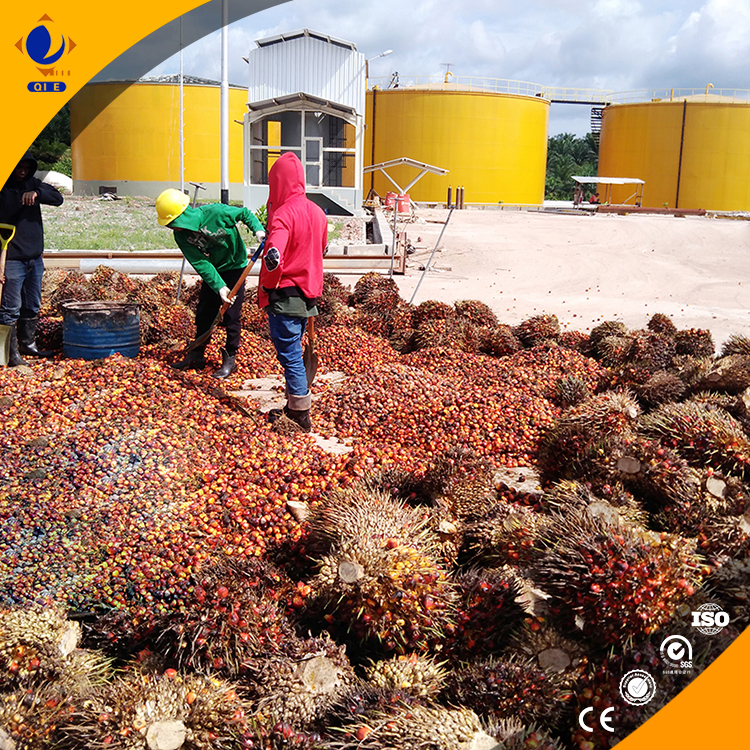
Whether you're managing daily operations or planning long-term upgrades, mastering your equipment’s rhythm is the foundation of sustainable growth. Don’t wait for breakdowns to learn what works—start today with smarter processes, better habits, and more predictable outcomes.
Ready to upgrade your palm oil refining workflow? Discover the proven solution trusted by 500+ SMEs worldwide — built for performance, designed for simplicity.
 palm oil refining process
small scale palm oil production
palm oil refining equipment
palm oil deodorization
palm oil quality optimization
crude palm oil refining automation
energy-efficient palm oil processing
CE certified oil refining equipment
sustainable palm oil production
palm oil plant optimization
palm oil refining production line
palm fruit pressing
oil quality improvement
equipment selection guide
small and medium palm oil processing
palm oil refining line
small palm oil processing equipment
palm oil deodorization technology
oil refining process optimization
edible oil refining equipment
Palm oil refining production line
Palm fruit pressing
Refining deodorization process
Equipment selection for small and medium - sized enterprises
Grain and oil machinery equipment
palm oil refining process
small scale palm oil production
palm oil refining equipment
palm oil deodorization
palm oil quality optimization
crude palm oil refining automation
energy-efficient palm oil processing
CE certified oil refining equipment
sustainable palm oil production
palm oil plant optimization
palm oil refining production line
palm fruit pressing
oil quality improvement
equipment selection guide
small and medium palm oil processing
palm oil refining line
small palm oil processing equipment
palm oil deodorization technology
oil refining process optimization
edible oil refining equipment
Palm oil refining production line
Palm fruit pressing
Refining deodorization process
Equipment selection for small and medium - sized enterprises
Grain and oil machinery equipment


.png?x-oss-process=image/resize,h_100,m_lfit/format,webp)
.png?x-oss-process=image/resize,h_100,m_lfit/format,webp)
.png?x-oss-process=image/resize,h_100,m_lfit/format,webp)