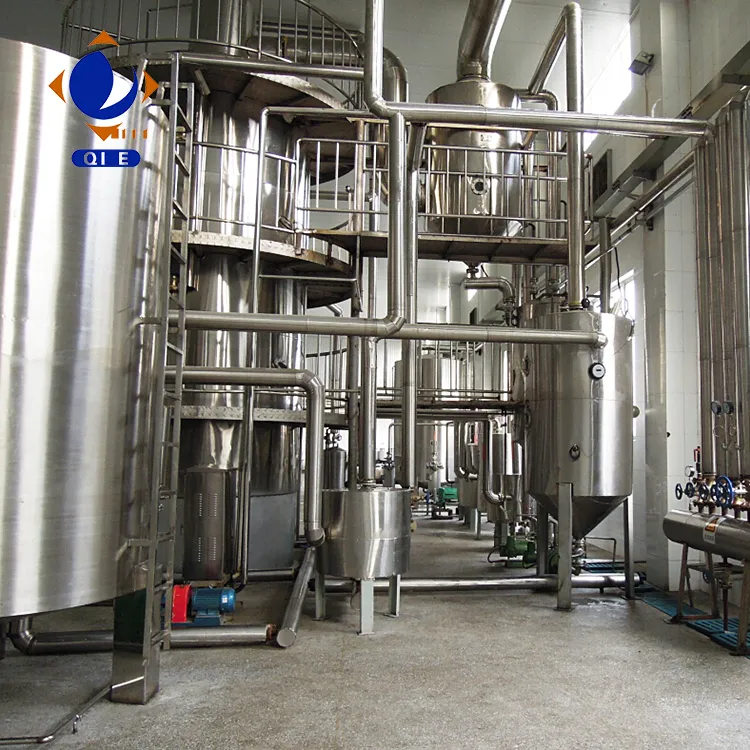
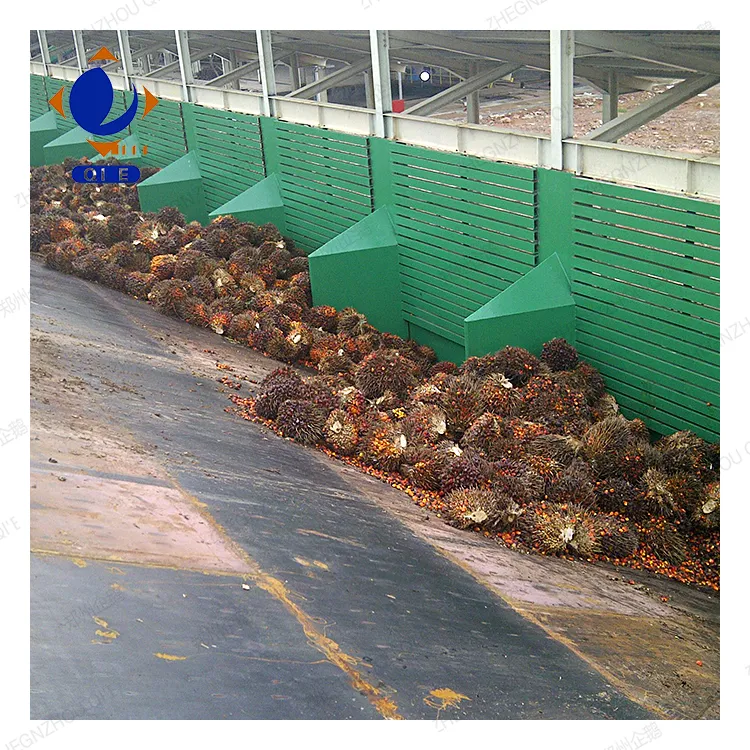
Purchasing oil press machines and edible oil production lines requires careful consideration to ensure project success and long-term operational efficiency. Qi'e Grain and Oil Machinery Co., Ltd., a leading expert in grain and oil machinery, highlights eight frequently overlooked issues that B2B buyers must address before making procurement decisions. This guidance is designed to help you navigate equipment compatibility, capacity requirements, installation complexity, and after-sales support, reducing risks in your oil processing investment.
Different oil press models and production lines are optimized for specific seeds and raw materials, such as palm kernel, soybean, sunflower, or other oilseeds. Overlooking this can lead to suboptimal extraction rates and lower oil quality. It is essential to select equipment that matches the physical and chemical characteristics of your input materials to ensure efficient processing.
One common mistake is underestimating production capacity or neglecting future scalability. Confirm that the chosen oil press machine and production line align with your current and projected output volumes. Modular designs can provide flexibility for expansion without major disruptions.
Proper site evaluation and preparation is critical yet often ignored. Consider floor strength, ventilation, electrical supply, and space layout to accommodate the equipment and workflow. Early collaboration with the supplier can streamline installation and commissioning phases.
Suppliers’ claims regarding efficiency and oil yield should be supported by verifiable data or references. Engage in due diligence by requesting sample performance reports and possibly on-site demonstrations to avoid procurement of underperforming equipment.
Long-term operational reliability depends heavily on after-sales service. Check if the manufacturer offers comprehensive technical support, availability of spare parts, and training for your operational team. Reliable after-sales service mitigates downtime and protects your investment.
Ensure that the equipment complies with local and international environmental regulations, including emission controls and noise limits. Safety features should also meet industry standards to protect operators and minimize workplace risks.
Beyond the initial purchase price, analyze operational costs, including energy consumption, maintenance, and consumables. A cost-benefit analysis helps identify solutions that are economically sustainable throughout the equipment lifecycle.
For facilities upgrading or expanding, compatibility with current production lines and automation systems is crucial. Coordinate with equipment providers to ensure seamless integration, avoiding operational disruptions and additional customization costs.
At Qi'e Grain and Oil Machinery Co., Ltd., we bring decades of industry experience delivering sophisticated oil pressing and edible oil production solutions tailored to clients’ specific needs. Our commitment to technology innovation, quality excellence, and comprehensive service ensures that your procurement decisions lead to efficient operations and sustainable growth in the competitive grain and oil sector.
 Qi'e Grain and Oil Machinery
grain and oil machinery equipment
oil pressing machinery
oil production equipment
edible oil refining
palm kernel oil extraction equipment operation
fully automatic palm kernel oil refining system
PLC control in oil processing
unattended oil extraction equipment
solvent consumption optimization
Qi'e Grain and Oil Machinery
grain and oil machinery trends
high efficiency energy-saving
automation control
environmental protection equipment
Qi'e Grain and Oil Machinery
grain and oil machinery
complete solutions
production line equipment
turnkey plant
palm kernel oil processing
PLC automation system
energy-saving refining equipment
residual oil reduction
solvent consumption optimization
Qi'e Grain and Oil Machinery
grain and oil machinery equipment
oil pressing machinery
oil production equipment
edible oil refining
palm kernel oil extraction equipment operation
fully automatic palm kernel oil refining system
PLC control in oil processing
unattended oil extraction equipment
solvent consumption optimization
Qi'e Grain and Oil Machinery
grain and oil machinery trends
high efficiency energy-saving
automation control
environmental protection equipment
Qi'e Grain and Oil Machinery
grain and oil machinery
complete solutions
production line equipment
turnkey plant
palm kernel oil processing
PLC automation system
energy-saving refining equipment
residual oil reduction
solvent consumption optimization


.png?x-oss-process=image/resize,h_100,m_lfit/format,webp)
.png?x-oss-process=image/resize,h_100,m_lfit/format,webp)
.png?x-oss-process=image/resize,h_100,m_lfit/format,webp)