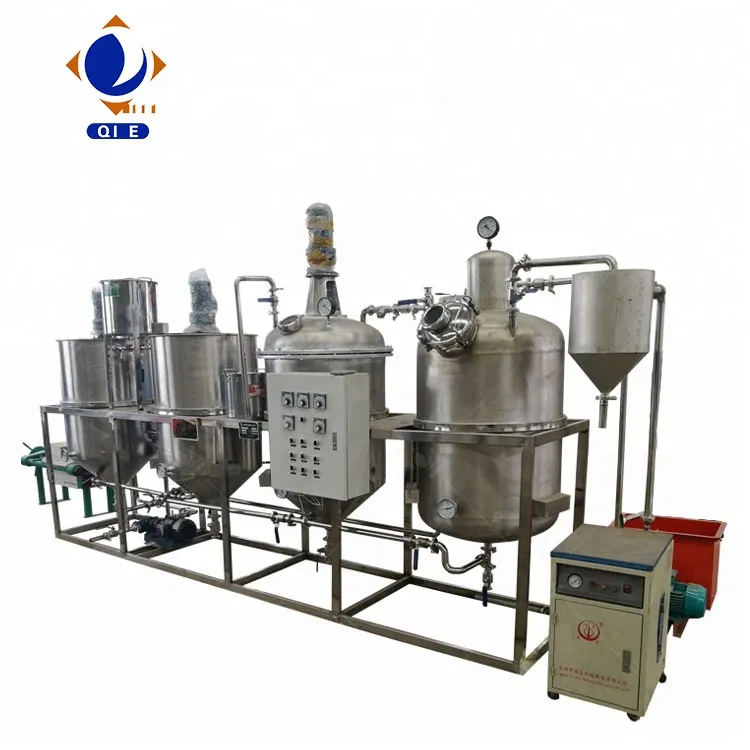
For small to medium-sized palm oil refineries, maximizing extraction efficiency while minimizing energy consumption remains a core challenge. Traditional single-process methods often result in lower yields—typically between 78%–82%—and inconsistent quality due to poor temperature control during pressing. By adopting a dual cold-hot press system, operators can boost yield by up to 10%, reduce specific energy consumption by 15–20%, and significantly improve product consistency.
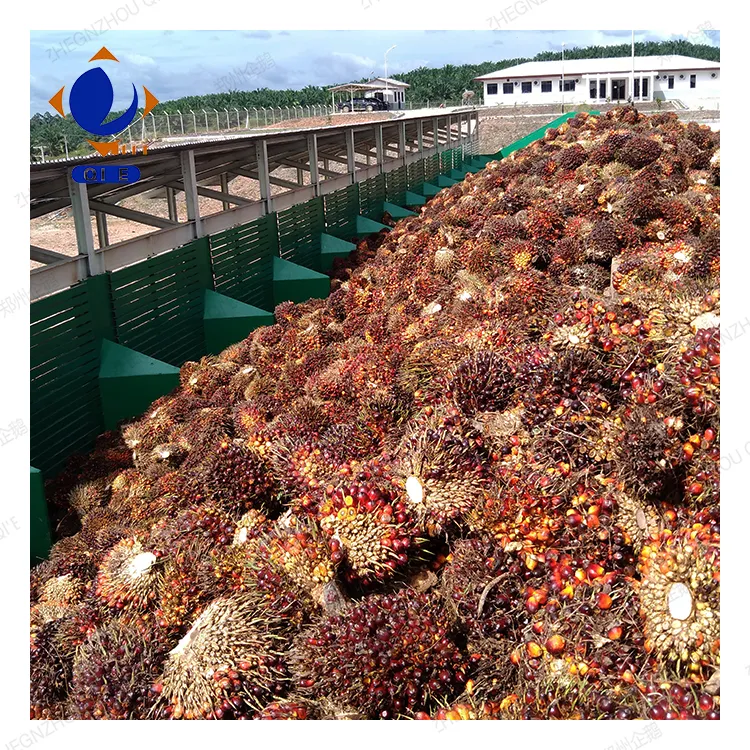
Cold pressing (typically at 40–50°C) preserves natural antioxidants like tocopherols, which enhance shelf life and meet international standards such as ISO 5555 and RSPO certification. However, it extracts only about 75–80% of the oil from fresh fruit bunches (FFB). In contrast, hot pressing (80–90°C) increases yield to 85–90% but risks degrading heat-sensitive compounds if not carefully managed.
“A well-tuned cold-hot sequence can increase total yield by 8–12% compared to conventional single-step processing, according to a 2023 study by the Malaysian Palm Oil Board.”
The real value lies in optimizing three critical parameters:
Operators who monitor these variables daily report fewer fluctuations in viscosity and acidity levels—a major concern for buyers targeting EU and North American markets.
Many small refiners face issues like uneven pressure distribution or high water content in the final oil. Here’s how to address them:
These adjustments are not just theoretical—they’ve been validated across over 30 pilot plants in Indonesia, Nigeria, and Ghana, where energy savings averaged 18% per ton processed.
Download our free case study on successful implementation at a 20-ton/day facility in Cameroon—complete with before-and-after yield and energy metrics.
Get Your Free Case Study NowWhether you're preparing for an export audit or looking to scale sustainably, mastering the cold-hot press cycle isn’t just smart—it’s essential for staying competitive in global markets.
 Modular palm oil refining equipment
Equipment selection for small and medium - sized enterprise oil mills
Comparison of palm oil refining equipment
Environment - friendly and energy - saving oil mill equipment
Upgrade of palm oil processing equipment
palm oil refining production line
palm fruit pressing
oil quality improvement
equipment selection guide
small and medium palm oil processing
palm oil refining equipment maintenance
small palm oil refinery operations
daily maintenance for oil processing machines
PLC system care in palm oil plants
extending lifespan of industrial refining equipment
palm oil refining process
dual cold and hot pressing
palm oil quality stability
palm oil degumming technology
edible oil processing equipment
Carbon steel modular refining equipment
Palm oil refining equipment
Equipment selection for SMEs
Energy - efficient palm oil equipment
Advantages of modular design
Modular palm oil refining equipment
Equipment selection for small and medium - sized enterprise oil mills
Comparison of palm oil refining equipment
Environment - friendly and energy - saving oil mill equipment
Upgrade of palm oil processing equipment
palm oil refining production line
palm fruit pressing
oil quality improvement
equipment selection guide
small and medium palm oil processing
palm oil refining equipment maintenance
small palm oil refinery operations
daily maintenance for oil processing machines
PLC system care in palm oil plants
extending lifespan of industrial refining equipment
palm oil refining process
dual cold and hot pressing
palm oil quality stability
palm oil degumming technology
edible oil processing equipment
Carbon steel modular refining equipment
Palm oil refining equipment
Equipment selection for SMEs
Energy - efficient palm oil equipment
Advantages of modular design





.png?x-oss-process=image/resize,h_100,m_lfit/format,webp)
.png?x-oss-process=image/resize,h_100,m_lfit/format,webp)
.png?x-oss-process=image/resize,h_100,m_lfit/format,webp)