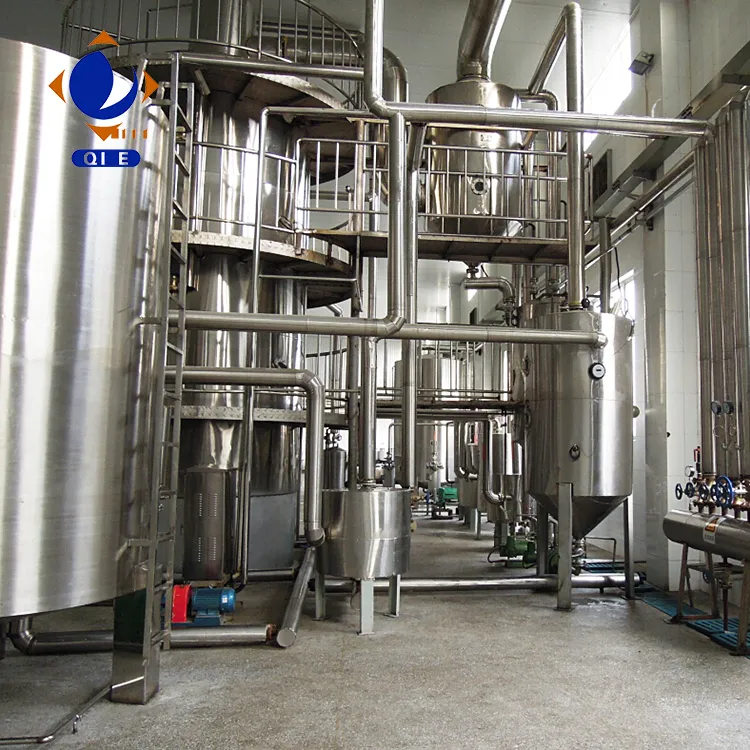
In the competitive global palm oil market, small and mid-sized refining facilities often struggle with balancing yield, purity, and energy efficiency. The solution? A dual-process strategy that leverages both cold pressing and hot pressing—each serving distinct roles in achieving superior quality and operational stability.
Cold pressing (typically below 60°C) preserves natural antioxidants like tocopherols and carotenoids—critical for premium-grade edible oils used in health-conscious markets such as Europe and North America. Studies show cold-pressed palm oil retains up to 92% of its original carotenoid content, compared to just 65% in traditional hot-pressed variants.
Hot pressing (70–90°C), on the other hand, increases extraction efficiency by softening fibers and improving oil flow through the press. This method can boost yield by 8–12%, especially when processing mature palm fruit bunches (PFBs) with high moisture content—a common challenge in tropical regions.
A smart two-stage approach combines the best of both worlds: first, a mild heat treatment at 65°C to pre-condition the raw material, followed by cold pressing to extract the highest-quality oil. This hybrid model reduces mechanical stress on equipment while maintaining flavor integrity—an advantage for export-oriented brands targeting EU food safety standards (e.g., ISO 22000, HACCP).
Key parameters must be tightly controlled:
One Indonesian mill reported a 15% drop in energy consumption after switching from single-hot pressing to a cold-hot hybrid system—thanks to optimized thermal management and reduced reprocessing needs. Another facility in Malaysia saw a 20% increase in customer satisfaction scores after introducing cold-pressed batches for specialty food manufacturers.
Common issues like clogging or low yield? Often traceable to improper temperature gradients or poor fiber conditioning. Our field engineers recommend weekly calibration of thermocouples and monthly checks on hydraulic pressure in the press chamber—simple steps that prevent costly downtime.
Whether you're upgrading an existing line or designing a new one, integrating cold and hot pressing isn’t just technical—it’s strategic. It aligns with evolving buyer expectations for clean-label, sustainable, and consistent palm oil products.
Get our free guide: “Step-by-Step Integration of Cold & Hot Pressing in Small-Scale Mills”
Learn More About Efficient Refining Systems Small - scale palm oil refining line
Economical palm oil equipment
Automated palm oil production line
Palm oil pressing and refining
Palm oil equipment maintenance guide
palm oil refining equipment maintenance
small palm oil refinery operations
daily maintenance for oil processing machines
PLC system care in palm oil plants
extending lifespan of industrial refining equipment
palm oil bleaching process
palm oil degumming techniques
small-scale palm oil yield improvement
palm oil refining process optimization
PLC controlled palm oil refining equipment
Palm oil refining machine
PLC control system
Small - scale refining production line
Palm oil processing equipment
Equipment maintenance skills
palm oil refining
cold press vs hot press
oil yield optimization
palm oil quality improvement
small scale oil processing
Small - scale palm oil refining line
Economical palm oil equipment
Automated palm oil production line
Palm oil pressing and refining
Palm oil equipment maintenance guide
palm oil refining equipment maintenance
small palm oil refinery operations
daily maintenance for oil processing machines
PLC system care in palm oil plants
extending lifespan of industrial refining equipment
palm oil bleaching process
palm oil degumming techniques
small-scale palm oil yield improvement
palm oil refining process optimization
PLC controlled palm oil refining equipment
Palm oil refining machine
PLC control system
Small - scale refining production line
Palm oil processing equipment
Equipment maintenance skills
palm oil refining
cold press vs hot press
oil yield optimization
palm oil quality improvement
small scale oil processing






.png?x-oss-process=image/resize,h_100,m_lfit/format,webp)
.png?x-oss-process=image/resize,h_100,m_lfit/format,webp)
.png?x-oss-process=image/resize,h_100,m_lfit/format,webp)