
For small to mid-sized palm oil refineries, the challenge isn’t just about producing more oil—it’s about doing it efficiently, consistently, and sustainably. Many mills face recurring issues: low extraction rates (often below 78%), inconsistent oil quality, high energy consumption (up to 25% above optimal), and difficulty meeting international standards like ISO 22000 or RSPO certification.
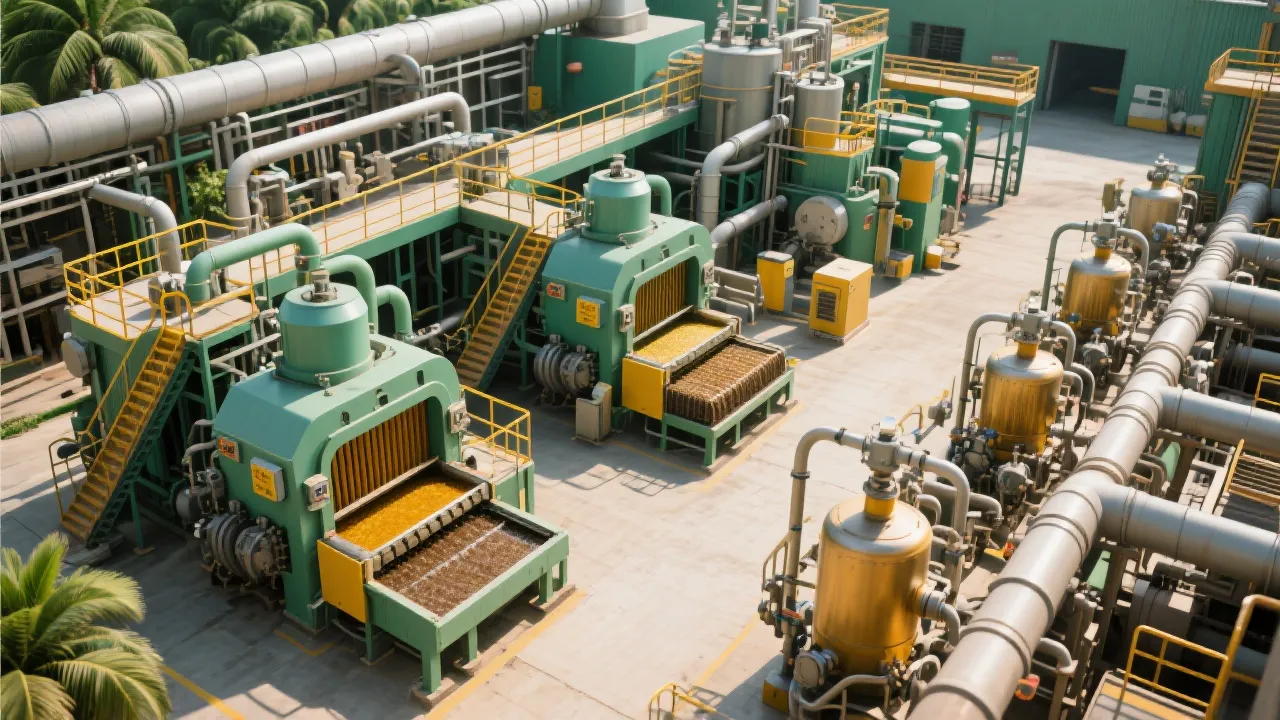
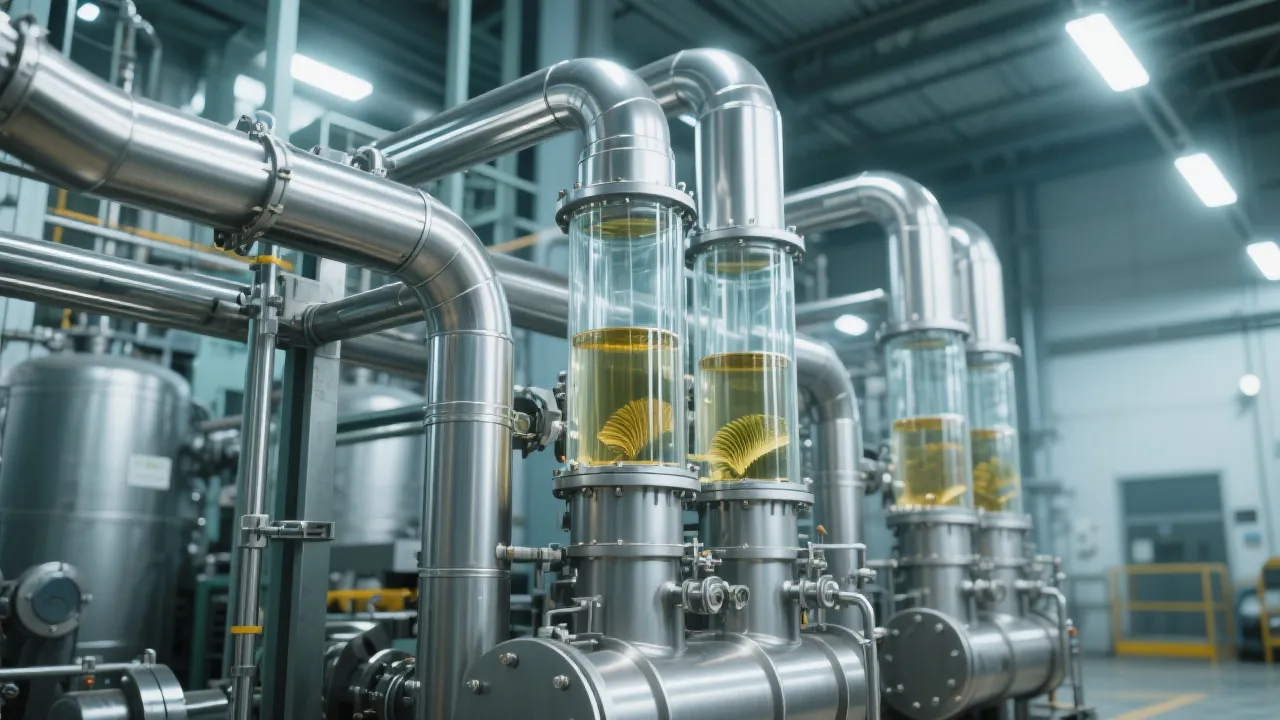
Cold pressing (typically at 40–60°C) preserves natural antioxidants and reduces free fatty acid formation—ideal for premium-grade oils. Hot pressing (85–110°C) boosts yield by breaking down cell walls but risks oxidation if not carefully controlled. When combined intelligently, these two methods can increase overall extraction efficiency by up to 12%, while reducing rancidity risk by over 30% compared to single-process systems.
A case study from a Malaysian mill using our hybrid system showed a consistent 82% yield across 6 months—with FFA levels maintained under 0.5%, well within global export requirements. Key factors? Precise temperature control during transition phases and automated de-gumming cycles that reduce manual errors by ~40%.
Common Mistakes That Cost You Money:
“Running cold press continuously without periodic heat resets causes microbial buildup.” – Engineer at a Thai refinery, 2023
Solution: Implement weekly thermal cycling—just 2 hours at 100°C every 7 days keeps microbial load minimal without compromising cold-pressed output.
International buyers increasingly demand proof of sustainable practices—not just compliance. By adopting a dual-process model, your facility can demonstrate:
These metrics are not only environmentally responsible—they’re also powerful selling points when pitching to EU, US, or GCC buyers who prioritize ESG-aligned suppliers.
Explore our turnkey cold-hot hybrid processing solutions tailored for small-to-mid scale operations—designed for higher yields, cleaner oils, and easier compliance with global standards.
Get Your Free Efficiency Assessment Today small to medium palm oil refining line
energy-saving technology in palm oil refining
palm oil refining equipment optimization
PLC control system in oil processing
grain and oil processing automation
small-scale palm oil refining
mini palm oil refining equipment
equipment maintenance and safety
PLC control system
palm oil production process
economical palm oil refining line
small and medium palm oil processing equipment
palm oil production efficiency case
full-process automated palm oil refining
palm oil processing solutions
palm oil refining equipment
high - efficiency and energy - saving equipment
soft water usage
PLC control system
small and medium - sized palm oil mills
Palm oil refining equipment
Small and medium - sized palm oil mills
Energy - saving equipment selection
PLC intelligent control
Production efficiency improvement
small to medium palm oil refining line
energy-saving technology in palm oil refining
palm oil refining equipment optimization
PLC control system in oil processing
grain and oil processing automation
small-scale palm oil refining
mini palm oil refining equipment
equipment maintenance and safety
PLC control system
palm oil production process
economical palm oil refining line
small and medium palm oil processing equipment
palm oil production efficiency case
full-process automated palm oil refining
palm oil processing solutions
palm oil refining equipment
high - efficiency and energy - saving equipment
soft water usage
PLC control system
small and medium - sized palm oil mills
Palm oil refining equipment
Small and medium - sized palm oil mills
Energy - saving equipment selection
PLC intelligent control
Production efficiency improvement




.png?x-oss-process=image/resize,h_100,m_lfit/format,webp)
.png?x-oss-process=image/resize,h_100,m_lfit/format,webp)
.png?x-oss-process=image/resize,h_100,m_lfit/format,webp)


