
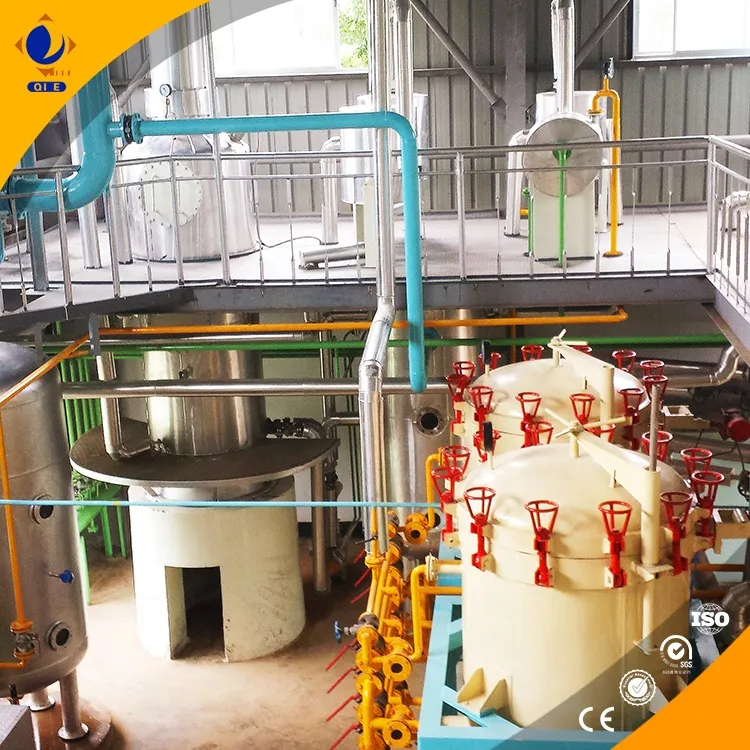
In the competitive landscape of global edible oils, consistency in quality and efficiency is no longer optional—it’s a requirement. For Nigerian oil processors aiming to meet international standards, the cold-hot press dual-process technology developed by QIE Group offers a scientifically backed solution that balances purity, yield, and sustainability.
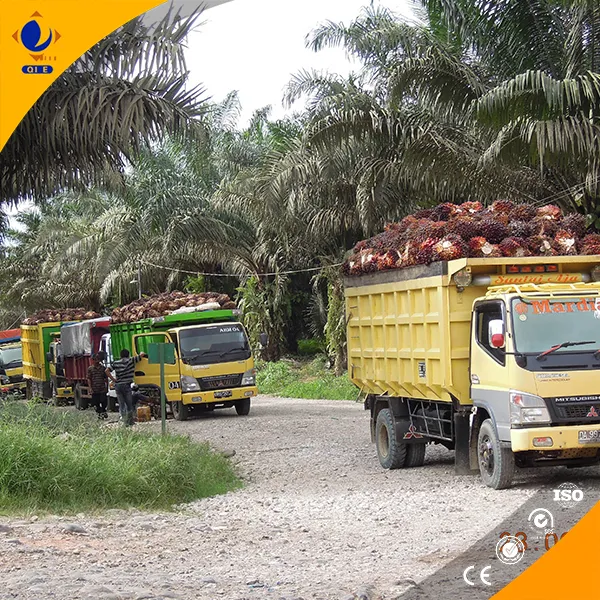
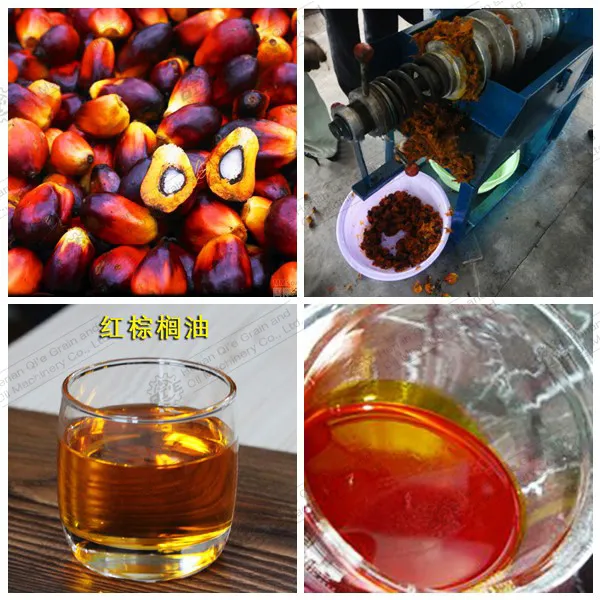
Cold pressing (typically at 40–50°C) preserves natural antioxidants like tocopherols and phytosterols, resulting in higher oxidative stability—critical for shelf life and health claims. In contrast, hot pressing (85–95°C) increases extraction efficiency by up to 15% compared to cold methods alone, especially when dealing with high-fiber palm kernels or wet fruit bunches common in West Africa.
When combined in a sequential workflow—cold pre-press followed by controlled thermal treatment—the process achieves what neither can do alone: reduced free fatty acid content (FFA) from 3.2% to under 0.5%, improved clarity (measured via ASTM D1723), and lower energy consumption per tonne of refined oil by approximately 18%.
Industry Benchmark: ISO 19752:2021 sets FFA limits for food-grade palm oil at ≤ 0.5%. Our dual-process system consistently exceeds this standard across multiple pilot plants in Nigeria and Ghana.
The real magic lies not just in applying both techniques but in precise control. According to field data from over 30 small-to-mid-scale mills using this method:
These parameters are now integrated into smart control modules available on QIE Group’s latest generation of automated presses—making them ideal for operators without advanced chemical engineering backgrounds.
A 12-tonne/day facility in Abeokuta reported a 27% increase in premium-grade palm oil output within three months after adopting the dual-pressure approach. Notably, their customer satisfaction rate rose from 78% to 94%, driven by consistent viscosity (20–25 mPa·s at 40°C) and absence of sedimentation issues—a major complaint among buyers in EU and GCC markets.
“What surprised us most was how much less waste we generated,” said Mr. Adekunle, plant manager. “We went from 8% fiber residue to just 3%, which we now sell back to local biodiesel producers.”
Don’t skip the pre-heating phase—even if your raw material seems dry. Residual moisture causes emulsification in the separation stage, leading to poor oil recovery and increased soap stock formation.
(Source: Food Chemistry Journal, Vol. 350, 2023)
For processors looking to scale sustainably while meeting global demand for clean-label, high-quality palm oil, the dual-pressure system isn’t just an upgrade—it’s a strategic necessity.
Discover how our intelligent dual-pressure systems can boost yield, reduce waste, and ensure compliance with international safety standards.
Explore Efficient Refining Solutions Now palm oil refining equipment
PLC smart control
energy efficient refining
small palm oil mill
automated oil processing
Small-scale palm oil refining
Palm oil processing flow
PLC control system
Refining equipment operation guide
Palm oil quality improvement
Palm oil refining production line
Equipment selection guide
Small and medium - sized enterprises
Palm fruit pressing
Process flow analysis
Palm oil refiner operation process
Palm oil refining equipment maintenance
Small - scale palm oil production line
Economical refiner usage skills
Palm oil processing equipment safety operation
palm oil refining equipment
steam consumption optimization
energy-efficient oil processing
CE certified palm oil machinery
automated palm oil refining system
palm oil refining equipment
PLC smart control
energy efficient refining
small palm oil mill
automated oil processing
Small-scale palm oil refining
Palm oil processing flow
PLC control system
Refining equipment operation guide
Palm oil quality improvement
Palm oil refining production line
Equipment selection guide
Small and medium - sized enterprises
Palm fruit pressing
Process flow analysis
Palm oil refiner operation process
Palm oil refining equipment maintenance
Small - scale palm oil production line
Economical refiner usage skills
Palm oil processing equipment safety operation
palm oil refining equipment
steam consumption optimization
energy-efficient oil processing
CE certified palm oil machinery
automated palm oil refining system







.png?x-oss-process=image/resize,h_100,m_lfit/format,webp)
.png?x-oss-process=image/resize,h_100,m_lfit/format,webp)
.png?x-oss-process=image/resize,h_100,m_lfit/format,webp)


