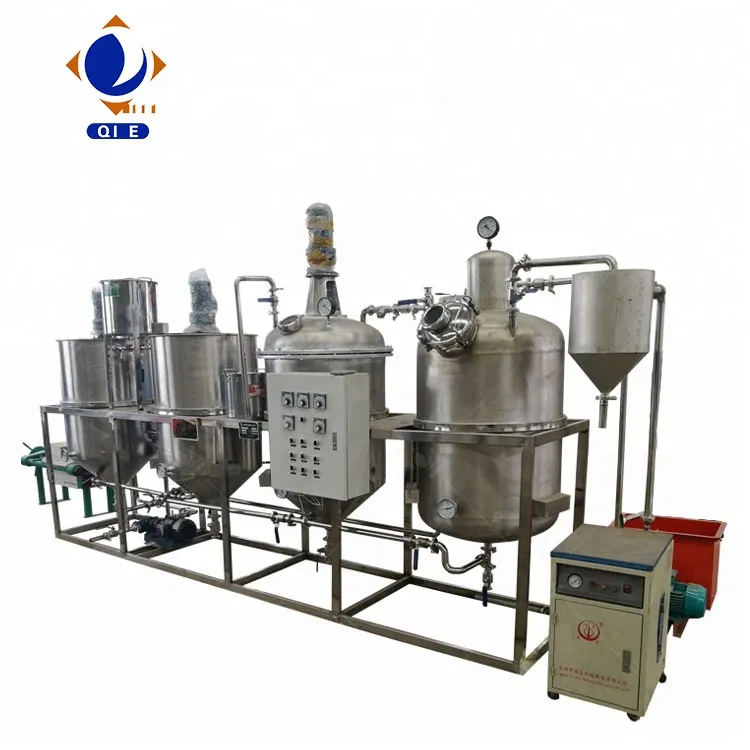
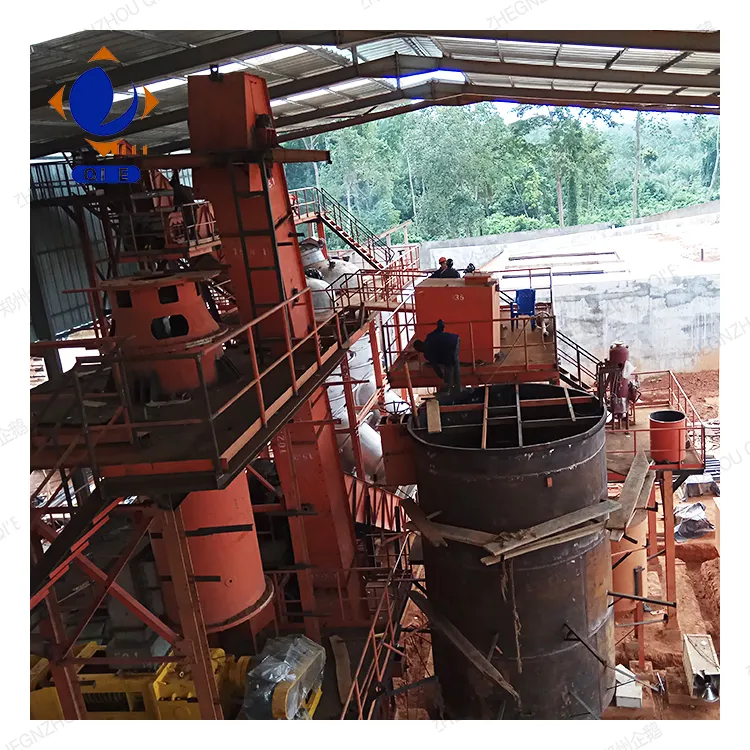
In the competitive global palm oil market, quality consistency isn’t just a differentiator—it’s a requirement for compliance and premium pricing. For small to mid-sized refineries in Nigeria, especially those targeting EU or US buyers, mastering both cold-press and hot-press techniques is no longer optional. It's strategic.
According to a 2023 study by the International Oleochemical Association, cold-pressed palm oil retains up to 92% of its natural tocopherols, while hot-pressed methods can increase yield by 15–20% compared to traditional cold-only processes. But here’s the key insight: when integrated correctly, these two approaches don’t compete—they complement each other.
“We saw a 30% improvement in oxidative stability after switching from single-process to dual-temperature refining.” — Dr. Adebayo Oluwafemi, Technical Lead at Lagos Agro-Processing Ltd.
The synergy lies in temperature-controlled sequence design:
This dual-phase workflow allows mills to achieve consistent FFA levels below 0.5%, meeting ISO 10479 standards required by major importers like Unilever and Nestlé.
One common mistake? Skipping the intermediate de-gumming stage between cold and hot phases. In practice, this leads to emulsification issues—especially in humid climates like Nigeria’s coastal regions. The solution?
These steps have helped several Nigerian producers reduce energy costs by up to 12% per tonne, according to data from the National Institute for Industrial Research (NIIR).
International certification bodies such as RSPO and BRCGS now require documented process control logs—including temperature profiles across all stages. By adopting a structured cold-hot hybrid model, Nigerian mills not only meet these requirements but also position themselves as reliable suppliers for premium markets.
And it doesn’t stop at compliance. With better oil clarity, extended shelf life, and fewer batch rejections, operators report a measurable boost in customer retention—up to 25% over six months in pilot programs.
Discover how our tailored process integration solutions help Nigerian mills improve yield, reduce waste, and meet global standards—with real-time monitoring and expert support.
Explore Efficient Cold-Hot Dual Process Solutions Dual - process (hot and cold press) palm oil refining
Palm oil quality stability improvement
High - efficiency palm oil refining equipment
Energy - saving solutions for grain and oil processing
International standard palm oil production
small-scale palm oil refining
palm oil refining equipment
PLC controlled palm oil refinery
palm oil processing steps
mini palm oil plant operation
multi-voltage palm oil refining equipment
palm oil processing in unstable power grids
PLC control system for oil mills
reliable oil extraction machinery
sustainable palm oil production
palm oil refining machine maintenance
small palm oil processing plant
refinery equipment troubleshooting
palm oil processing equipment保养
PLC control system maintenance
palm oil refining process
mini palm oil refining equipment
de-gumming in palm oil
de-acidification technology
PLC control system for oil refining
Dual - process (hot and cold press) palm oil refining
Palm oil quality stability improvement
High - efficiency palm oil refining equipment
Energy - saving solutions for grain and oil processing
International standard palm oil production
small-scale palm oil refining
palm oil refining equipment
PLC controlled palm oil refinery
palm oil processing steps
mini palm oil plant operation
multi-voltage palm oil refining equipment
palm oil processing in unstable power grids
PLC control system for oil mills
reliable oil extraction machinery
sustainable palm oil production
palm oil refining machine maintenance
small palm oil processing plant
refinery equipment troubleshooting
palm oil processing equipment保养
PLC control system maintenance
palm oil refining process
mini palm oil refining equipment
de-gumming in palm oil
de-acidification technology
PLC control system for oil refining









.png?x-oss-process=image/resize,h_100,m_lfit/format,webp)
.png?x-oss-process=image/resize,h_100,m_lfit/format,webp)
.png?x-oss-process=image/resize,h_100,m_lfit/format,webp)