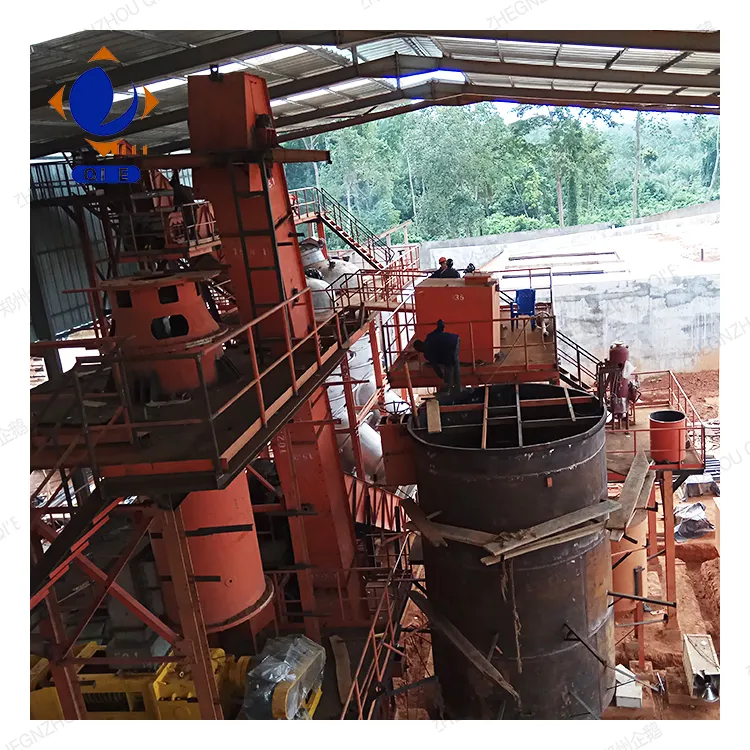
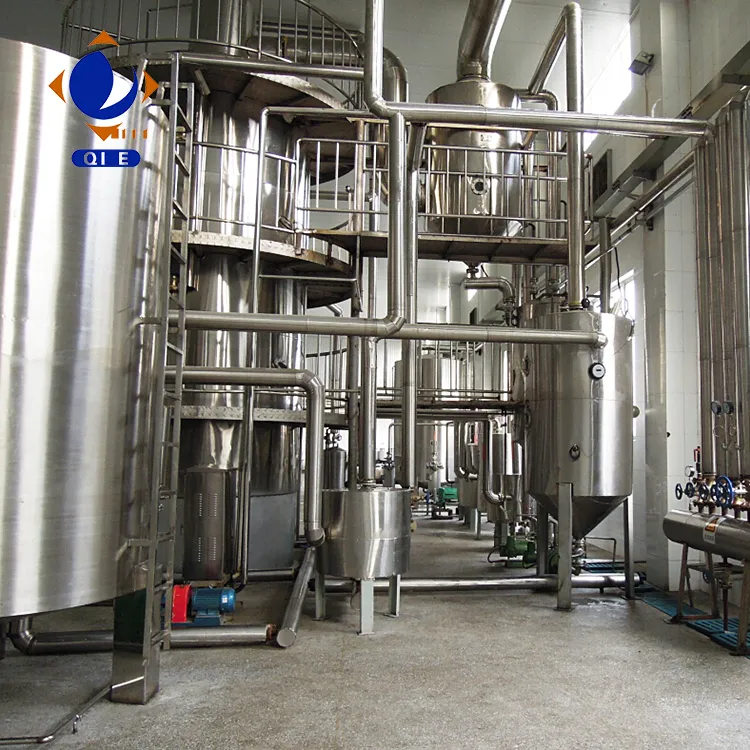
For small to mid-sized palm oil mills in Nigeria—like many across West Africa—the challenge isn’t just about producing oil—it’s about producing consistent, high-quality oil that meets international standards while reducing waste and energy use. Many operators face recurring issues: fluctuating yields, unstable quality batches, and difficulty exporting due to non-compliance with food safety regulations like ISO or HACCP.
Traditional single-process extraction often compromises either yield or quality. Cold pressing preserves natural nutrients and flavor compounds (like tocopherols and carotenoids), but typically results in lower oil recovery—around 75–80% efficiency. In contrast, hot pressing boosts output by up to 92%, though it risks degrading heat-sensitive components.
When used together in a controlled sequence—first cold press for initial extraction, then gentle heating for secondary recovery—you can achieve an average oil yield increase of 12–15% compared to using only one method, according to trials conducted by the Nigerian Institute of Oil Palm Research (NIOPI).
Here’s where smart engineering makes all the difference:
This integrated system not only enhances purity and stability but also aligns with global food safety expectations—critical for accessing EU and GCC markets where traceability and cleanliness are mandatory.
One Nigerian mill operator reported switching from manual hot press to a semi-automated cold-hot combo setup saw their monthly production rise from 12 tons to 15.5 tons—with no additional labor costs. Their oil passed third-party lab tests for free fatty acid levels (< 0.5%) and peroxide value (< 5 meq/kg)—key metrics for export readiness.
These improvements aren’t just theoretical—they’re proven, scalable, and tailored for local conditions such as inconsistent power supply and variable raw material moisture content.
That’s why leading manufacturers like QIE Group have developed modular, intelligent palm oil refining systems designed specifically for this dual-process flow. These machines include automatic temperature regulation, real-time viscosity monitoring, and remote diagnostics—making them ideal for smaller operations looking to scale efficiently and sustainably.
Get a customized cold-hot press optimization plan based on your current capacity, power availability, and target market requirements.
Click Here to Get Your Customized Refining Plan palm oil refining optimization
small scale palm oil processing
temperature pressure time control
palm oil deodorization process
PLC control in oil refining
crude palm oil refining automation
energy-efficient palm oil processing
CE certified oil refining equipment
sustainable palm oil production
palm oil plant optimization
Economical palm oil refining machine
Palm oil refining process
Small - scale palm oil production line
Refining equipment maintenance
Operation of grain and oil processing equipment
Palm oil refining equipment
PLC automatic control system
Automation transformation of small and medium - scale oil plants
Cold and hot pressing processes
Upgrading of grain and oil processing equipment
palm oil refining equipment
energy-efficient refining solutions
PLC intelligent control system
small and medium palm oil mills
low energy consumption technology
palm oil refining optimization
small scale palm oil processing
temperature pressure time control
palm oil deodorization process
PLC control in oil refining
crude palm oil refining automation
energy-efficient palm oil processing
CE certified oil refining equipment
sustainable palm oil production
palm oil plant optimization
Economical palm oil refining machine
Palm oil refining process
Small - scale palm oil production line
Refining equipment maintenance
Operation of grain and oil processing equipment
Palm oil refining equipment
PLC automatic control system
Automation transformation of small and medium - scale oil plants
Cold and hot pressing processes
Upgrading of grain and oil processing equipment
palm oil refining equipment
energy-efficient refining solutions
PLC intelligent control system
small and medium palm oil mills
low energy consumption technology





.png?x-oss-process=image/resize,h_100,m_lfit/format,webp)
.png?x-oss-process=image/resize,h_100,m_lfit/format,webp)
.png?x-oss-process=image/resize,h_100,m_lfit/format,webp)