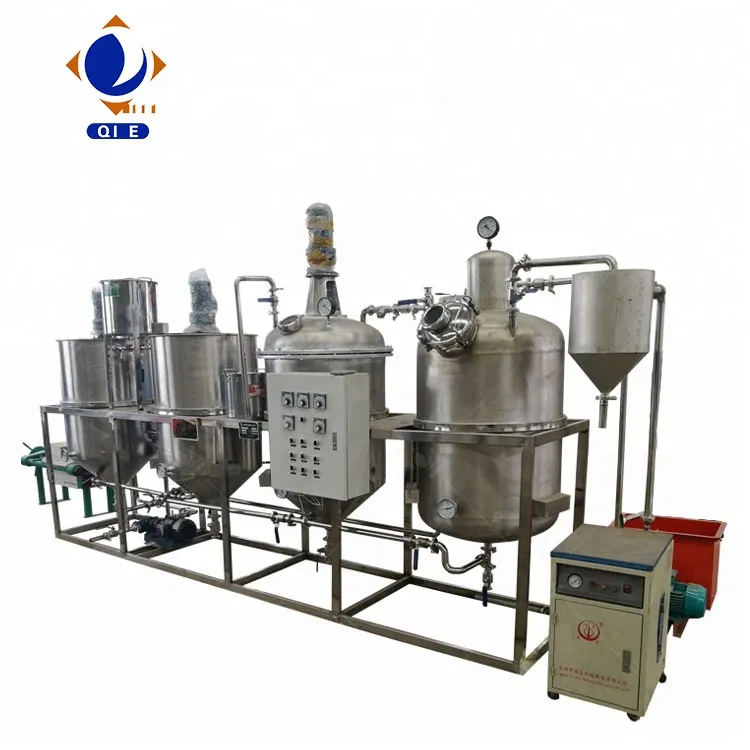
This article delves deep into the synergistic operation process and key control points of the cold and hot pressing dual processes in the palm oil refining equipment specially developed by Penguin Group for Nigerian grain and oil processing enterprises. By analyzing the technical advantages of cold pressing and hot pressing respectively and their complementary roles in enhancing oil purity and quality stability, it aims to help small and medium - sized oil mills optimize process combinations and parameter settings, maximize production efficiency while reducing energy consumption.
Let's first understand the technical principles of cold and hot pressing processes. Cold pressing is carried out at relatively low temperatures, usually around 40 - 60°C. This process can preserve more bioactive substances in palm oil, such as vitamins and antioxidants, resulting in a more natural and pure oil product. On the other hand, hot pressing is conducted at higher temperatures, typically between 100 - 120°C. It can break down cell walls more effectively, increasing the oil extraction rate. The complementary advantages of these two processes are significant. Cold pressing can improve the initial purity of the oil, while hot pressing can enhance the overall oil yield.
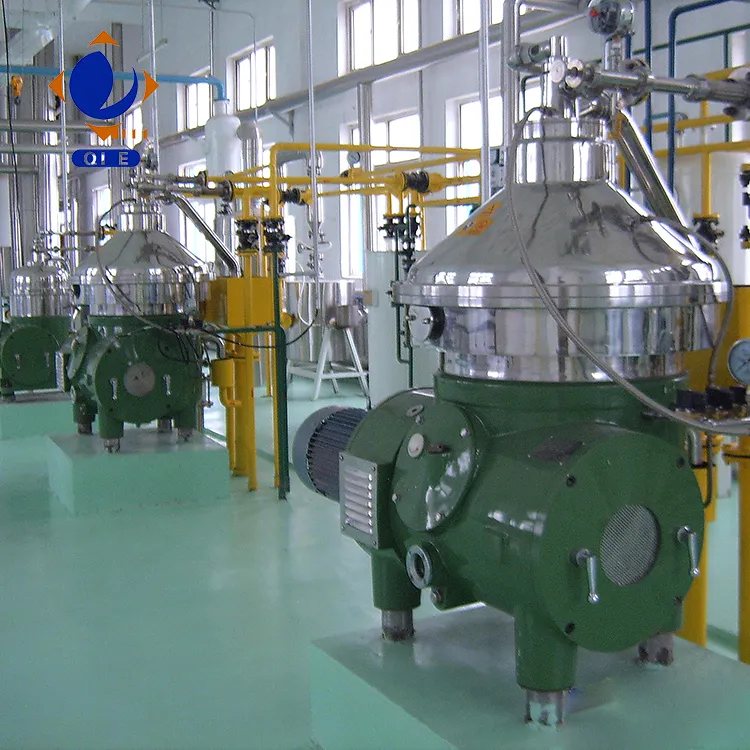
One of the key control points is temperature control. In the cold - pressing stage, maintaining the temperature within the appropriate range is crucial for preserving the bioactive components. For example, if the temperature exceeds 60°C, some of the heat - sensitive substances may be damaged. In the hot - pressing stage, a temperature of around 110°C is generally recommended to ensure efficient oil extraction without causing excessive degradation of the oil components. Another important aspect is the degumming process. Efficient degumming can remove impurities such as phospholipids from the oil, improving the oil's stability and quality. For instance, adjusting the pH value of the degumming solution and the reaction time can significantly affect the degumming efficiency.
During the operation of the cold and hot pressing dual processes, some common problems may occur. For example, if the oil yield is lower than expected, it may be due to improper temperature control or clogged pressing equipment. In such cases, checking and adjusting the temperature settings and cleaning the equipment can often solve the problem. If there are issues with oil quality, such as high impurity content, it may be necessary to review the degumming and filtration processes.
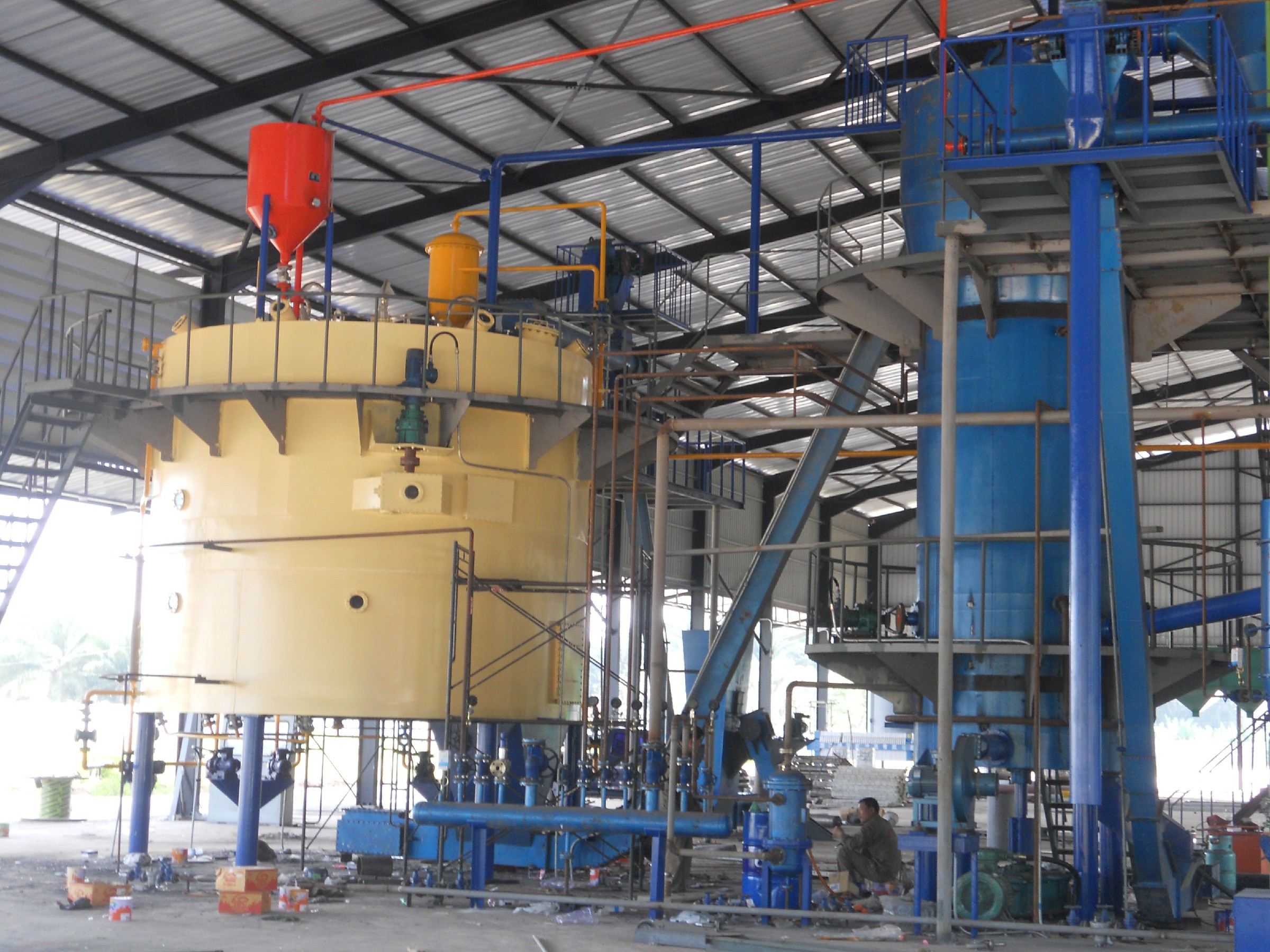
The palm oil refining industry in Nigeria and other regions often faces challenges such as high energy consumption, low production efficiency, and difficulty in meeting international standards. The cold and hot pressing dual processes provided by Penguin Group can effectively address these issues. By optimizing the process combination and parameter settings, energy consumption can be reduced by up to 30%, and production efficiency can be increased by about 20%. Moreover, the refined palm oil produced using these processes can meet international safety and environmental standards, which is crucial for enhancing the competitiveness of products in the international market.
To better understand and apply these technologies, we recommend using information graphics, technical process videos, and interactive Q&A sessions. These forms of content can enhance users' understanding and participation, making it easier for them to master the key points of the cold and hot pressing dual processes.
If you are a grain and oil processing enterprise looking to improve your product competitiveness and optimize your production process, don't miss this opportunity. Learn more about our efficient palm oil refining solutions.
 palm oil refining machine
cost-effective oil processing equipment
palm oil refining process
industrial palm oil refining
PLC-controlled oil refiner
palm oil refining machine
PLC control system
equipment maintenance
production efficiency improvement
palm oil processing automation
Palm oil refining process
Cold and hot pressing dual process
Oil stability improvement
Energy-saving solutions for small and medium-sized oil mills
Palm oil degumming efficiency
Palm oil refining process
Small palm oil equipment
PLC control system
Palm oil processing practice
Refining equipment maintenance
palm oil refining process
small scale palm oil plant
palm oil refining equipment
palm oil deodorization
B2B palm oil export
palm oil refining machine
cost-effective oil processing equipment
palm oil refining process
industrial palm oil refining
PLC-controlled oil refiner
palm oil refining machine
PLC control system
equipment maintenance
production efficiency improvement
palm oil processing automation
Palm oil refining process
Cold and hot pressing dual process
Oil stability improvement
Energy-saving solutions for small and medium-sized oil mills
Palm oil degumming efficiency
Palm oil refining process
Small palm oil equipment
PLC control system
Palm oil processing practice
Refining equipment maintenance
palm oil refining process
small scale palm oil plant
palm oil refining equipment
palm oil deodorization
B2B palm oil export





.png?x-oss-process=image/resize,h_100,m_lfit/format,webp)
.png?x-oss-process=image/resize,h_100,m_lfit/format,webp)
.png?x-oss-process=image/resize,h_100,m_lfit/format,webp)