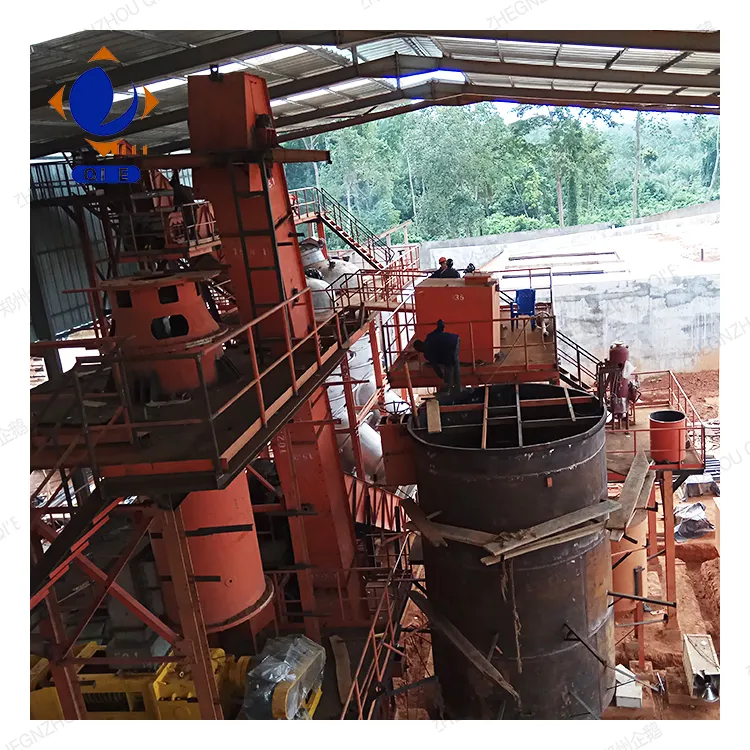
Across Southeast Asia, an increasing number of small-to-medium-sized palm oil mills are adopting carbon steel modular refining systems. This shift is not accidental—it stems from a critical balance of cost-effectiveness, durability, and operational flexibility. Traditional fixed refining equipment, though proven, often falls short in meeting the spatial constraints, investment budgets, and fluctuating production volumes typical of these enterprises. This article dives deep into how modular design combined with carbon steel construction and patented energy-saving technologies is reshaping the palm oil refining landscape.
In Southeast Asia, many palm oil processors operate with limited floor area and capital budgets. Traditional fixed refining units often require large footprint installations along with substantial upfront investments, which are barriers for smaller operations aiming to gradually scale production.
Moreover, palm oil production frequently experiences seasonal and market-driven fluctuations. Mills need refining equipment that can adapt quickly to these changes without incurring costly downtime or performance losses.
Modular refining equipment breaks processing systems into standardized, self-contained units. This offers several tangible advantages:
Compared to monolithic fixed installations, modularization enables mills to better align equipment investments with actual production scales and market demand.
Carbon steel is emerging as the preferred material for modular refining modules due to its excellent performance-to-cost ratio. While stainless steel offers superior corrosion resistance, it can significantly increase equipment costs—often prohibitive for smaller mills.
Modern carbon steel, when paired with advanced surface treatments and proper maintenance, delivers durability that withstands the typical operating environment of palm oil refining. Mills have reported service lifespans of over 10 years with carbon steel modules under standard processing conditions.
Importantly, carbon steel modules reduce initial capital expenditure by approximately 25-35% compared to stainless steel alternatives, freeing up budget for other operational needs.
The integration of national patented technologies focused on energy efficiency is a game changer. These innovations target steam consumption—one of the largest operational costs in refining.
| Parameter | Traditional Fixed Unit | Modular Carbon Steel Unit |
|---|---|---|
| Steam Consumption per Ton Refined | 180 kg | 135 kg (~25% Reduction) |
| Typical Daily Capacity | 15 tons | 10–15 tons per module, scalable |
| Flexibility in Production Scaling | Low | High |
These patented designs optimize heat recovery and reduce energy losses, directly improving your mill's bottom line and environmental footprint.
Consider a family-run palm oil mill in Indonesia—initially operating a small 5-ton/day line with limited space and budget. By adopting modular carbon steel refining units, the mill:
This flexible, phased approach contrasts with the upfront capital and spatial demands of traditional fixed systems, aligning equipment with actual business growth.
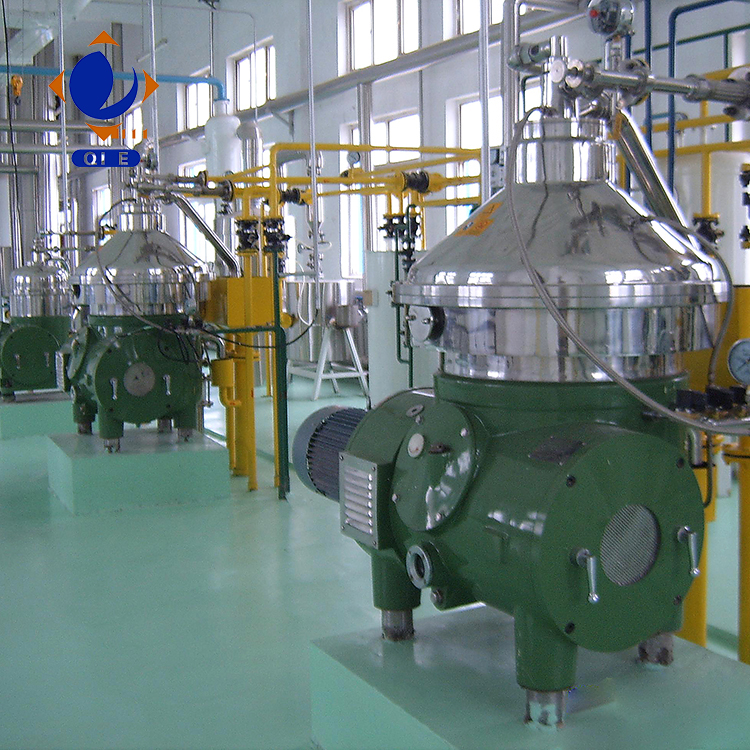
The palm oil sector is increasingly embracing sustainability and automation. Carbon steel modular systems complement these trends by supporting:
Is your mill ready to upgrade toward smarter, greener refining operations?


.png?x-oss-process=image/resize,h_100,m_lfit/format,webp)
.png?x-oss-process=image/resize,h_100,m_lfit/format,webp)
.png?x-oss-process=image/resize,h_100,m_lfit/format,webp)