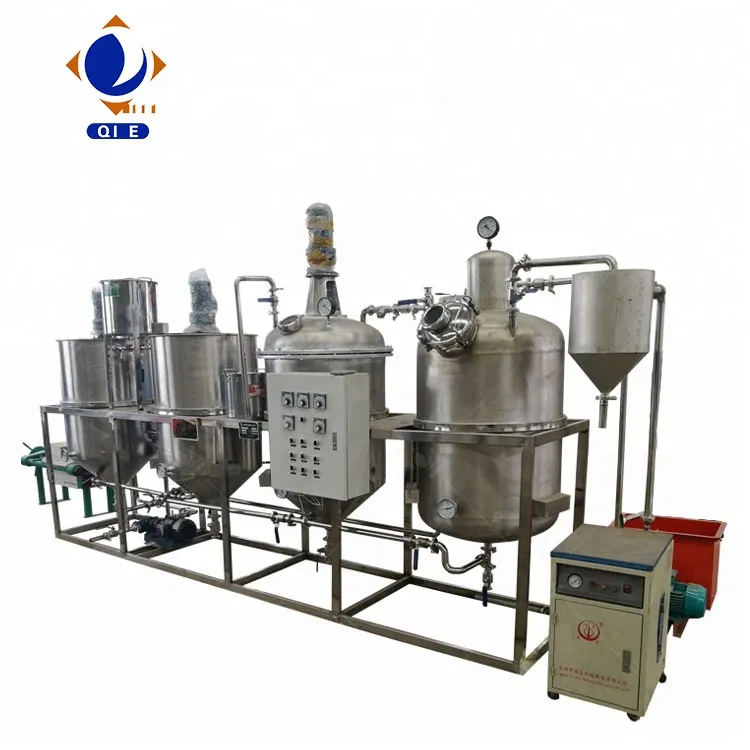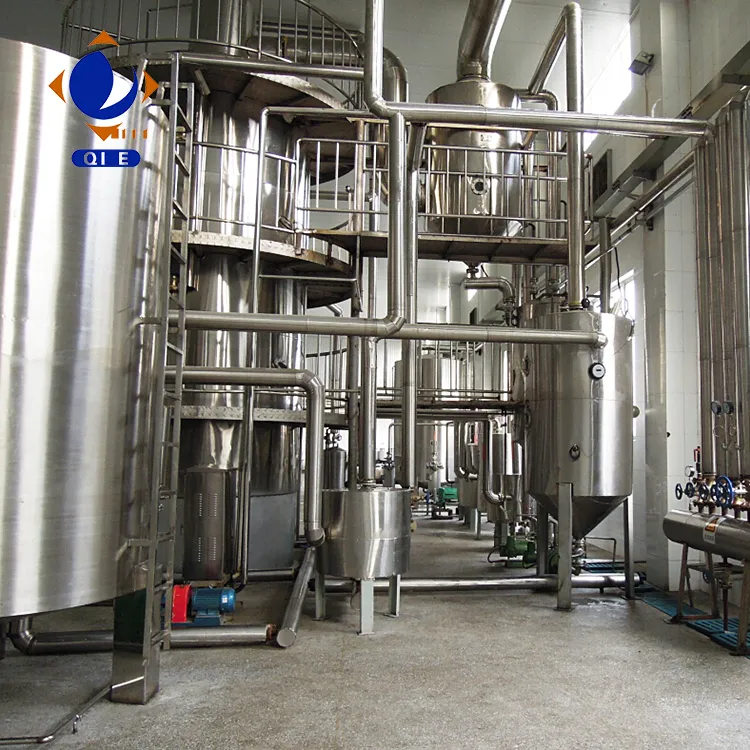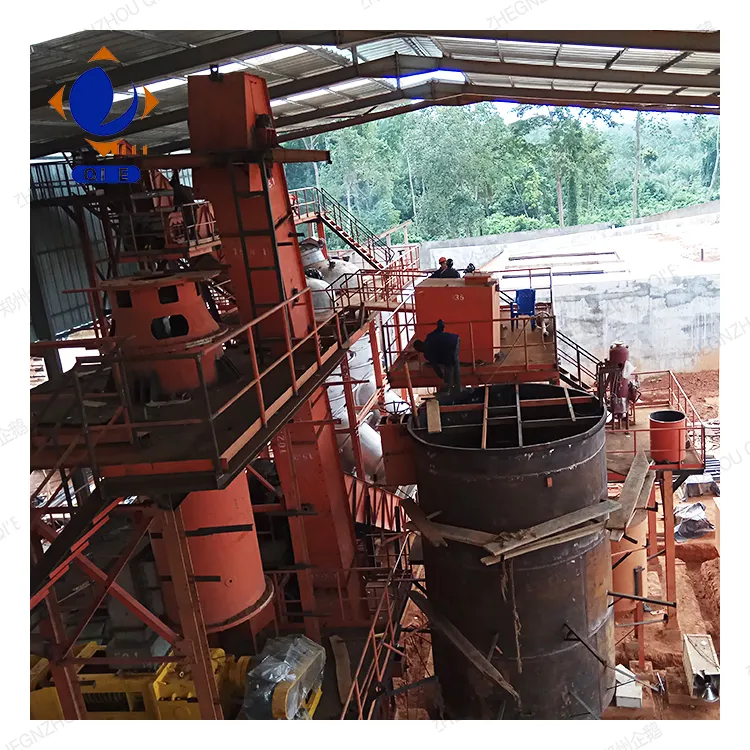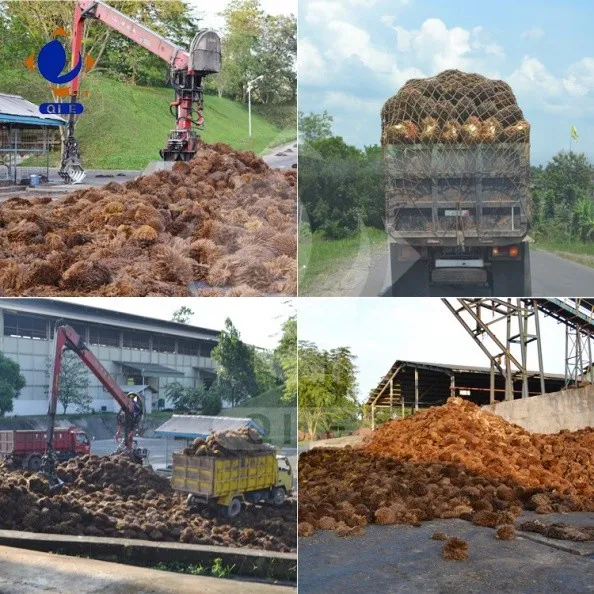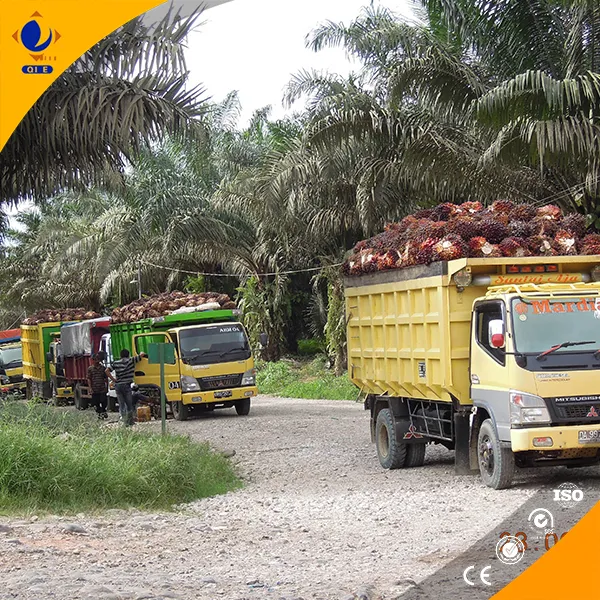
In Nigeria and other African regions, small and medium-sized palm oil processing plants often face significant challenges. Labor costs account for a large proportion of their overall expenses, sometimes up to 40% of the total production cost. The heavy reliance on manual labor also leads to unstable operations. Due to inconsistent manual operations, the product quality fluctuates, and the rejection rate can reach about 15%. This not only affects the efficiency but also undermines the market competitiveness of these small and medium-sized oil mills. You may be wondering if there is a way to solve these problems. Well, the answer lies in the PLC automatic control system.
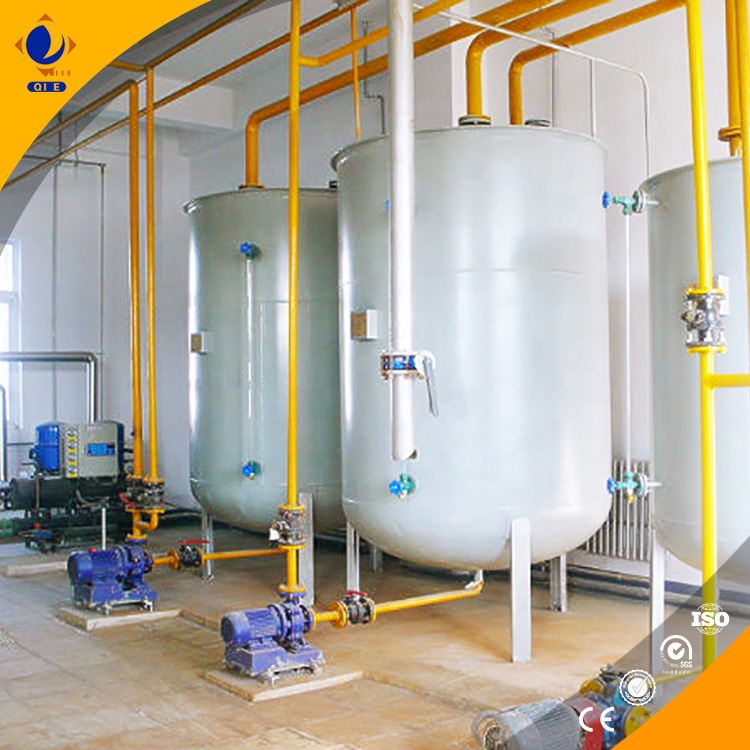
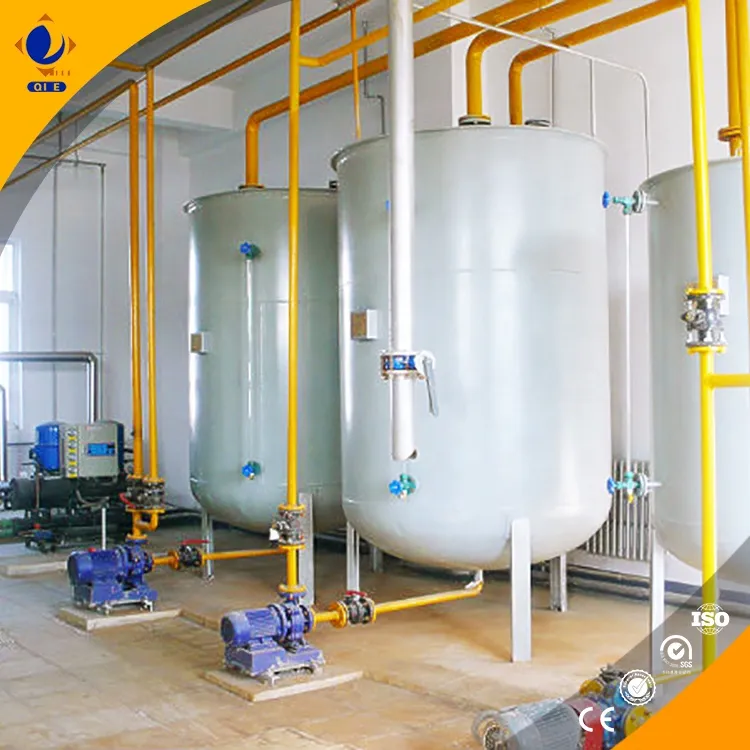
The PLC automatic control system can achieve closed-loop management of the entire process from raw material pre - treatment to finished product filling. In the pre - treatment stage, it can precisely control the cleaning and sorting of raw materials, reducing the impurity rate to less than 5%. During the refining process, it can adjust parameters such as temperature, pressure, and time in real - time. For example, it can maintain the refining temperature within a range of ±1°C, ensuring the stability of the refining process. In the filling stage, it can accurately control the filling volume, with an error rate of less than 1%. The closed - loop control advantage of the PLC system means that it can continuously monitor and adjust the process, significantly reducing human errors and improving the consistency and safety of the oil products.
Different raw materials have different characteristics in cold - pressing and hot - pressing processes. The PLC system can intelligently adjust parameters according to these characteristics. In the cold - pressing process, for raw materials with high moisture content, the PLC system can adjust the pressure and speed to ensure the oil yield and quality. In the hot - pressing process, it can control the heating time and temperature to prevent the oil from being over - heated and losing nutrients. This intelligent parameter adjustment ensures that the quality of the oil products remains stable under different processes, which is crucial for small and medium - sized oil mills to meet market demand.
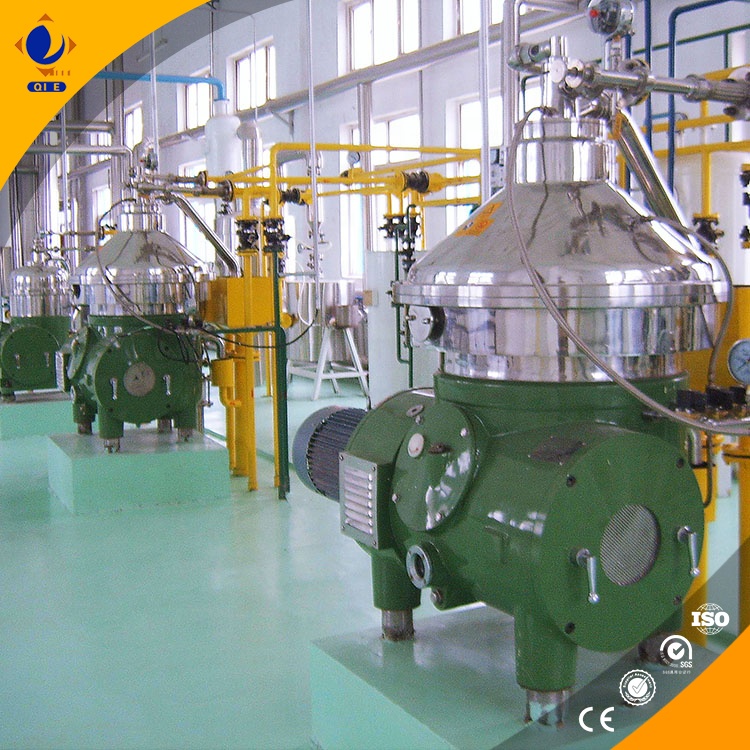
When choosing a PLC system for a small and medium - sized oil mill, some typical configuration suggestions should be considered. For voltage compatibility, in Nigeria, the local voltage is usually 230V, so the PLC system should be able to adapt to this voltage. In terms of core component selection, high - quality sensors and controllers should be chosen to ensure the accuracy and stability of the system. As for daily maintenance, regular inspections of key components such as sensors, controllers, and wiring should be carried out at least once a week. Cleaning the system and replacing worn - out parts in a timely manner can extend the service life of the PLC system and ensure its normal operation.
Let's take a look at the data comparison between the traditional manual mode and the automated mode. In the traditional manual mode, the daily output of a small - scale oil mill is about 5 tons, while after the application of the PLC automatic control system, the daily output can reach 8 tons, an increase of 60%. In terms of energy consumption, the traditional mode consumes about 200 kWh per ton of oil, while the automated mode reduces it to 150 kWh per ton, a reduction of 25%. The qualified rate also increases significantly from 85% in the traditional mode to 95% in the automated mode. These data clearly show the advantages of the PLC automatic control system in improving efficiency and quality.
With the increasing emphasis on international green production standards, the automation of small and medium - sized oil mills has become an inevitable trend. The PLC automatic control system can help small and medium - sized oil mills meet these standards. It can accurately control the use of chemicals in the refining process, reducing environmental pollution. It also ensures the traceability of the production process, which is very important for export compliance. By using the PLC automatic control system, your oil mill can not only improve efficiency and reduce risks but also meet international standards, enhancing your market competitiveness.
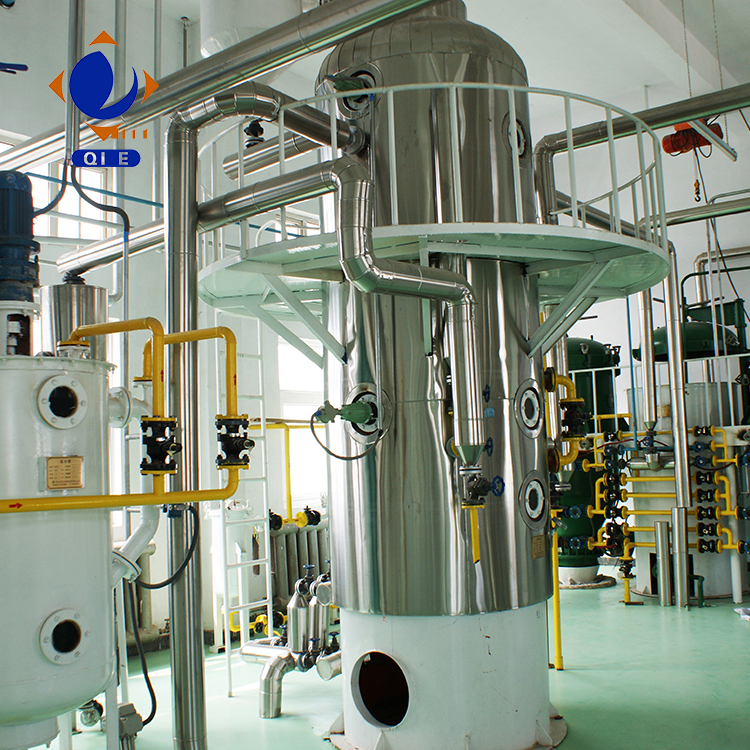
You may be facing similar challenges in your oil mill. Are you ready to take the first step towards automation? Do you want to know more about how the PLC automatic control system can transform your small and medium - sized oil mill? Leave a message in the comment area, and let's discuss it together. If you're eager to enhance your oil mill's efficiency, reduce risks, and meet international standards, click here to learn more about our PLC automatic control system solutions.
 palm oil refining equipment
daily maintenance checklist
safety standards for oil processing
PLC control system in refining
small-scale palm oil production
small palm oil refining equipment
palm oil refining process
PLC control system
refinery maintenance safety
small scale oil processing
Palm oil refining production line
Equipment selection guide
Small and medium - sized enterprises
Palm fruit pressing
Process flow analysis
Palm oil refining process
Small palm oil equipment
PLC control system
Palm oil processing practice
Refining equipment maintenance
palm oil refining equipment
cold heat press dual process
palm oil quality enhancement
grain and oil processing solutions
energy-saving intelligent refiner
palm oil refining equipment
daily maintenance checklist
safety standards for oil processing
PLC control system in refining
small-scale palm oil production
small palm oil refining equipment
palm oil refining process
PLC control system
refinery maintenance safety
small scale oil processing
Palm oil refining production line
Equipment selection guide
Small and medium - sized enterprises
Palm fruit pressing
Process flow analysis
Palm oil refining process
Small palm oil equipment
PLC control system
Palm oil processing practice
Refining equipment maintenance
palm oil refining equipment
cold heat press dual process
palm oil quality enhancement
grain and oil processing solutions
energy-saving intelligent refiner


.png?x-oss-process=image/resize,h_100,m_lfit/format,webp)
.png?x-oss-process=image/resize,h_100,m_lfit/format,webp)
.png?x-oss-process=image/resize,h_100,m_lfit/format,webp)