Home > News > Automated Control Technology of 10 Tons/Day Small-Scale Palm Kernel Oil Refining Equipment: Detailed Analysis and Application Value

Automated Control Technology of 10 Tons/Day Small-Scale Palm Kernel Oil Refining Equipment: Detailed Analysis and Application Value

QI ' E Group
2026-03-02
Technical knowledge
This article provides a comprehensive analysis of the automated control technology integrated into the 10 tons/day small-scale palm kernel oil refining equipment developed by Penguin Group for medium and small edible oil producers. It highlights key components such as sensor monitoring (temperature, pressure, flow), PLC control units, and human-machine interface (HMI) design. The discussion emphasizes how automation enables visualized process management, dynamic parameter adjustments, and automatic fault alarms, thereby enhancing production efficiency, operational stability, and equipment reliability. Through real-world case studies, the article demonstrates how automation simplifies operations, accelerates fault response, and promotes energy-saving and eco-friendly outcomes. This solution offers edible oil manufacturers an intelligent upgrade path towards greener production while boosting overall competitiveness.
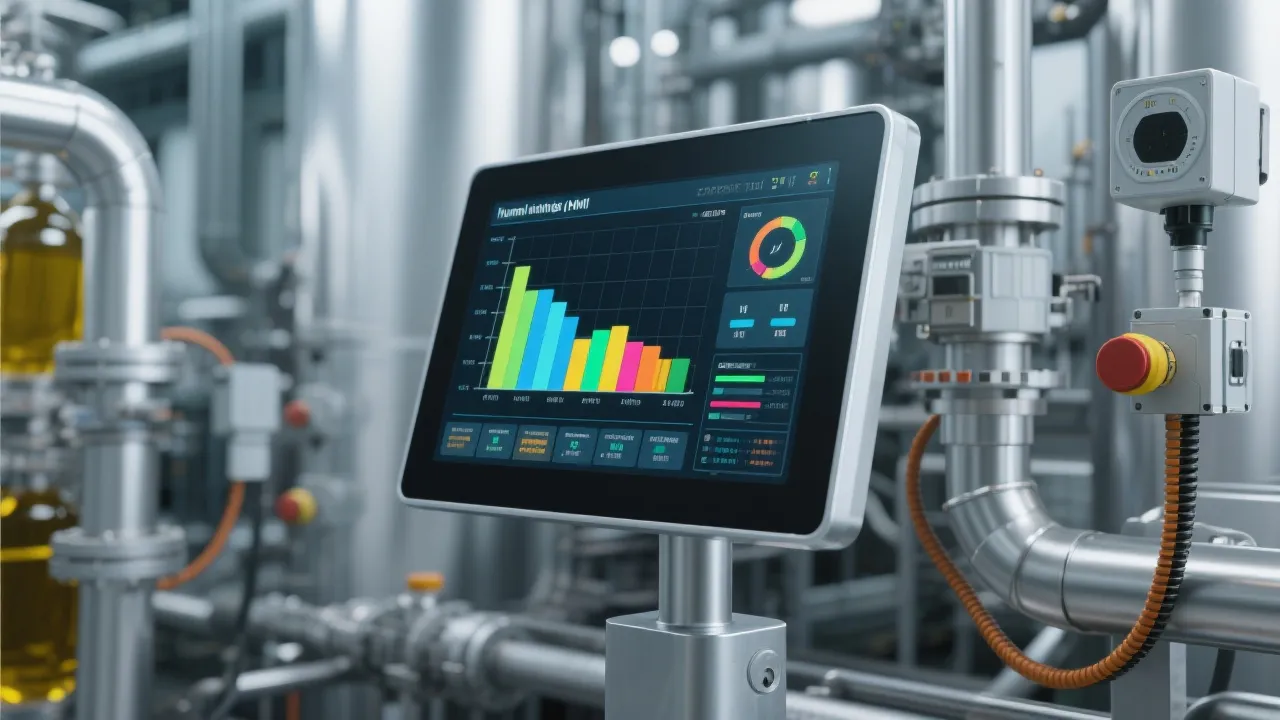
Sensor monitoring setup in automated palm kernel oil refining equipment

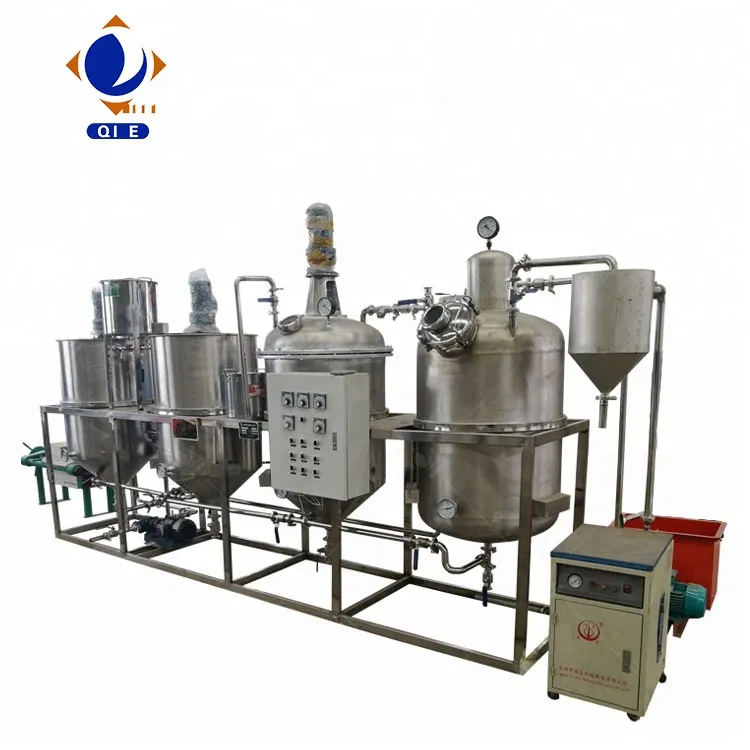
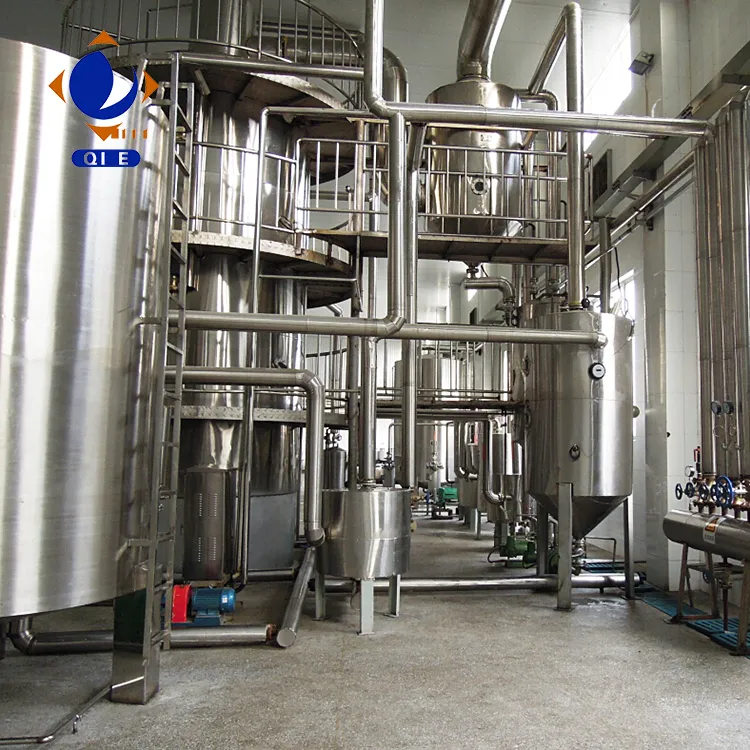
Automation Control Technology in 10 Tons/Day Small-Scale Palm Kernel Oil Refining Equipment

In the evolving landscape of edible oil production, medium and small-sized manufacturers face growing demands for efficiency, reliable quality, and sustainable operation. The integration of advanced automation control technologies into palm kernel oil refining equipment has emerged as a pivotal response to these challenges. Specifically, the 10 tons/day small-scale palm kernel oil refining unit designed by Penguin Group exemplifies cutting-edge automation that elevates operational performance and green manufacturing standards.

Core Automation Components and Their Roles

At the heart of this smart refining system lies a multi-layered automation architecture:

  • Sensor Monitoring: High-precision sensors continuously capture key parameters such as temperature, pressure, and flow rates at critical process points. For example, temperature sensors maintain accuracy within ±0.5°C, essential for optimal chemical reactions during degumming and neutralization stages.
  • PLC Control Unit: The programmable logic controller employs robust logic to manage process sequences, regulate actuators, and balance throughput dynamically. This minimizes manual intervention and reduces human errors by over 30%, based on field trial data.
  • Human-Machine Interface (HMI): Designed for intuitive visualization and remote control access, the HMI displays real-time operational data, allows parameter adjustments and triggers instant alarms for deviations, ensuring rapid response to faults.

Enhancing Production Stability and Efficiency

Automation transforms conventional refining workflows by enabling continuous and precise monitoring paired with closed-loop control. The result is a significantly elevated process stability with:

  • Reduced manual errors: Automated control reduces deviations in key quality indicators like Free Fatty Acid (FFA) levels by up to 15% compared to manual settings.
  • Improved operational uptime: By auto-detecting anomalies such as abnormal pressure spikes or flow drops, the system generates fault alarms promptly, cutting average downtime by nearly 25%.
  • Optimized resource usage: Dynamic adjustment of heating elements and circulation pumps conserves energy, reducing electrical consumption by an estimated 10% relative to conventional refining lines.

Visualization and Remote Management Advantages

The user-friendly HMI interface offers a comprehensive view of the entire refining line. Features include:

  • Dashboard overview: Live graphs and numeric displays for all relevant metrics support quick assessment of process status.
  • Parameter tuning: Operators can fine-tune setpoints such as temperature thresholds and agitation speeds without halting the process, enabling agile production adjustments in response to raw material variability.
  • Alarm management: Visual and audible alerts help maintain proactive maintenance schedules and prevent catastrophic failures.
  • Remote access: Authorized personnel can monitor and control equipment remotely, facilitating expert support and reducing on-site labor dependency.

Real-World Application and Benefits

Case studies from mid-sized edible oil producers integrating Penguin Group’s refining automation reveal quantifiable improvements:

  • Operational Simplification: Staff training time reduced by 40%, as the automated system guides users through processes with visual prompts.
  • Accelerated Fault Response: Automatic alarms decreased average fault resolution time from 4 hours to under 2 hours.
  • Environmental Impact: Energy-efficient motors and precise heating control contributed to a significant reduction in carbon footprint, aligning with green manufacturing initiatives.

Practical Tips for Maximizing Automation Benefits

• Regular calibration of sensors ensures continued data accuracy.
• Implement scheduled software updates for PLCs and HMIs to integrate latest control algorithms.
• Train operators on interpreting HMI alerts to differentiate between critical faults and routine notifications.
• Establish remote support protocols enabling prompt system diagnosis and assistance.

Automation Driving Industry 4.0 in Palm Kernel Oil Refining

The 10 tons/day palm kernel oil refining equipment’s automation system embodies the shift toward Industry 4.0 principles within small-to-medium enterprises. By combining sensor intelligence, programmable logic control, and accessible human-machine communication, these machines foster smart manufacturing environments promoting sustainability, operational excellence, and agility in market response.
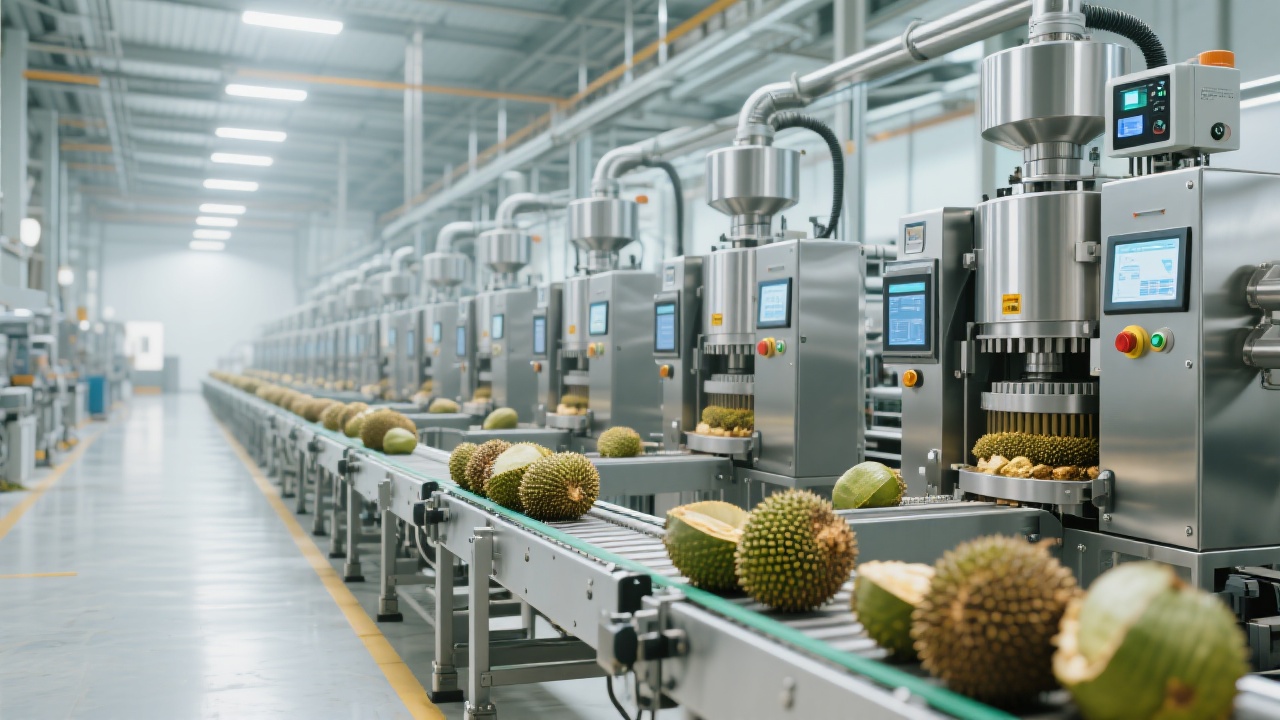
Sensor monitoring setup in automated palm kernel oil refining equipment

Industry decision-makers seeking to elevate their edible oil production lines will find that investing in such automation technologies contributes directly to improved product quality, reduced operational costs, and enhanced compliance with environmental standards.
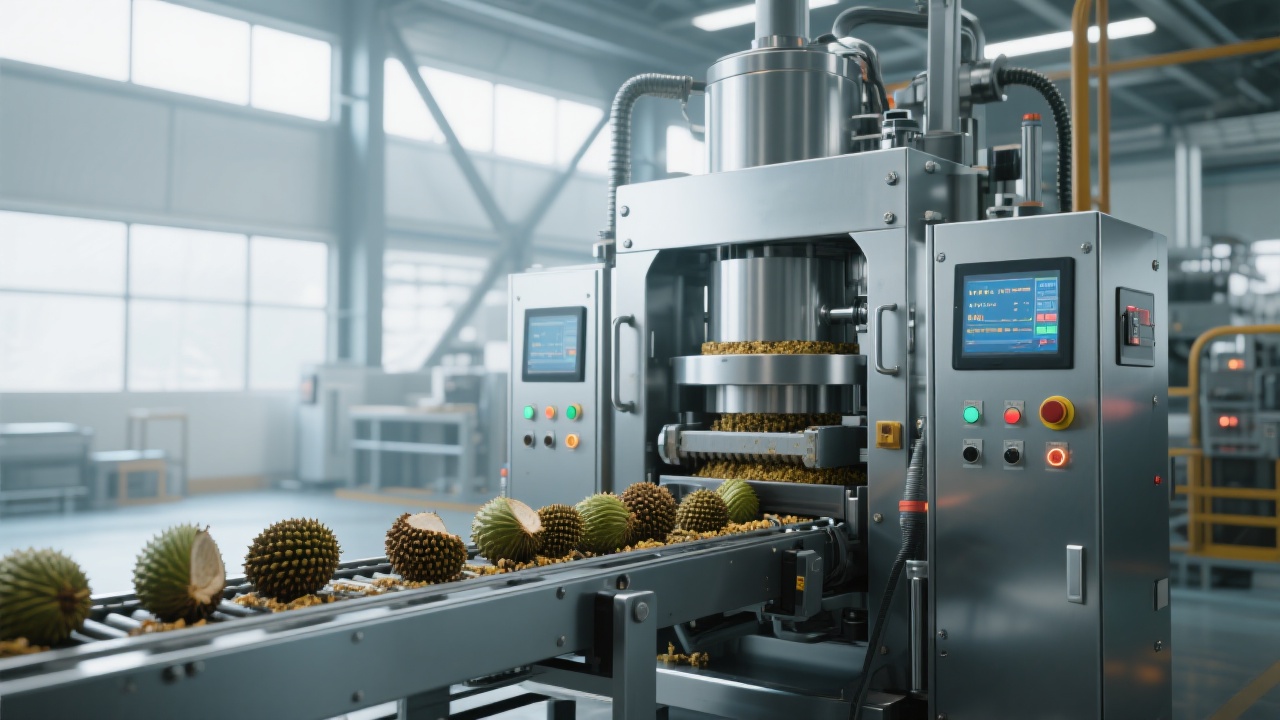
PLC control panel display demonstrating process management

Beyond the immediate production benefits, Penguin Group accompanies its automation solutions with comprehensive after-sales services, from installation commissioning to personalized operator training — ensuring a seamless transition and sustainable operational advantages.
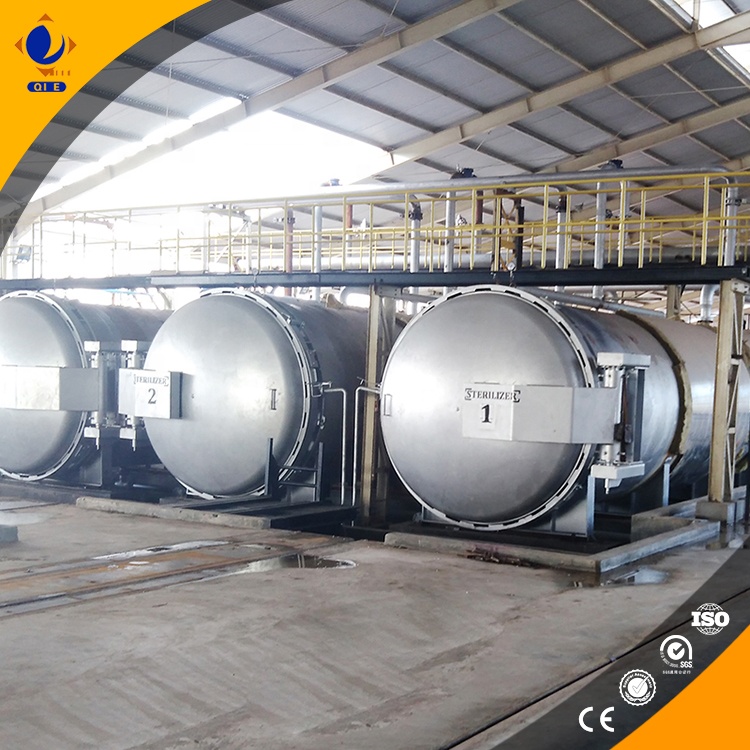
HMI interface screen with real-time process visualization and alarms

Reflecting on these advancements, the adoption of automated control systems represents a tangible leap towards greener, smarter, and more competitive palm kernel oil manufacturing.

Name *
Email *
WhatsApp *
Message*

Recommended Products

Related Reading

Importance and Implementation of Equipment Maintenance and Safety Protocols in Small-Scale Palm Oil Refining

2025-11-26 | https://shmuker.oss-accelerate.aliyuncs.com/tmp/temporary/60ec5bd7f8d5a86c84ef79f2/60ec5bdcf8d5a86c84ef7a9a/20240305160636/lable.png small-scale palm oil refining mini palm oil refining equipment equipment maintenance and safety PLC control system palm oil production process

Modular Palm Oil Refining Equipment vs. Traditional Fixed Equipment: A Rational Purchasing Reference for Export Customers

2025-11-06 | https://shmuker.oss-accelerate.aliyuncs.com/tmp/temporary/60ec5bd7f8d5a86c84ef79f2/60ec5bdcf8d5a86c84ef7a9a/20240305160636/lable.png Modular palm oil refining equipment Small and medium - sized palm oil equipment Palm oil equipment energy - saving technology Equipment installation flexibility Palm oil production expansion plan

Global Palm Oil Refining Industry: Latest Technological Trends and Standard Regulations Interpretation, Building Cutting - edge Production Advantages

2025-09-16 | https://shmuker.oss-accelerate.aliyuncs.com/tmp/temporary/60ec5bd7f8d5a86c84ef79f2/60ec5bdcf8d5a86c84ef7a9a/20240305160636/lable.png Palm oil refining production line Palm oil equipment selection Palm oil process analysis Small and medium - sized palm oil production lines Grain and oil processing solutions

How to Achieve Steam Consumption Below 300 kg/ton in Palm Oil Refining: A Technical Guide to Energy-Efficient Processing

2025-08-21 | https://shmuker.oss-accelerate.aliyuncs.com/tmp/temporary/60ec5bd7f8d5a86c84ef79f2/60ec5bdcf8d5a86c84ef7a9a/20240305160636/lable.png palm oil refining equipment steam consumption optimization energy-efficient oil processing CE certified palm oil machinery automated palm oil refining system

Durable Material Selection and Lifespan Prediction for Core Components in Palm Oil Processing Equipment under Unstable Power Supply

2026-01-09 | https://shmuker.oss-accelerate.aliyuncs.com/tmp/temporary/60ec5bd7f8d5a86c84ef79f2/60ec5bdcf8d5a86c84ef7a9a/20240305160636/lable.png palm oil processing equipment wide voltage input technology wear-resistant materials selection equipment lifespan prediction oil mill machinery Nigeria

Hot Products

Popular articles
Hcc0e619e4133444c862490fe11e2a78bn.jpg
营销主题配图_1751610389289.jpg
H7643a2407b804deca871761d129b24923.jpg
H41335d7e03e24f558f0bd490d8729ba7t.jpg
img
img
Ha704a63f0159415a8d5551044726ba47e.jpg
H8419363f2809471187125604672fdcedK.jpg
Hadcdb548d76c4ae386538554355924afr.jpg
H04738581fe464b58ab26e84aef0bb7cbT.jpg
Recommended Reading
Contact us
Contact us
https://shmuker.oss-accelerate.aliyuncs.com/tmp/temporary/60ec5bd7f8d5a86c84ef79f2/60ec5bdcf8d5a86c84ef7a9a/thumb-prev.png