

If your business operates a small edible oil plant processing about 10 tons of palm kernel oil per day, embracing automated control technology could be a game changer. Traditional manual refining methods often grapple with inconsistent product quality, high energy consumption, and frequent equipment downtime. However, automation doesn’t just cut down these pain points—it revolutionizes your entire refining process, driving tangible improvements in efficiency, operational stability, and cost savings.
Manual control systems rely heavily on operator experience and real-time decision-making, which inevitably introduces human error and delays. In a typical manual small-scale refining line, downtime caused by faults or improper adjustments can exceed 8 hours monthly, directly impacting production schedules. Moreover, energy inefficiency leads to up to 15% higher fuel consumption compared to automated setups due to imprecise temperature and flow control.
The backbone of smart palm kernel oil refining systems combines three synergistic modules:
Together, these components form a closed-loop control system that consistently maintains the refining conditions within optimal thresholds, ensuring superior oil quality and minimal waste.
Consider a case where a small-scale palm kernel oil processor in West Africa integrated an automated control system tailored for their local conditions. The outcomes were striking:
This example underscores automation’s adaptability and reliability even in remote or resource-constrained environments, where manual oversight is challenging.
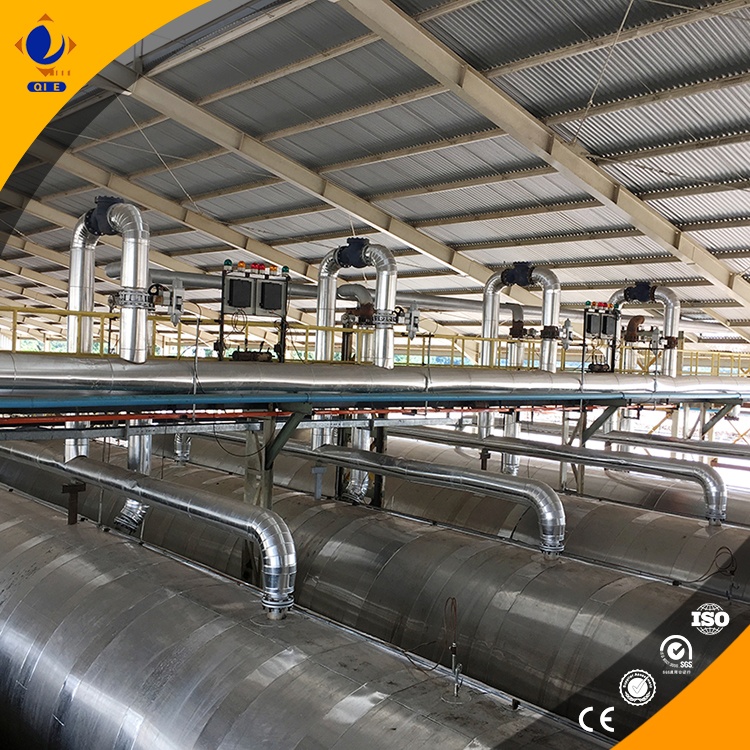
From an operational standpoint, automation simplifies your process in several critical ways:
This closed feedback loop enables prompt corrections, reducing the risk of quality deviations or energy waste.
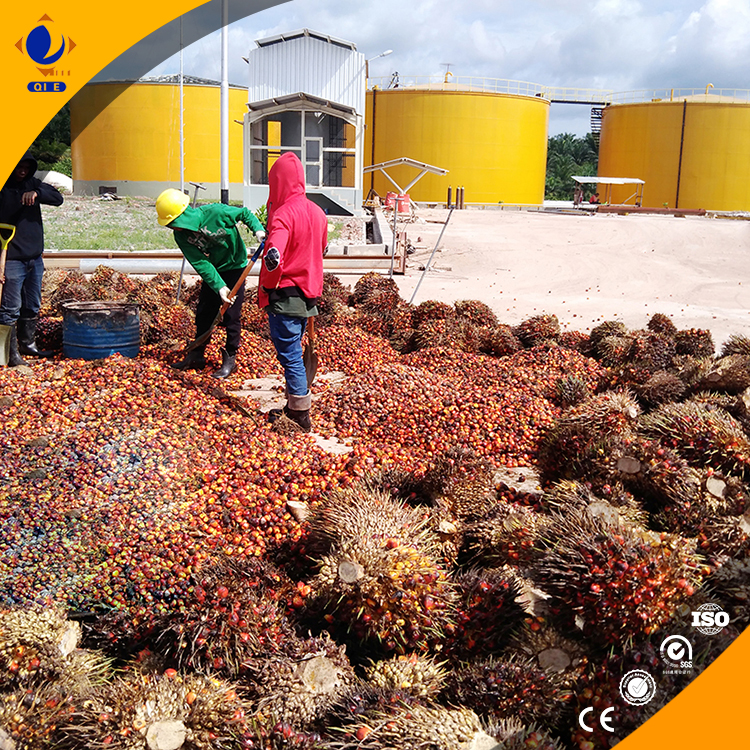
Automated refining systems aren’t only about meeting production targets—they align with green and sustainable manufacturing goals. By fine-tuning energy usage and minimizing oil waste, your enterprise contributes to:
In short, let every kilowatt-hour count—not merely saving energy but ensuring stable, consistent production that empowers your business and safeguards the planet.
• Begin with a thorough audit of your current refining parameters and common failure modes.
• Invest in high-quality sensors and programmable controllers adaptable to your plant environment.
• Train your operators to interpret HMI indicators, emphasizing proactive rather than reactive maintenance.
• Integrate remote monitoring where possible to accelerate response times.
 palm oil refining process parameters
refining process optimization for palm oil
palm oil quality control techniques
small scale palm oil processing equipment
deodorization in palm oil refining
Modular palm oil refining equipment
Small and medium - sized palm oil mills
Palm oil capacity expansion
Advantages of carbon steel equipment
Energy efficiency of national patented technology
modular palm oil refining equipment
small and medium palm oil factories
palm oil refining technology
carbon steel refining equipment
energy-efficient palm oil processing
Palm oil refiner operation process
Palm oil refining equipment maintenance
Small - scale palm oil production line
Economical refiner usage skills
Palm oil processing equipment safety operation
PLC control system for palm oil refining
automated palm oil processing
palm oil refining optimization
small scale palm oil production
smart automation in oil refining
palm oil refining process parameters
refining process optimization for palm oil
palm oil quality control techniques
small scale palm oil processing equipment
deodorization in palm oil refining
Modular palm oil refining equipment
Small and medium - sized palm oil mills
Palm oil capacity expansion
Advantages of carbon steel equipment
Energy efficiency of national patented technology
modular palm oil refining equipment
small and medium palm oil factories
palm oil refining technology
carbon steel refining equipment
energy-efficient palm oil processing
Palm oil refiner operation process
Palm oil refining equipment maintenance
Small - scale palm oil production line
Economical refiner usage skills
Palm oil processing equipment safety operation
PLC control system for palm oil refining
automated palm oil processing
palm oil refining optimization
small scale palm oil production
smart automation in oil refining



.png?x-oss-process=image/resize,h_100,m_lfit/format,webp)
.png?x-oss-process=image/resize,h_100,m_lfit/format,webp)
.png?x-oss-process=image/resize,h_100,m_lfit/format,webp)


