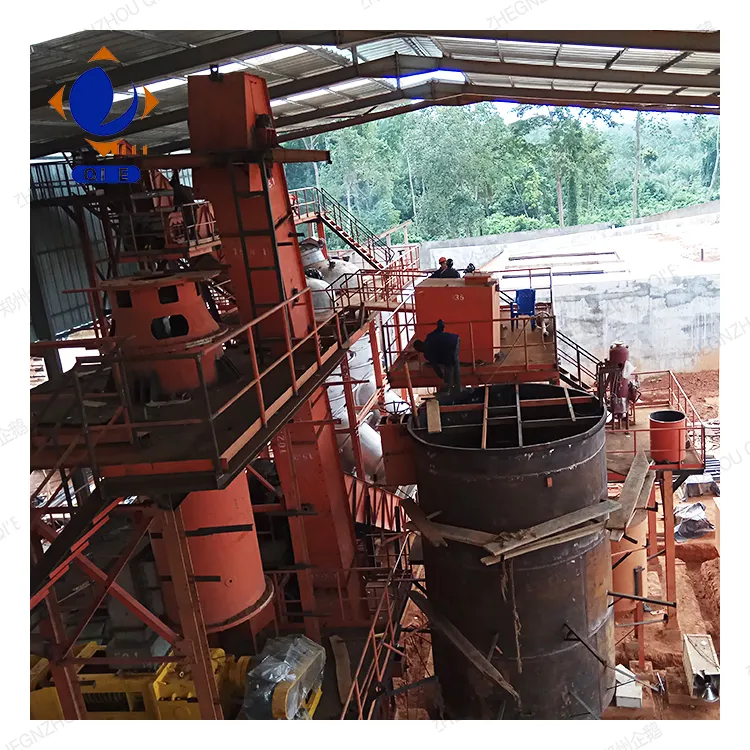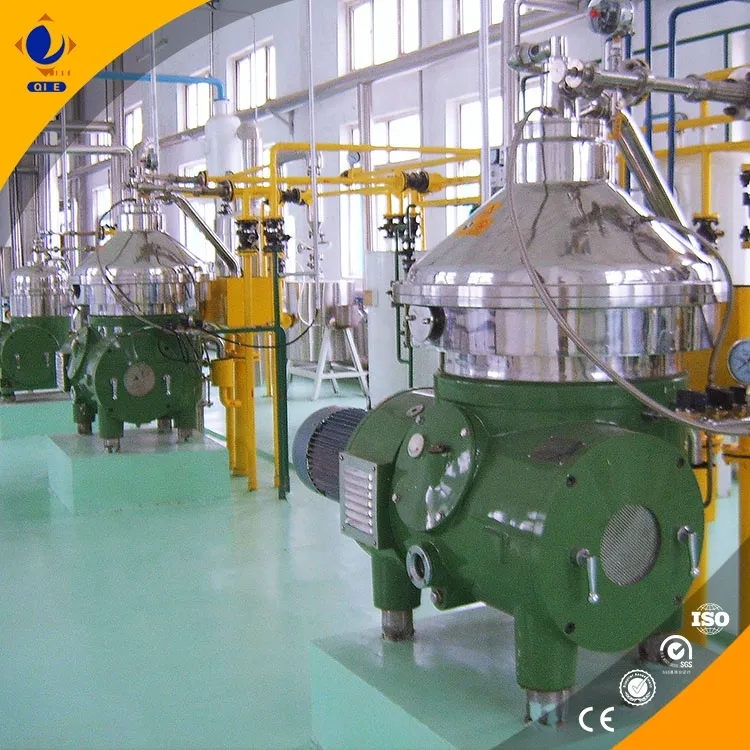
Across Nigeria and much of Africa, small and medium-sized palm oil processing plants grapple with rising labor costs and operational inconsistencies. Labor expenses can account for as much as 30-40% of total production costs in these plants, affecting profitability and competitiveness. Additionally, manual processing methods often lead to irregular oil quality and safety concerns, undermining buyer confidence in local products.
Introducing Programmable Logic Controller (PLC) automation systems can revolutionize these operations by reducing human intervention from raw material pre-treatment to final product packaging. A well-integrated PLC system enables closed-loop control, minimizing human errors and ensuring consistent oil quality.
For instance, compared to manual operations, automation can decrease labor needs by up to 50%, enabling smaller teams to maintain or boost output levels without compromising safety or compliance standards. Moreover, automation facilitates precise control over processing parameters like temperature and pressure, critical for stable oil yield and quality.
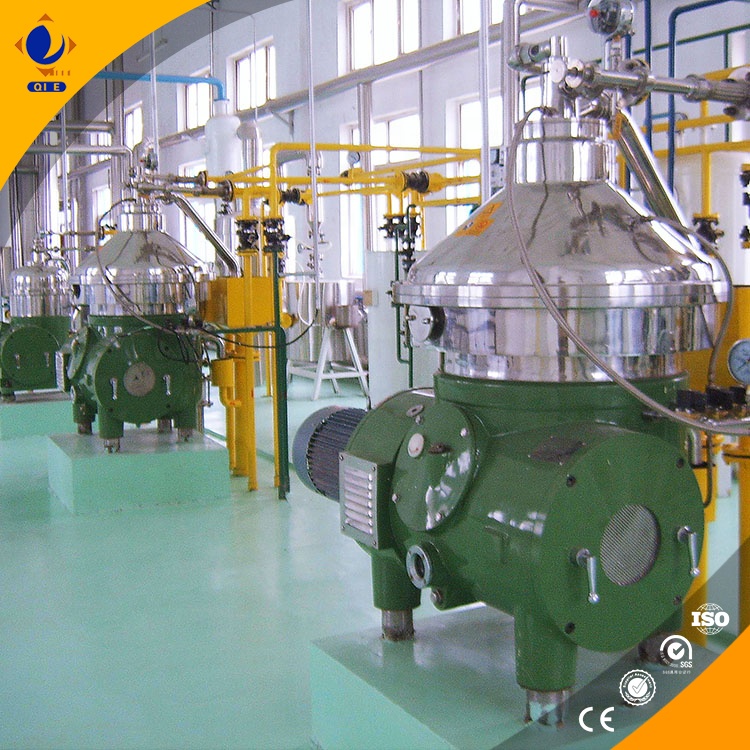
1. Raw Material Pre-Treatment: PLC controls machinery such as fruit sterilizers and threshers, managing parameters like heating time and speed to prepare fruit without damage. Automated timing reduces downtime and increases throughput efficiency.
2. Refining Process: The system manages heating elements, mixing rates, and filtration cycles, employing smart sensors for real-time adjustments that align with varying fruit qualities. This ensures consistent oil color and purity.
3. Filling and Packaging: PLC-guided filling machines regulate volume precisely, reduce spillage, and automate sealing, improving hygiene and product shelf life.
Different palm fruit batches require distinct processing conditions. Combining hot and cold pressing techniques yields optimized oil extracts based on fruit ripeness and moisture. PLC systems adapt processing parameters dynamically through programmed logic, responding to sensor inputs for temperature and pressure.
For example, a smart control loop lowers temperature when dealing with fresher fruit to preserve nutrient content, while increasing pressure during cold pressing enhances oil extraction efficiency. This tailored approach contributes to both higher oil yields and improved product quality consistency.
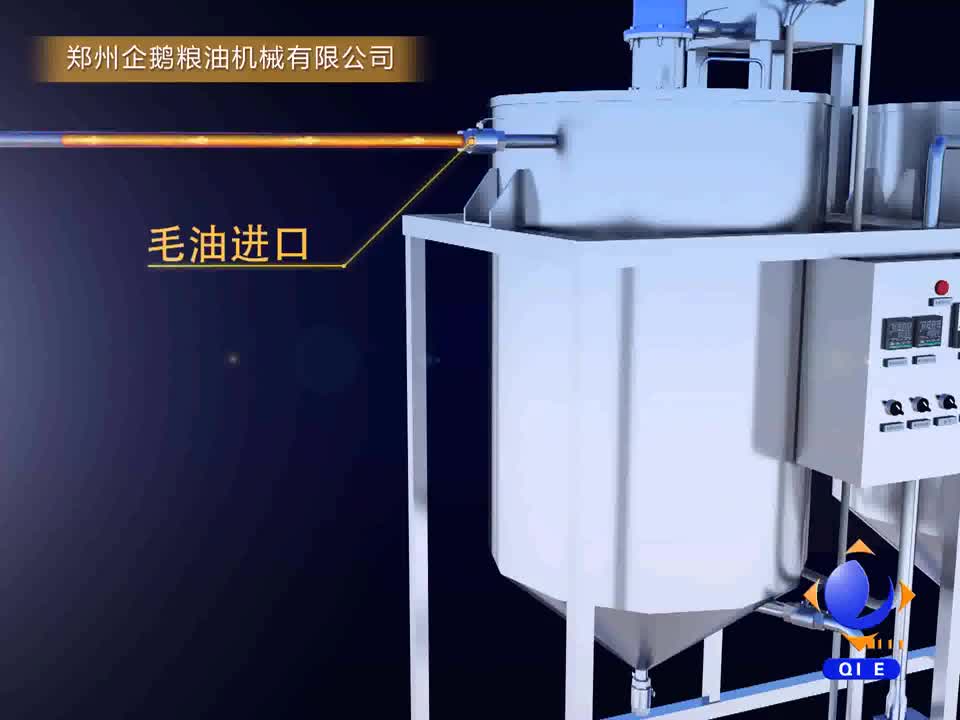
Successful automation depends on effective upkeep. Routine maintenance checklists include sensor calibration, lubrication of mechanical components, and periodic software updates to avoid downtime. Rapid alarm response protocols improve system reliability by instantly flagging anomalies like temperature spikes or conveyor jams.
Operating in energy-saving modes during low-demand periods further trims operating costs by up to 15%, conserving power without compromising processing speed or quality. Such function settings are programmed into the PLC and can be scheduled according to plant workload forecasts.
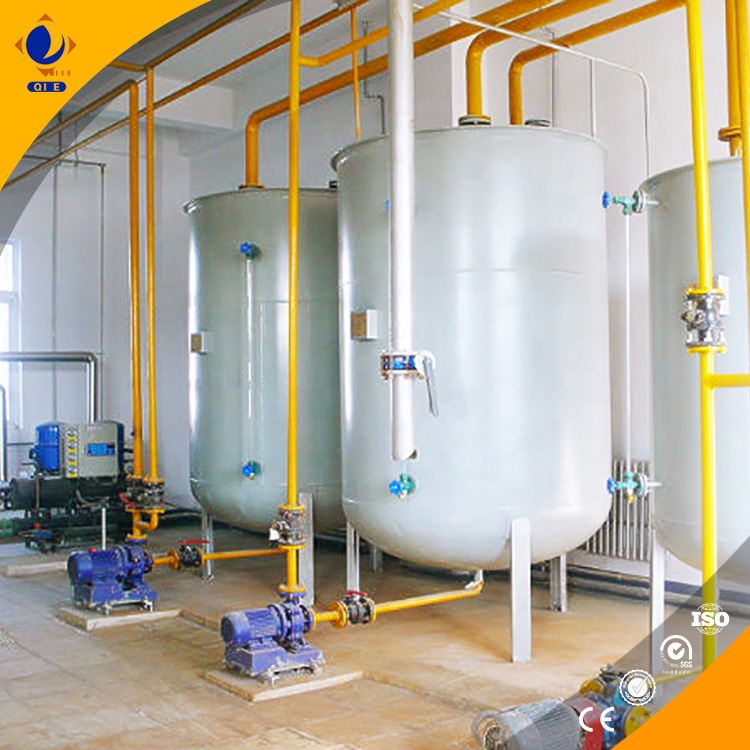
“Automation adoption in African palm oil processing is projected to reduce overall costs by 20-25% over five years, while enhancing compliance with international quality standards.” — Industry Report, African AgroTech Forum 2023
 Economical palm oil refining machine
Palm oil refining process
Small - scale palm oil production line
Refining equipment maintenance
Operation of grain and oil processing equipment
economical palm oil refining line
small and medium palm oil processing equipment
palm oil production efficiency case
full-process automated palm oil refining
palm oil processing solutions
Small-scale palm oil refining process
Palm oil degumming and deacidification process
PLC-controlled refining equipment
Practical guide for small oil mills
Palm oil refining parameter settings
palm oil refining process
small scale palm oil plant
palm oil refining equipment
palm oil deodorization
B2B palm oil export
Small and medium-sized palm oil mill equipment selection
High - efficiency energy - saving refining equipment
Palm oil refining process optimization
PLC control system application
Low - energy consumption oil processing
Economical palm oil refining machine
Palm oil refining process
Small - scale palm oil production line
Refining equipment maintenance
Operation of grain and oil processing equipment
economical palm oil refining line
small and medium palm oil processing equipment
palm oil production efficiency case
full-process automated palm oil refining
palm oil processing solutions
Small-scale palm oil refining process
Palm oil degumming and deacidification process
PLC-controlled refining equipment
Practical guide for small oil mills
Palm oil refining parameter settings
palm oil refining process
small scale palm oil plant
palm oil refining equipment
palm oil deodorization
B2B palm oil export
Small and medium-sized palm oil mill equipment selection
High - efficiency energy - saving refining equipment
Palm oil refining process optimization
PLC control system application
Low - energy consumption oil processing






.png?x-oss-process=image/resize,h_100,m_lfit/format,webp)
.png?x-oss-process=image/resize,h_100,m_lfit/format,webp)
.png?x-oss-process=image/resize,h_100,m_lfit/format,webp)