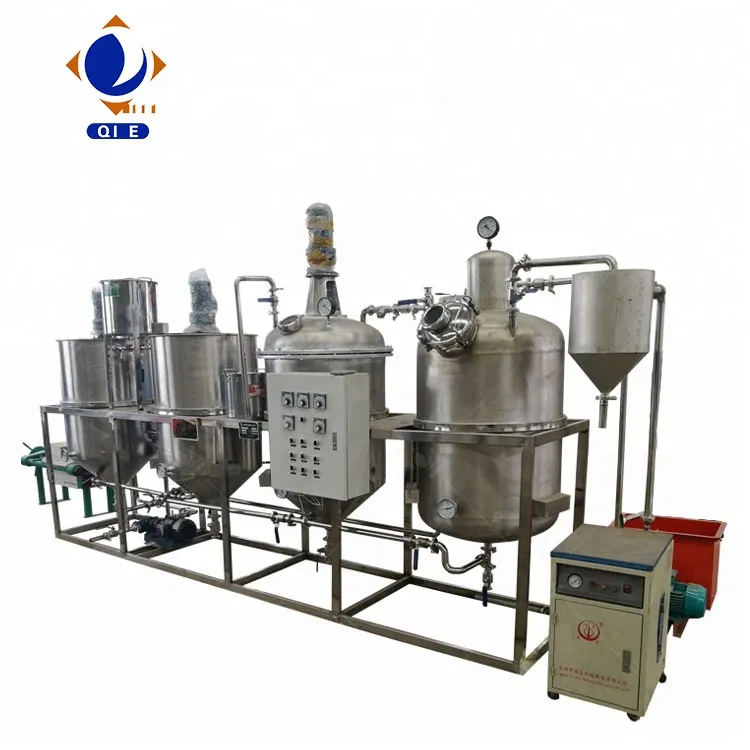
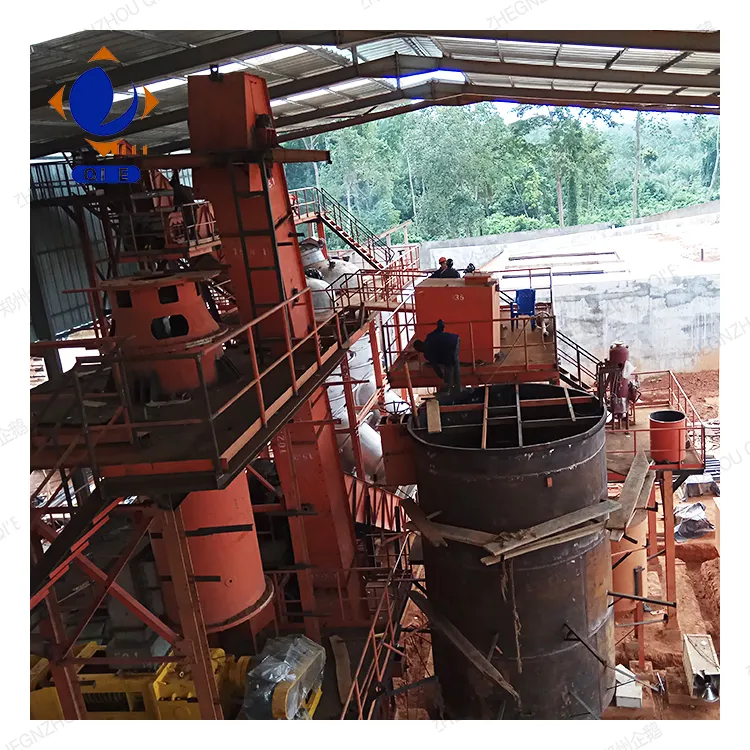
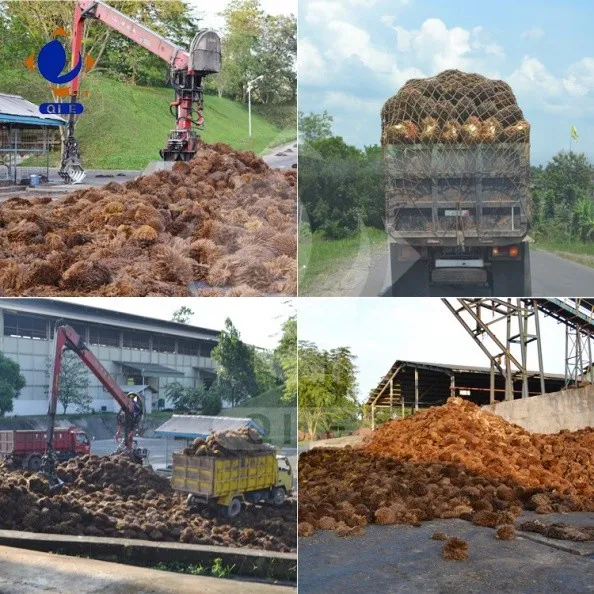
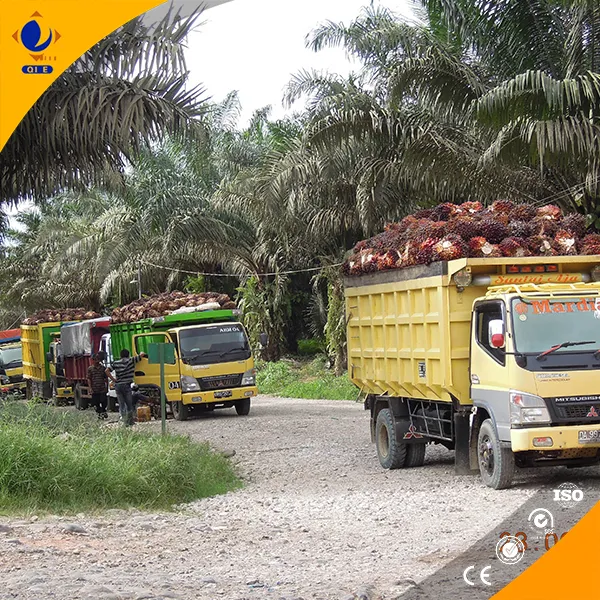
Your factory in Africa, like many other small and medium-sized oil mills, is likely grappling with high labor costs and inconsistent operational practices. In Nigeria, for instance, the escalating wages and lack of standardized procedures have become significant hurdles for palm oil processing plants. According to industry reports, labor costs can account for up to 40% of the total production expenses in these African oil mills. Moreover, manual operations often lead to errors, resulting in product quality variations and compliance issues.
The PLC (Programmable Logic Controller) automatic control system emerges as a game - changer in addressing these challenges. In the pre - treatment stage of oil refining, it can precisely control the temperature and time of raw material cleaning and conditioning. For example, by adjusting the conveyor speed and the intensity of the cleaning equipment, it ensures that the raw palm fruits are properly prepared for the subsequent processes. In the refining process, the PLC system monitors and regulates parameters such as pressure, temperature, and chemical dosages, ensuring that the impurities are effectively removed while maintaining the nutritional value of the oil. During the filling stage, it can accurately measure and control the volume of each container, reducing waste and ensuring consistent product quantity.
The cold and hot pressing processes have different requirements for parameter control. In the cold - pressing process, the PLC system can maintain a low and stable temperature to preserve the natural flavor and nutrients of the palm oil. It analyzes factors such as the moisture content of the raw materials and the hardness of the palm fruits to adjust the pressing pressure in real - time. In the hot - pressing process, it can accurately control the heating rate and peak temperature. By optimizing these parameters, the system can improve the oil extraction rate by up to 10% and significantly enhance the product quality, ensuring that each batch of oil meets the same high - quality standards.
To match the process route with the characteristics of raw materials, you need to consider several factors. For palm fruits with high moisture content, a longer pre - drying stage can be added to the process. The PLC system can be configured to adjust the drying time and temperature according to the real - time moisture measurement. For raw materials with different fiber contents, the pressing pressure and the gap between the pressing plates can be adjusted accordingly. By doing so, you can increase the production efficiency by up to 20% and reduce the energy consumption.
Regular maintenance is crucial for the stable operation of the PLC system. A daily maintenance list should include checking the power supply, inspecting the wiring connections, and cleaning the sensors. For common alarms, such as over - temperature or over - pressure alarms, a clear handling procedure should be established. For example, when an over - temperature alarm occurs, the system can automatically reduce the heating power and start the cooling mechanism. By following these maintenance and alarm handling procedures, you can minimize downtime and extend the service life of the equipment.
Automation brings significant compliance advantages. In today's international market, there is a growing trend towards green and sustainable production. The PLC - controlled automation system can precisely control the use of chemicals and energy consumption, reducing the environmental impact. It also ensures that the production process meets international quality and safety standards. With the automation system, your factory can produce palm oil that is more compliant with international regulations, opening up new opportunities in the global market.
In conclusion, the automation transformation of your African oil mill using the PLC control system is a practical solution to the high labor cost and operational non - compliance issues. It can help you achieve a more efficient, green, and safe production process. Learn more about automation transformation solutions to take your factory to the next level.
 High - efficiency and energy - saving palm oil refining equipment
Equipment selection for small and medium - sized palm oil mills
Palm oil refining energy consumption standards
PLC - controlled palm oil equipment
Palm oil production automation solutions
small-scale palm oil refining line solutions
cost-effective palm oil refining equipment
fully automated palm oil processing line
palm oil machinery for SMEs
integrated palm fruit pressing and refining
Palm oil refiner operation process
Palm oil refining equipment maintenance
Small - scale palm oil production line
Economical refiner usage skills
Palm oil processing equipment safety operation
palm oil refining machine maintenance
small palm oil processing plant
refinery equipment troubleshooting
palm oil processing equipment保养
PLC control system maintenance
Palm oil refining equipment
Small and medium - sized palm oil mills
Energy - saving equipment selection
PLC intelligent control
Production efficiency improvement
High - efficiency and energy - saving palm oil refining equipment
Equipment selection for small and medium - sized palm oil mills
Palm oil refining energy consumption standards
PLC - controlled palm oil equipment
Palm oil production automation solutions
small-scale palm oil refining line solutions
cost-effective palm oil refining equipment
fully automated palm oil processing line
palm oil machinery for SMEs
integrated palm fruit pressing and refining
Palm oil refiner operation process
Palm oil refining equipment maintenance
Small - scale palm oil production line
Economical refiner usage skills
Palm oil processing equipment safety operation
palm oil refining machine maintenance
small palm oil processing plant
refinery equipment troubleshooting
palm oil processing equipment保养
PLC control system maintenance
Palm oil refining equipment
Small and medium - sized palm oil mills
Energy - saving equipment selection
PLC intelligent control
Production efficiency improvement


.png?x-oss-process=image/resize,h_100,m_lfit/format,webp)
.png?x-oss-process=image/resize,h_100,m_lfit/format,webp)
.png?x-oss-process=image/resize,h_100,m_lfit/format,webp)