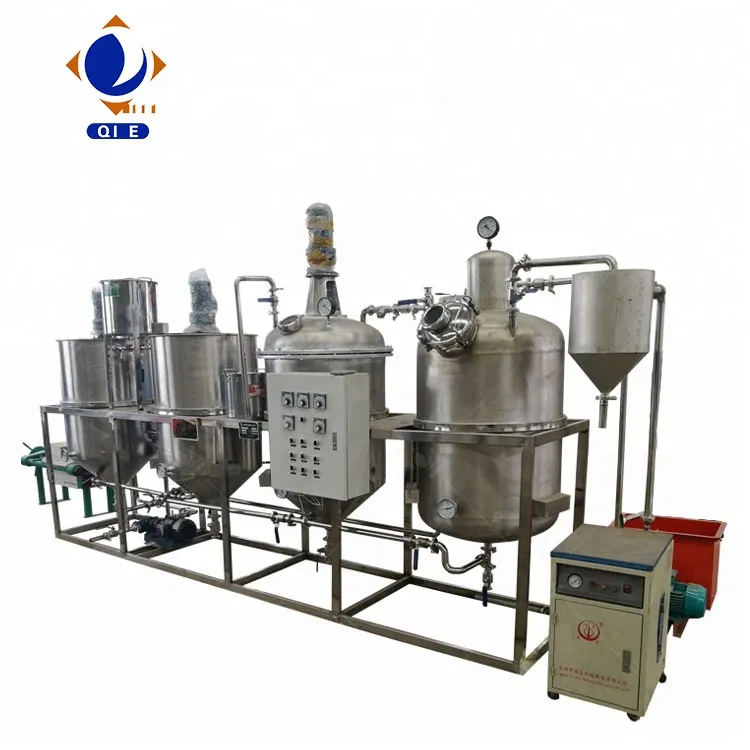
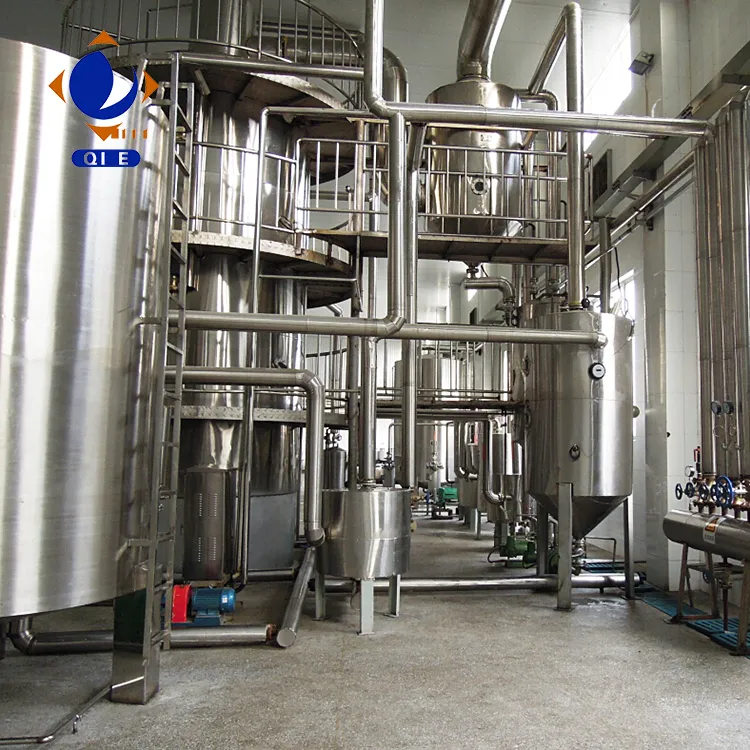
For small to medium edible oil producers, maintaining high-quality output while controlling operational costs is a constant challenge. Traditional manual operations often lead to inconsistent product quality, excessive energy consumption, and frequent downtime. But what if your 10 tons/day palm kernel oil refining equipment could overcome these hurdles with intelligent automation?
In conventional palm kernel oil refining lines, manual monitoring exposes your production to significant fluctuations in temperature, pressure, and flow rates. These variations result in:
Such inefficiencies can increase operational costs by 10-15% annually and reduce overall production capacity by up to 12%.
Automated control systems integrate three core modules to revolutionize your refining process:
Temperature, pressure, and flow sensors continuously gather real-time data on critical refining stages. This eliminates operator guesswork and ensures your refining parameters stay within optimal ranges.
A Programmable Logic Controller (PLC) executes automatic start-stop sequences, safety interlocks, and fault alarms. It instantly reacts to deviations, minimizing human intervention and preventing catastrophic errors.
The Human-Machine Interface (HMI) offers a user-friendly dashboard featuring trend charts, status indicators, and alarm pop-ups. Operators can quickly assess line performance and priority issues without ambiguity.
Let every drop be purer and every minute more efficient—this is the power of automation.
Deploying automation on your 10 tons/day palm kernel oil refinery can produce measurable improvements:
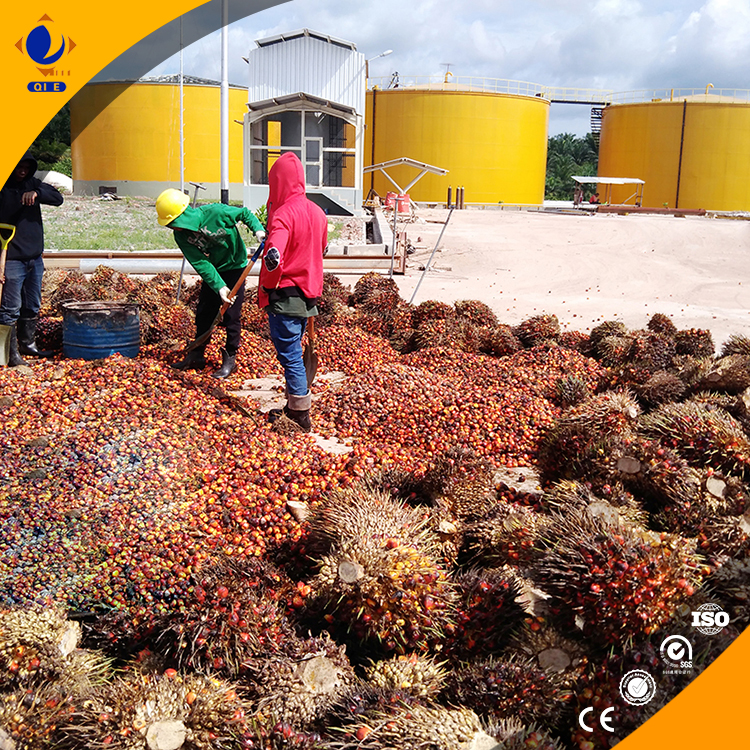
To maximize these advantages, consider the following steps:
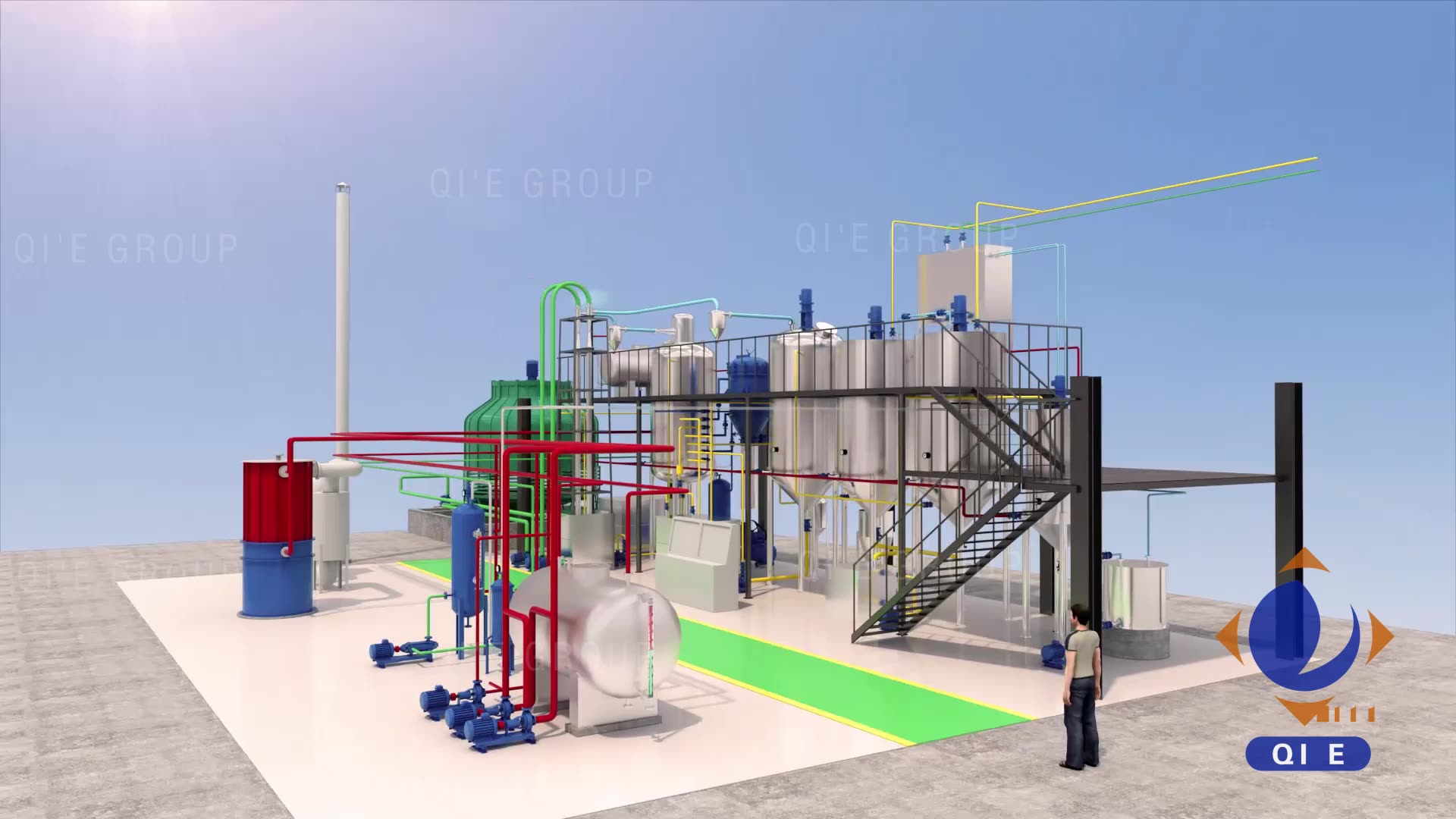
When your system flags issues, follow this quick checklist to minimize downtime:
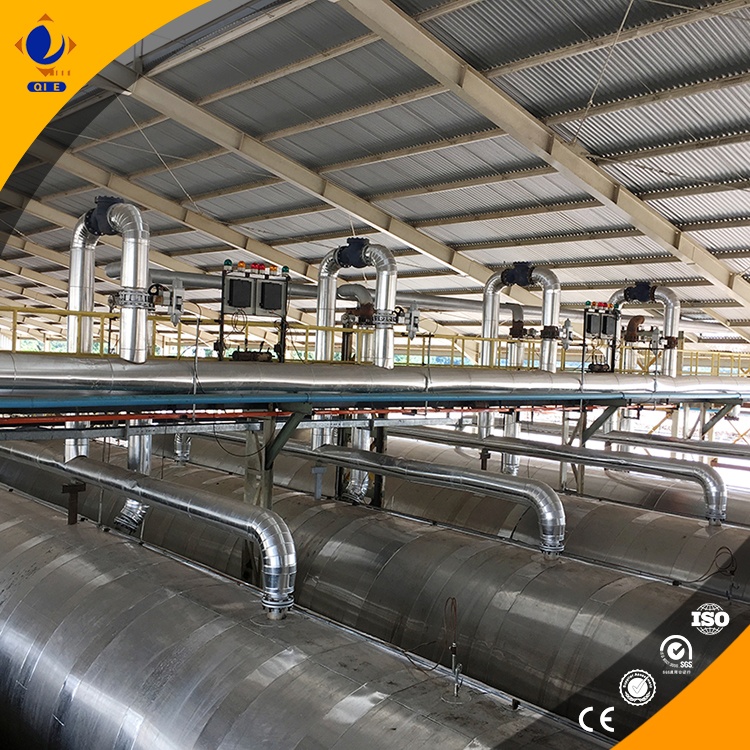
Is your palm kernel oil refining equipment equipped with automated alarm systems? Share your experiences and challenges in the comments below to connect with peers driving smart production.
 palm oil refining process
small scale palm oil production
palm oil refining equipment
palm oil deodorization
palm oil quality optimization
Modular palm oil refining equipment
Small and medium-sized palm oil production
Palm oil equipment energy-saving technology
Carbon steel material equipment
Palm oil equipment expansion plan
Palm oil refining equipment
Small and medium - sized palm oil production lines
Full - process automation
Production efficiency improvement
Climate adaptability
modular palm oil refining equipment
small and medium palm oil processing
green manufacturing palm oil
energy-efficient palm oil equipment
carbon steel palm oil refinery
palm oil refining equipment
energy-efficient refining solutions
PLC intelligent control system
small and medium palm oil mills
low energy consumption technology
palm oil refining process
small scale palm oil production
palm oil refining equipment
palm oil deodorization
palm oil quality optimization
Modular palm oil refining equipment
Small and medium-sized palm oil production
Palm oil equipment energy-saving technology
Carbon steel material equipment
Palm oil equipment expansion plan
Palm oil refining equipment
Small and medium - sized palm oil production lines
Full - process automation
Production efficiency improvement
Climate adaptability
modular palm oil refining equipment
small and medium palm oil processing
green manufacturing palm oil
energy-efficient palm oil equipment
carbon steel palm oil refinery
palm oil refining equipment
energy-efficient refining solutions
PLC intelligent control system
small and medium palm oil mills
low energy consumption technology






.png?x-oss-process=image/resize,h_100,m_lfit/format,webp)
.png?x-oss-process=image/resize,h_100,m_lfit/format,webp)
.png?x-oss-process=image/resize,h_100,m_lfit/format,webp)