Home > News > Selecting 1 Ton/Day Automatic Palm Oil Refining Machines: Key Insights on Capacity and Automation

Selecting 1 Ton/Day Automatic Palm Oil Refining Machines: Key Insights on Capacity and Automation

QI ' E Group
2026-04-16
Tutorial Guide
This comprehensive guide explores the essential factors in choosing a 1 ton/day automatic palm oil refining machine, focusing on processing capacity, advanced automation control systems, environmental compliance, and ease of maintenance. It highlights the benefits of intelligent design and energy-saving technologies, supplemented by real-world industry case studies to help users accurately assess equipment performance and minimize procurement risks. By leveraging these insights, businesses can achieve efficient production, maximize return on investment, and secure a competitive edge in palm oil refining. Presented by Penguin Group.
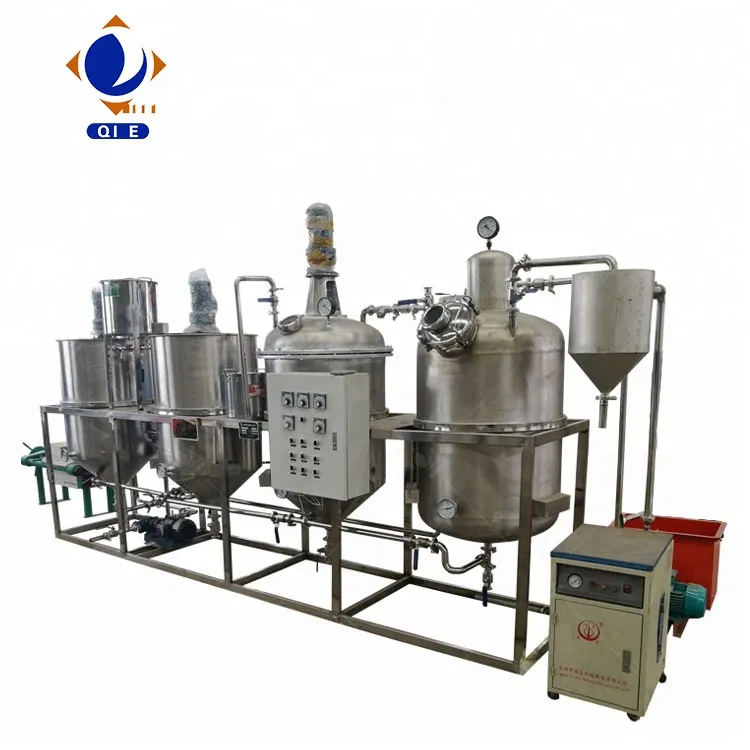
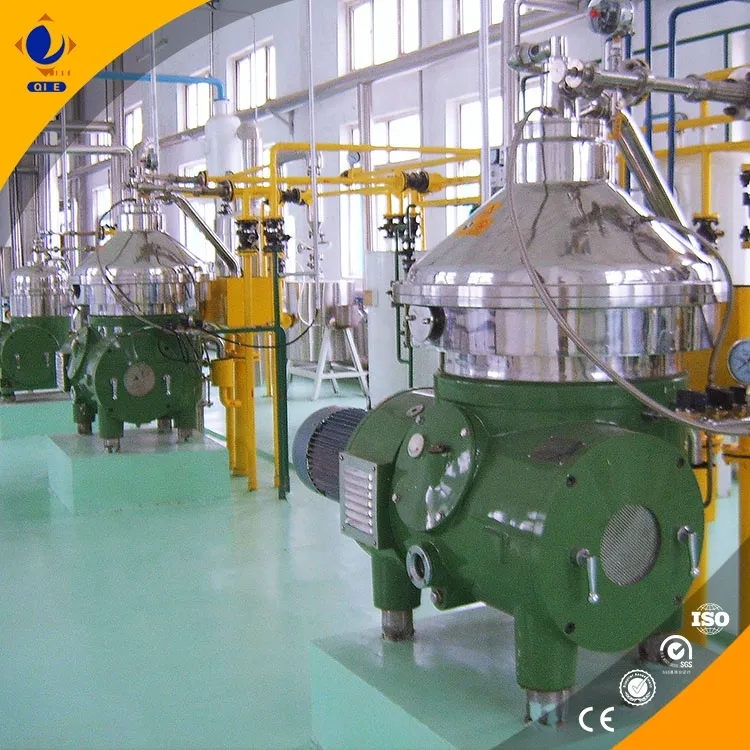
Automated control panel of a 1 ton/day palm oil refining machine

Selecting the Right 1 Ton/Day Automatic Palm Oil Refining Machine: Key Factors Uncovered

In the competitive palm oil processing industry, choosing the ideal refining equipment is critical to ensuring product quality, operational efficiency, and sustainable profitability. For enterprises targeting a processing capacity of approximately 1 ton/day, the decision-making process can be complex due to the interplay of multiple technical and economic factors. This comprehensive guide by Penguin Group presents a detailed analysis of how to select an automatic palm oil refining machine with a focus on processing capacity, automation control systems, energy-saving design, and maintenance convenience. These insights empower professionals to minimize procurement risks and maximize return on investment.

Understanding Processing Capacity: The Backbone of Equipment Performance

The processing capacity is the foremost criterion, referring to the quantity of crude palm oil the machine can effectively refine within 24 hours. For a 1 ton/day specification, this translates roughly into machines engineered to handle 1000 kilograms continuously, with an operational uptime of 20-22 hours per day.

When evaluating this capacity, users should consider:

  • Throughput Consistency: Machines must maintain stable performance without frequent stoppages.
  • Adjustable Flow Rates: Flexibility in adjusting throughput between 0.8 to 1.2 tons/day accommodates varying raw material availability.
  • Refining Depth: Adequate removal of free fatty acids (FFA), phosphatides, and impurities is essential to meet quality standards.

Reference Data: High-quality 1 ton/day units typically achieve acid value reduction from 6 to under 0.1 mg KOH/g within a single refining cycle lasting 5-6 hours, with oil loss kept under 2%. This ensures efficiency without sacrificing yield.

Automation Control System: Enhancing Precision and Reducing Labor Dependence

Advanced automatic palm oil refining machines incorporate intelligent control systems that regulate temperature, flow rate, vacuum pressure, and chemical dosing with high accuracy. The benefits include:

  • Minimized human error: Automated sequences reduce operational mistakes, maintaining consistent product quality.
  • Remote Monitoring Capability: Integration with SCADA or PLC interfaces enables remote supervision, data logging, and real-time troubleshooting.
  • Energy Efficiency: Automation optimizes heating and vacuum parameters, reducing unnecessary energy consumption by up to 15% compared to manual systems.

Many machines incorporate touchscreen HMI (Human-Machine Interface) panels featuring multilingual support and fault alarms, facilitating ease of use for operators with varying experience levels.
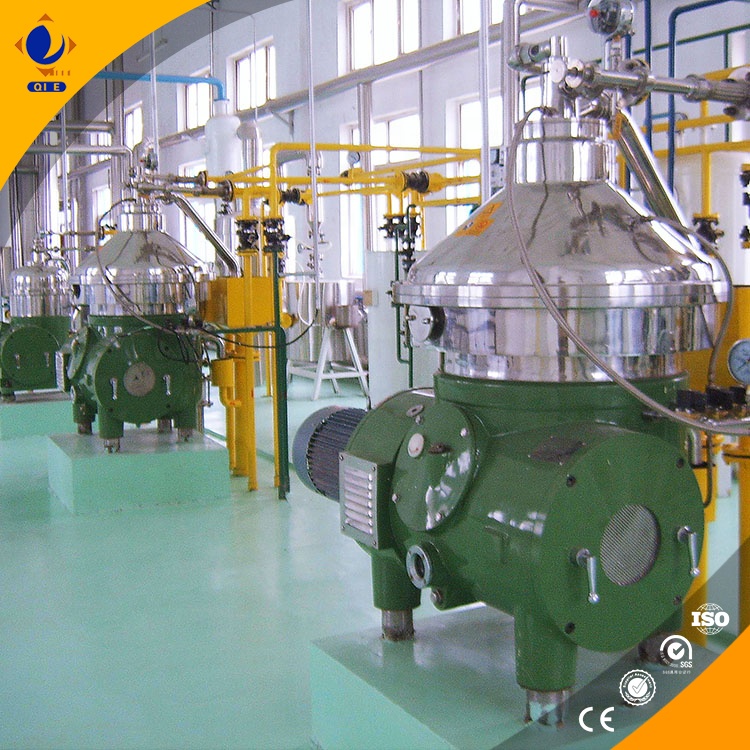
Automated control panel of a 1 ton/day palm oil refining machine

Energy Saving and Environmental Compliance: A Growing Market Imperative

Environmental regulations and corporate social responsibility increasingly compel manufacturers to prefer equipment with advanced energy-saving technologies and reduced emissions.

Key design features to examine include:

  • Heat recovery systems: Reuse of waste heat can lower fuel consumption by 10-20%.
  • Vacuum pumps and condensers: Modern vacuum pumps minimize oil oxidation and environmental odors.
  • Wastewater handling: Integrated oil-water separation and effluent treatment options reduce environmental impact.

A typical 1 ton/day machine compliant with international standards often reports overall energy usage between 15-20 kWh per ton processed, aligning with eco-friendly production goals.

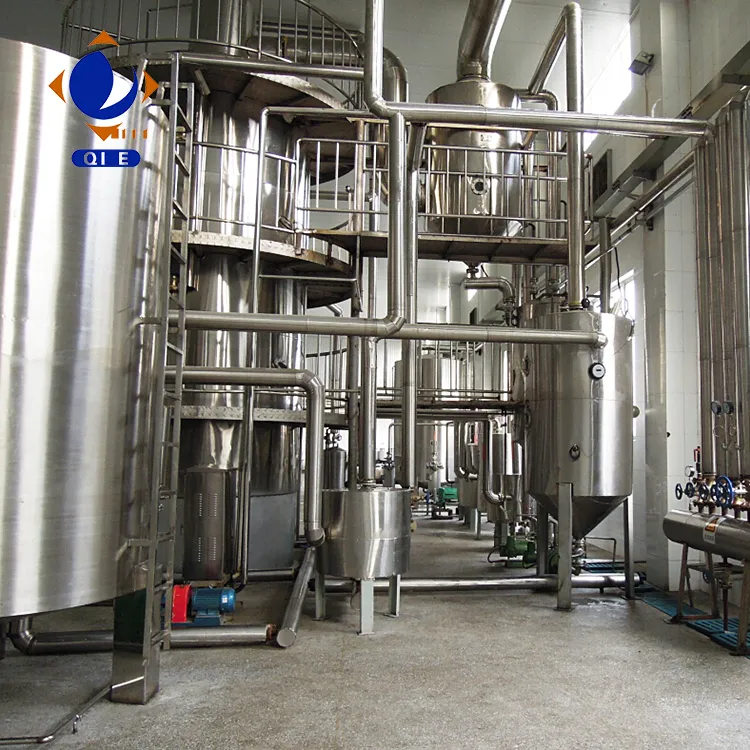
Eco-friendly palm oil refining equipment with energy-saving features

Maintenance Convenience: Ensuring Long-Term Reliability and Minimal Downtime

Operational continuity hinges on straightforward maintenance and rapid troubleshooting capabilities. Important factors include:

  • Modular design: Facilitate quick replacement of key components such as filters, pumps, and valves.
  • Accessible cleaning mechanisms: Automatic flushing systems or easily detachable parts speed up routine cleaning.
  • Availability of spare parts: Ready access to OEM parts through responsive supply chains minimizes repair lead times.

Users report that machines meeting these criteria reduce scheduled downtime by up to 30%, directly improving throughput and reducing labor costs.
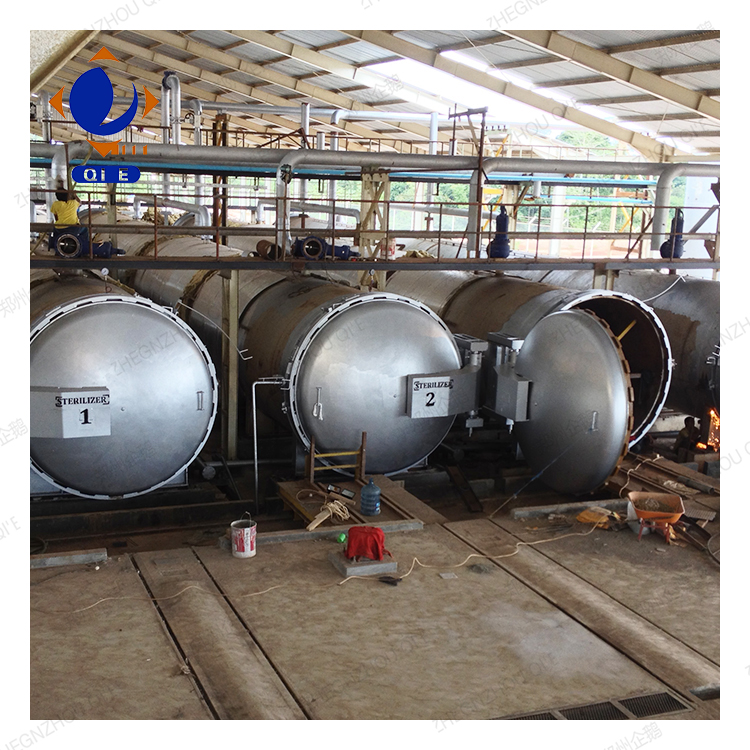
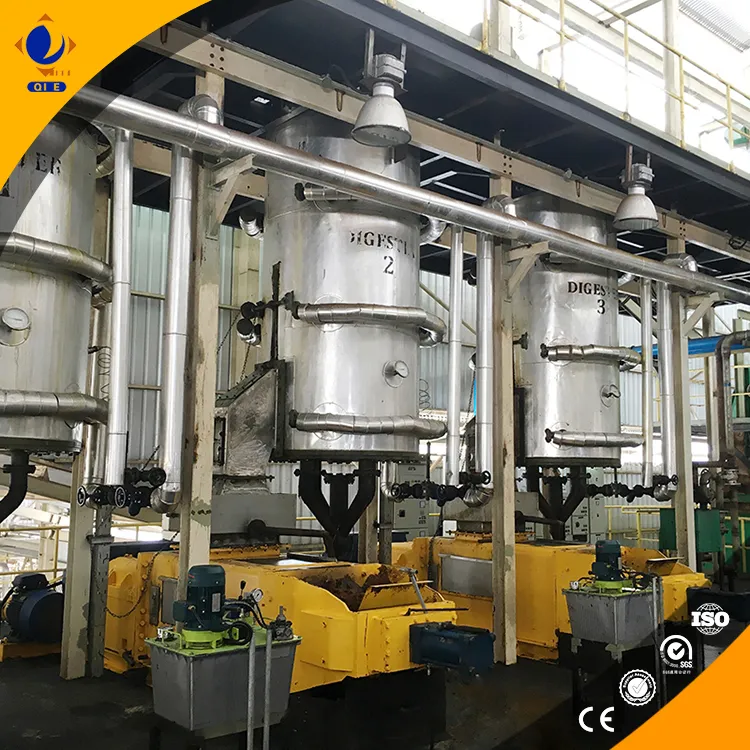
Maintenance operation on an automatic palm oil refining machine showing modular components

Case Study: Real-World Performance Analysis

Consider the recent deployment of the Penguin Group’s 1 ton/day automatic palm oil refining machine in Southeast Asia:

  • Processing Stability: Maintained above 98% uptime over 6 months.
  • Quality Improvement: Reduction of FFA from 4.5 to 0.08 mg KOH/g consistently.
  • Energy Savings: Realized 18% reduction in electricity costs compared to previous manual machinery.
  • Operator Feedback: Reported easier control and troubleshooting via the automatic interface, lowering labor training time by 40%.

This case demonstrates the tangible value of selecting well-engineered, automated equipment tailored to scale and operational demands.

Actionable Purchasing Tips for Your 1 Ton/Day Palm Oil Refining Machine

Before committing, decision-makers should:

  1. Verify processing capacity certifications and pilot test reports to confirm throughput accuracy.
  2. Request detailed automation system descriptions and sample control interface demonstrations.
  3. Evaluate the supplier’s after-sales service network and spare parts logistics.
  4. Examine energy consumption data against operational benchmarks for sustainability goals.
  5. Review user testimonials or perform on-site visits when possible.

Emphasis on these actionable checks will reduce risks and set the foundation for scalable, efficient palm oil refining operations.

Name *
Email *
WhatsApp *
Message*

Recommended Products

Related Reading

Stable Operation of Small-Scale Edible Oil Refining Equipment in High Temperature and Humidity: Energy-Saving and Anti-Corrosion Solutions

2026-03-03 | https://shmuker.oss-accelerate.aliyuncs.com/tmp/temporary/60ec5bd7f8d5a86c84ef79f2/60ec5bdcf8d5a86c84ef7a9a/20240305160636/lable.png small-scale edible oil refining equipment high temperature and humidity operation energy-saving refining process anti-corrosion design automated control system

Automated Control Technology for 10 Tons/Day Palm Kernel Oil Refining Equipment: A Practical Export Guide

2026-02-27 | https://shmuker.oss-accelerate.aliyuncs.com/tmp/temporary/60ec5bd7f8d5a86c84ef79f2/60ec5bdcf8d5a86c84ef7a9a/20240305160636/lable.png 10 tons/day palm kernel oil refining equipment automation control technology PLC control system HMI interface energy-efficient oil refining

Optimizing Degumming Process for High-Impurity Palm Oil: 3 Key Parameter Adjustments to Enhance Oil Quality

2026-04-15 | https://shmuker.oss-accelerate.aliyuncs.com/tmp/temporary/60ec5bd7f8d5a86c84ef79f2/60ec5bdcf8d5a86c84ef7a9a/20240305160636/lable.png high-impurity palm oil degumming palm oil refining optimization degumming agent dosage adjustment degumming temperature control bleaching condition optimization

Cold-Press and Hot-Press Dual Process Technology for Stable Palm Oil Quality Enhancement

2026-01-21 | https://shmuker.oss-accelerate.aliyuncs.com/tmp/temporary/60ec5bd7f8d5a86c84ef79f2/60ec5bdcf8d5a86c84ef7a9a/20240305160636/lable.png cold press palm oil hot press palm oil palm oil refining technology oil quality stability sustainable oil processing

Efficient Palm Oil Refining Equipment with Integrated Cold-Heat Press Technology for Superior Oil Quality

2026-01-25 | https://shmuker.oss-accelerate.aliyuncs.com/tmp/temporary/60ec5bd7f8d5a86c84ef79f2/60ec5bdcf8d5a86c84ef7a9a/20240305160636/lable.png palm oil refining equipment cold heat press dual process palm oil quality enhancement grain and oil processing solutions energy-saving intelligent refiner

Hot Products

Popular articles
palm11-2.jpg
H1b93419658624000a59b8ac44e40c964J.jpg
H58ea2852509a4d9f95e359a42d8c70afC.jpg
H8419363f2809471187125604672fdcedK.jpg
Hc7c50abb8f904f939ff2a915ebb0d6176.jpg
H3b51d8aa0b634e9eaa19caec8e2a19d6F.jpg
H8419363f2809471187125604672fdcedK.jpg
H9ce5ac617e614fe4a0e390311b4dab2bv.jpg
kernel5-1.jpg
palm19-3.jpg
Recommended Reading
Contact us
Contact us
https://shmuker.oss-accelerate.aliyuncs.com/tmp/temporary/60ec5bd7f8d5a86c84ef79f2/60ec5bdcf8d5a86c84ef7a9a/thumb-prev.png